Early in April the north coast of New South Wales was hit with even more rain. The Clarence River didn’t flood. However the water was now so dirty and so fresh, I thought I was never going to catch a fish again.
But the key to fishing is persistence and time. Fish a lot and you will catch more fish. Don’t like the wind and swell, just wait, it will turn around. The continued wild weather made the headlands too tricky to fish for most of the month. From experience I know that the river can never be too dirty for jewfish/ mulloway so this focus kept me venturing out.

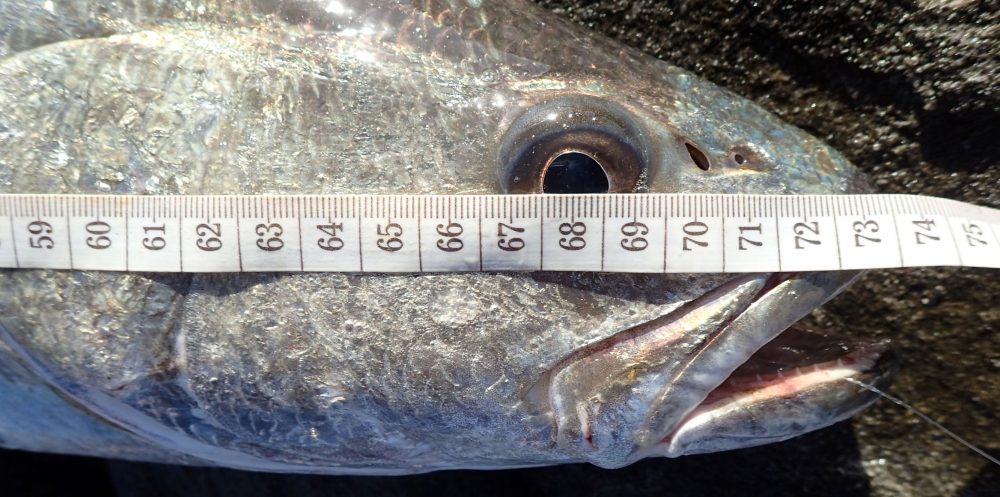
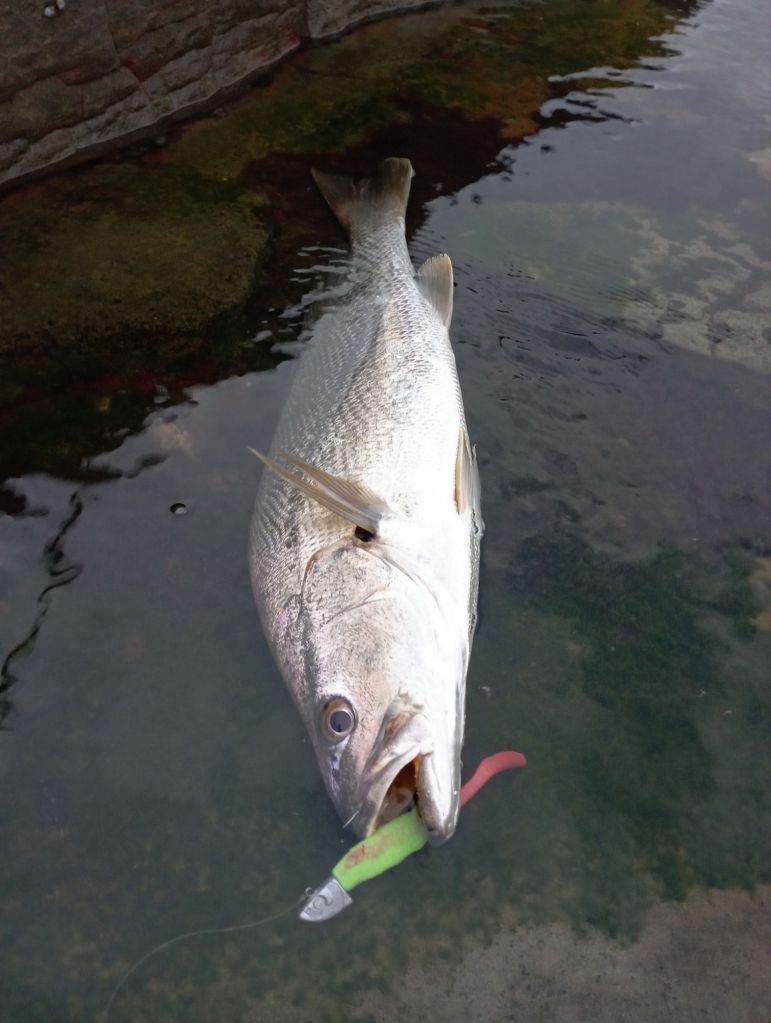
I went fishing for jewfish with my light spinning gear and soft plastic lures, often fishing the top of the incoming tide when the water would be cleanest. I caught a fair number of small jewfish and a couple just over the 70 cm legal size limit. But I was surprised that I kept catching flathead. They were generally solid fish, with many up around the 60 cm mark. It appeared that the constant flow of freshwater had washed them and their prey down toward the river mouth.
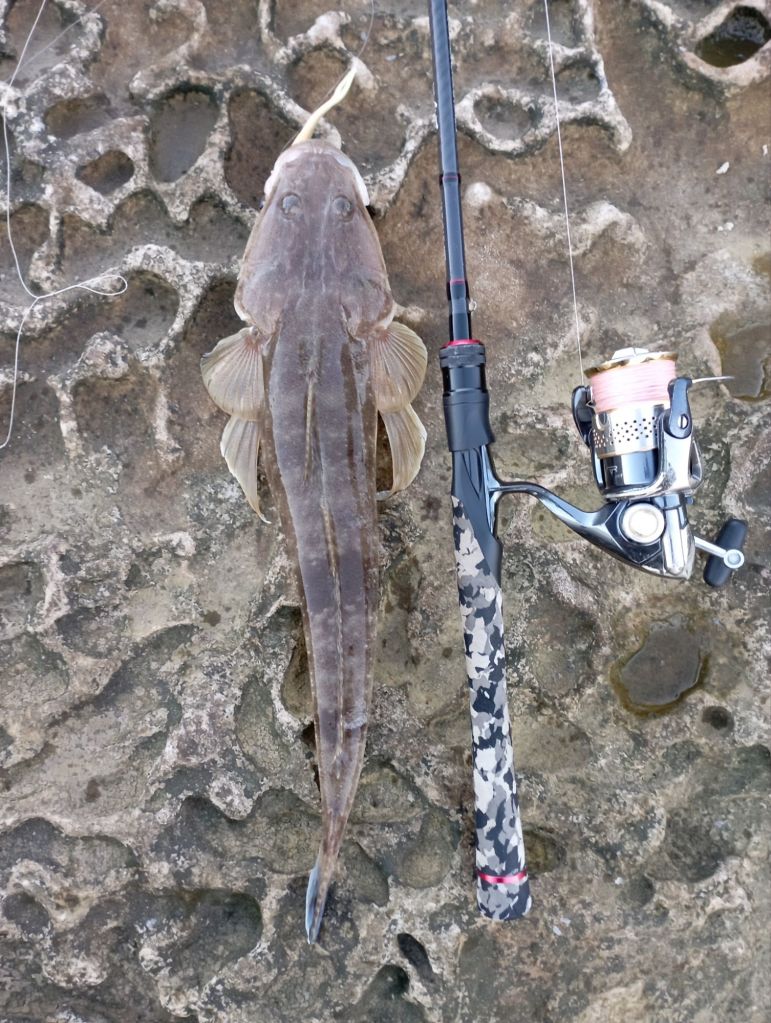
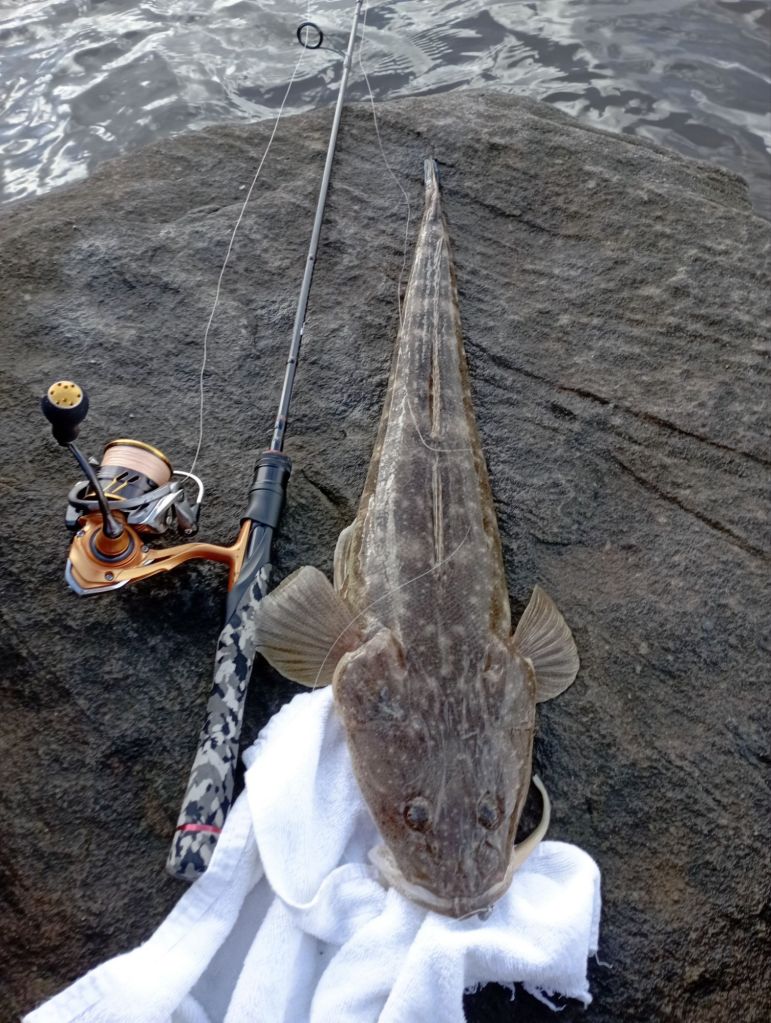
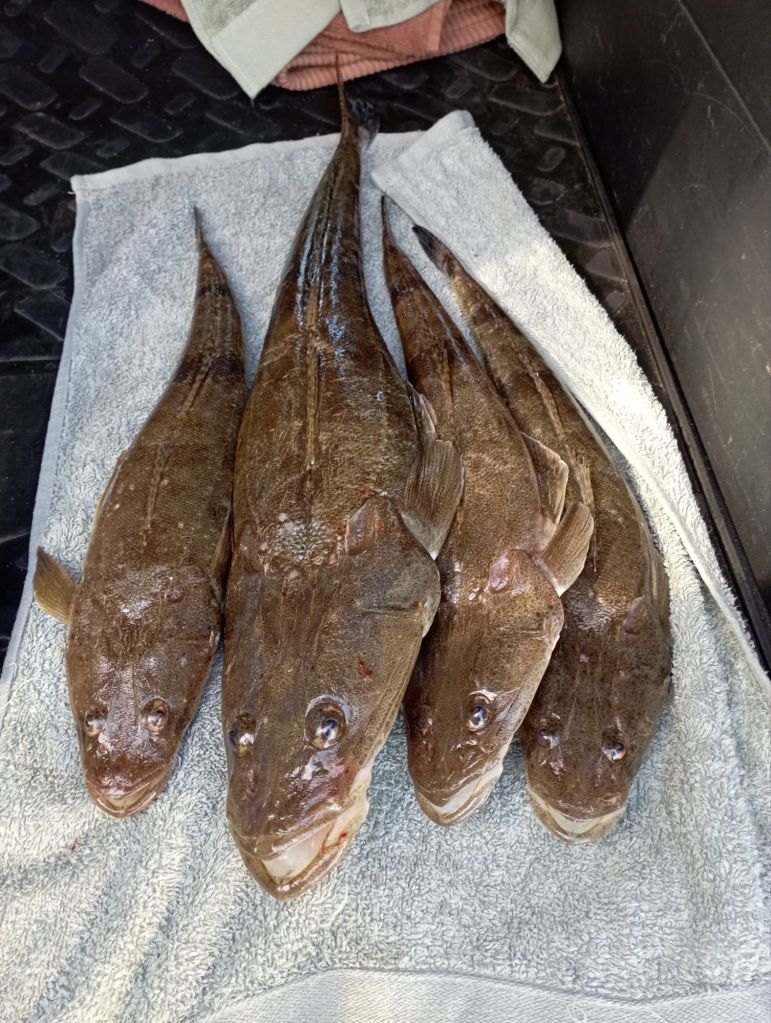
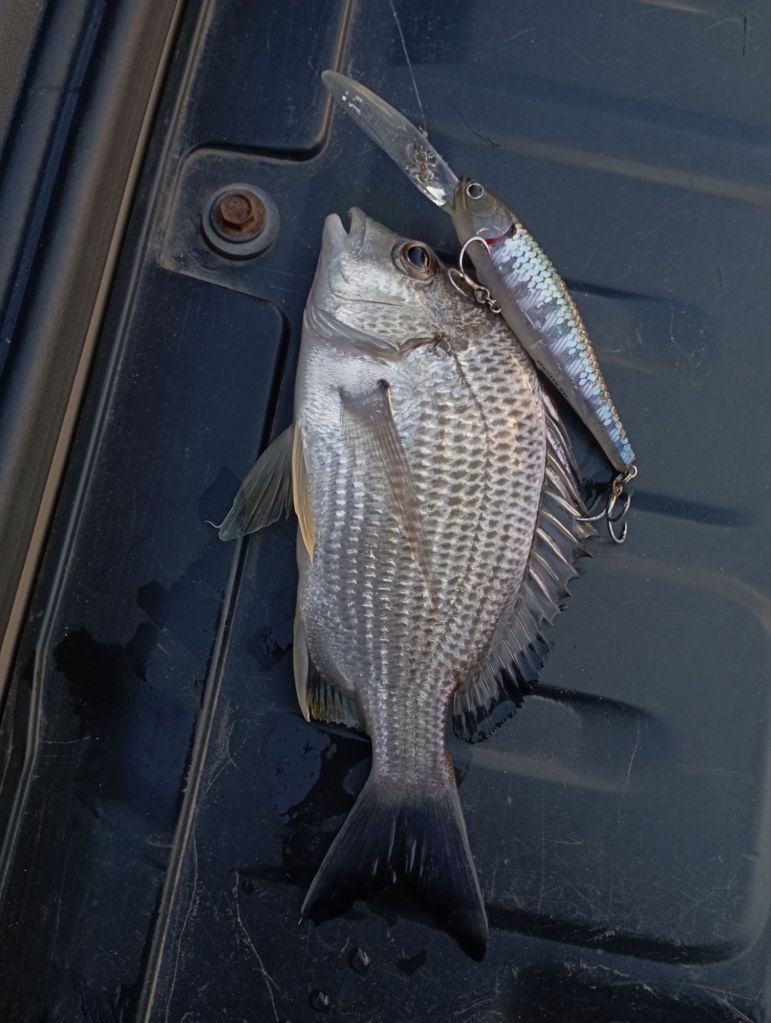
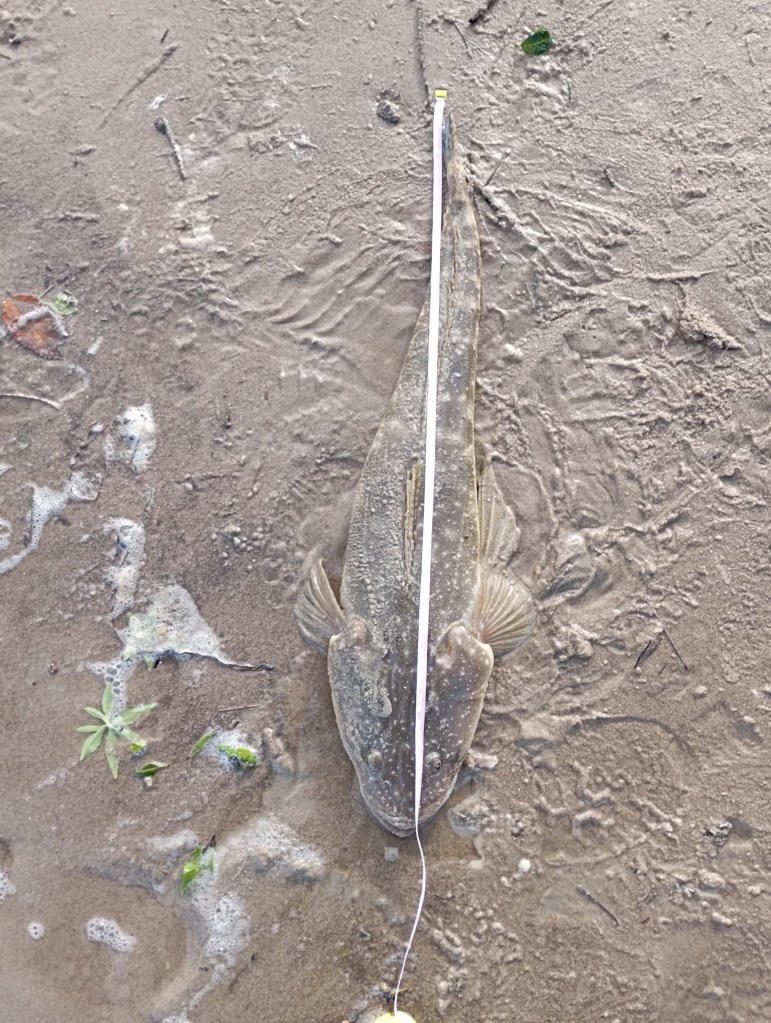
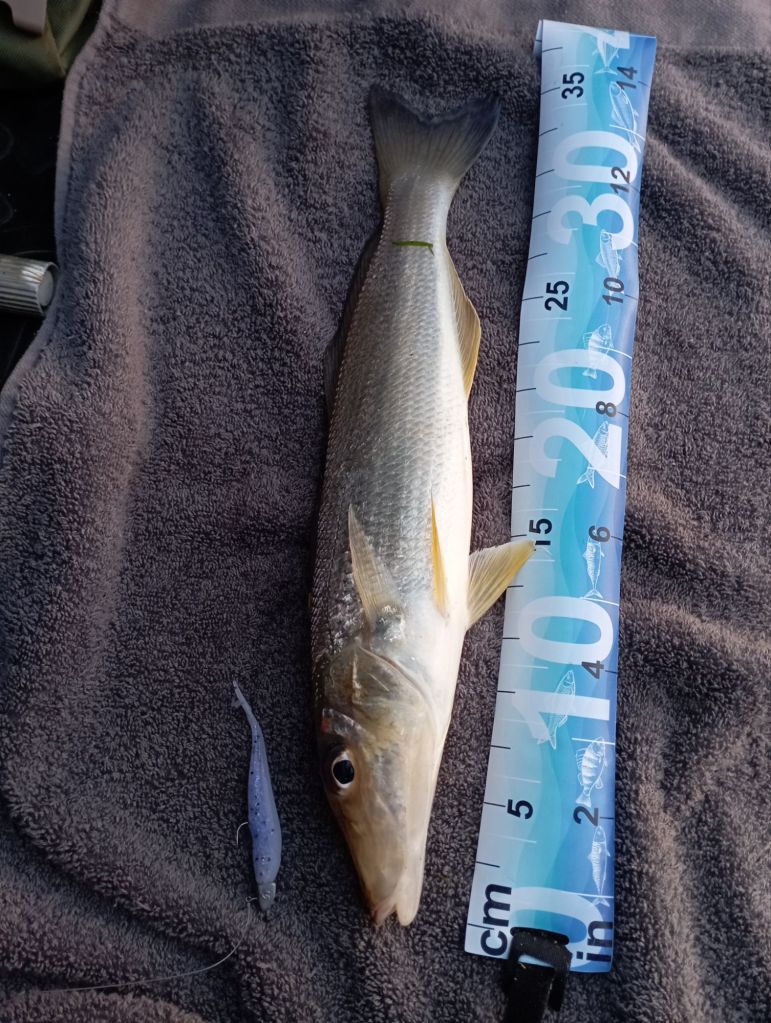
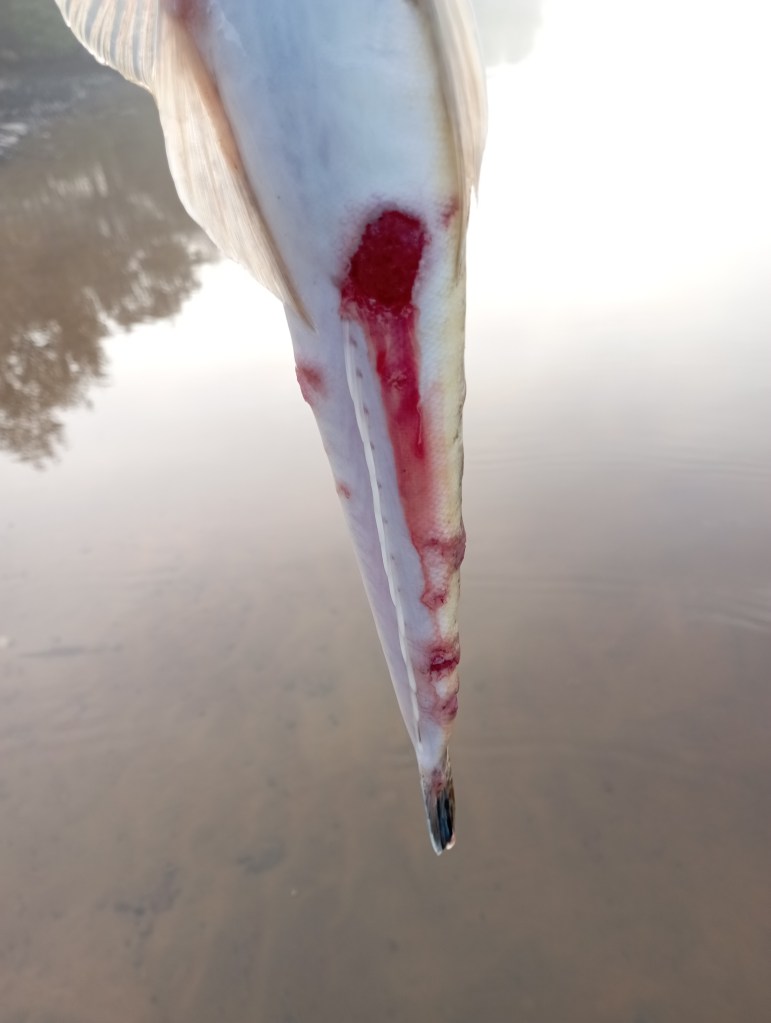
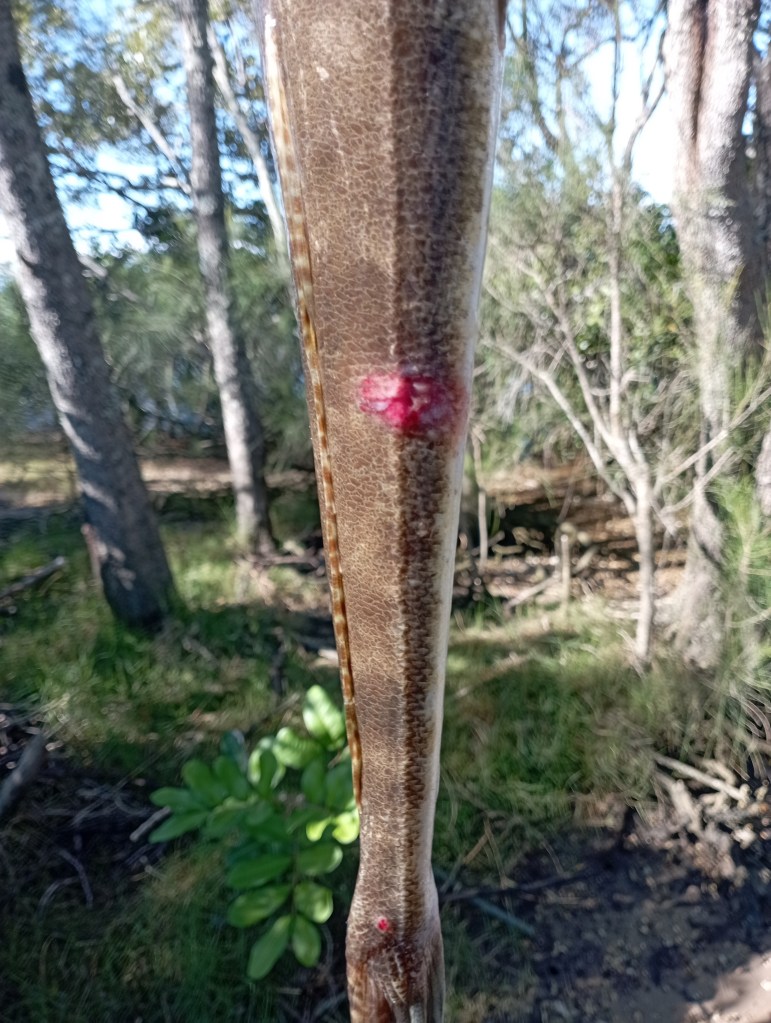
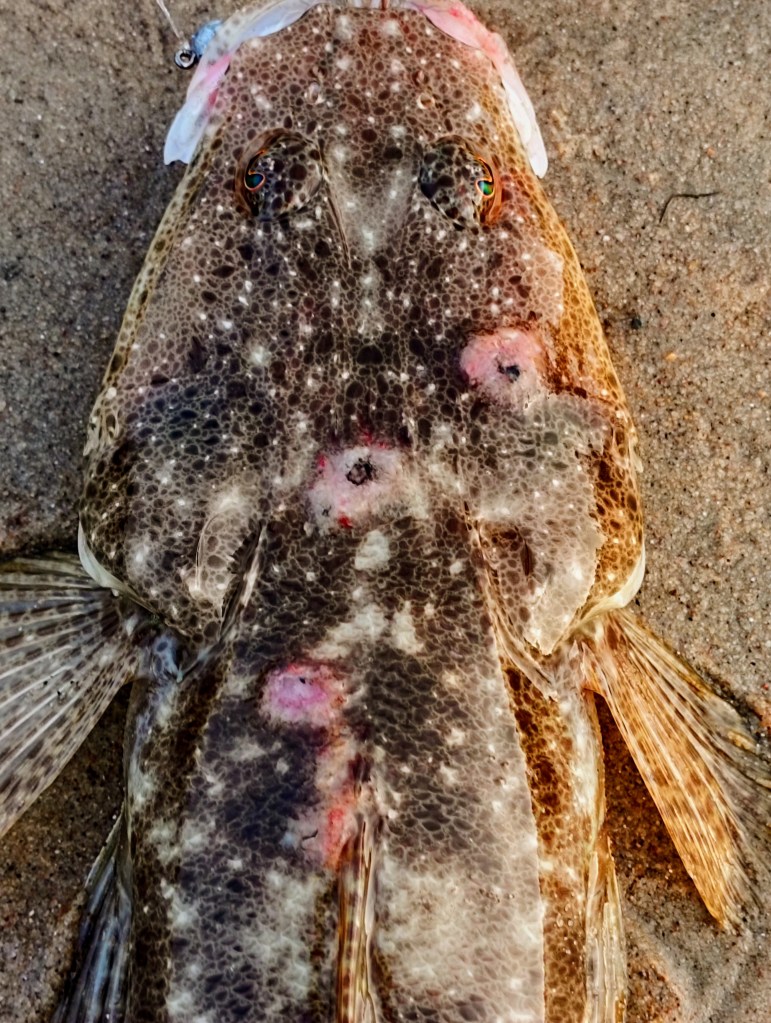
I also caught plenty of bream and a few good sized whiting in the dirty water. However as the dirty freshwater continued to flow down to the mouth, many of the fish had lesions or sores on them. I presume this is because the ph of the water and its purity changes dramatically and the scratches, which they pick up all the time, start to get infected. The sores often appear on the bream after heavy and continued rain but this is the first time I have witnessed them in the flathead population. Leave a comment if you know why this happens.

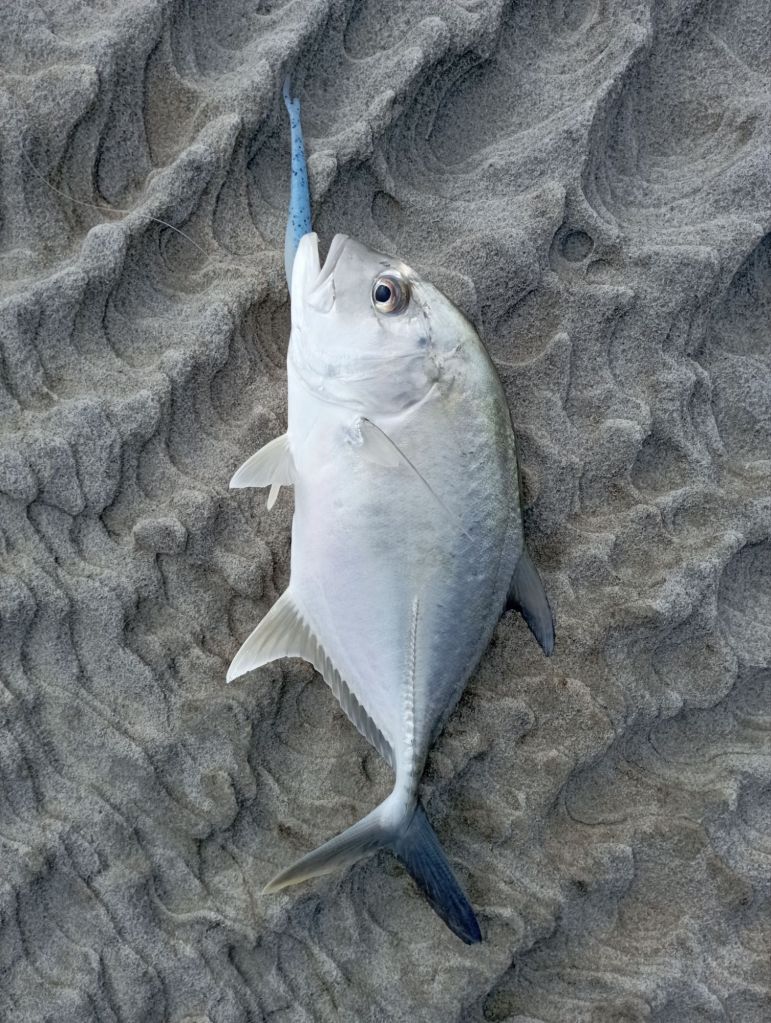
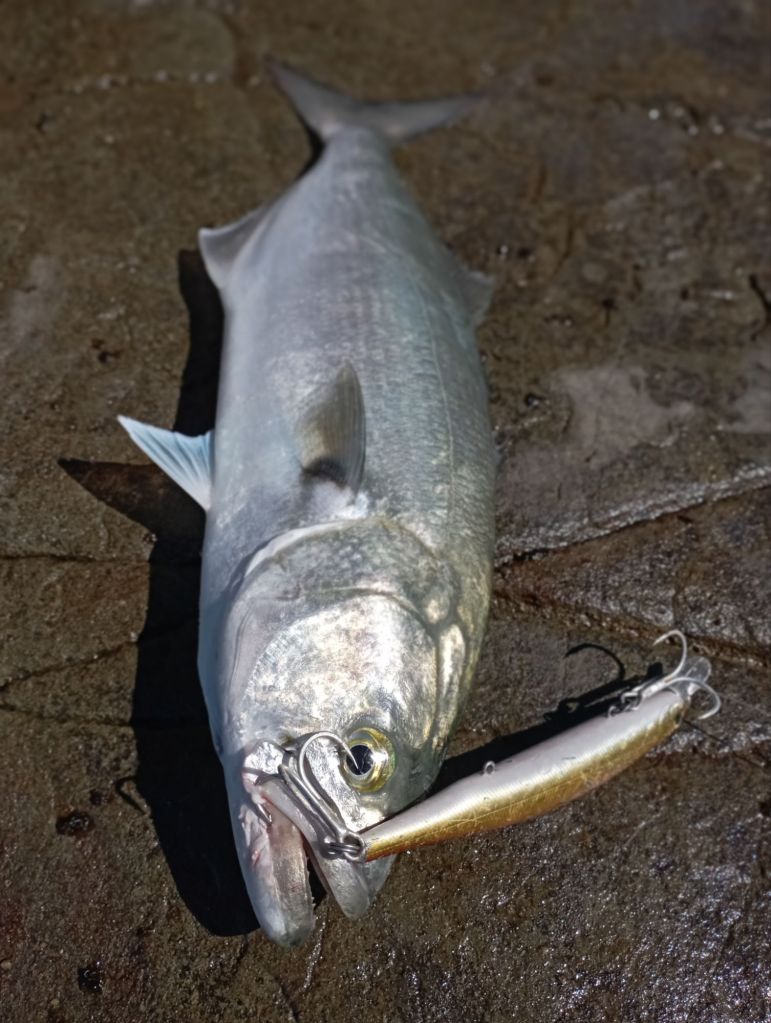
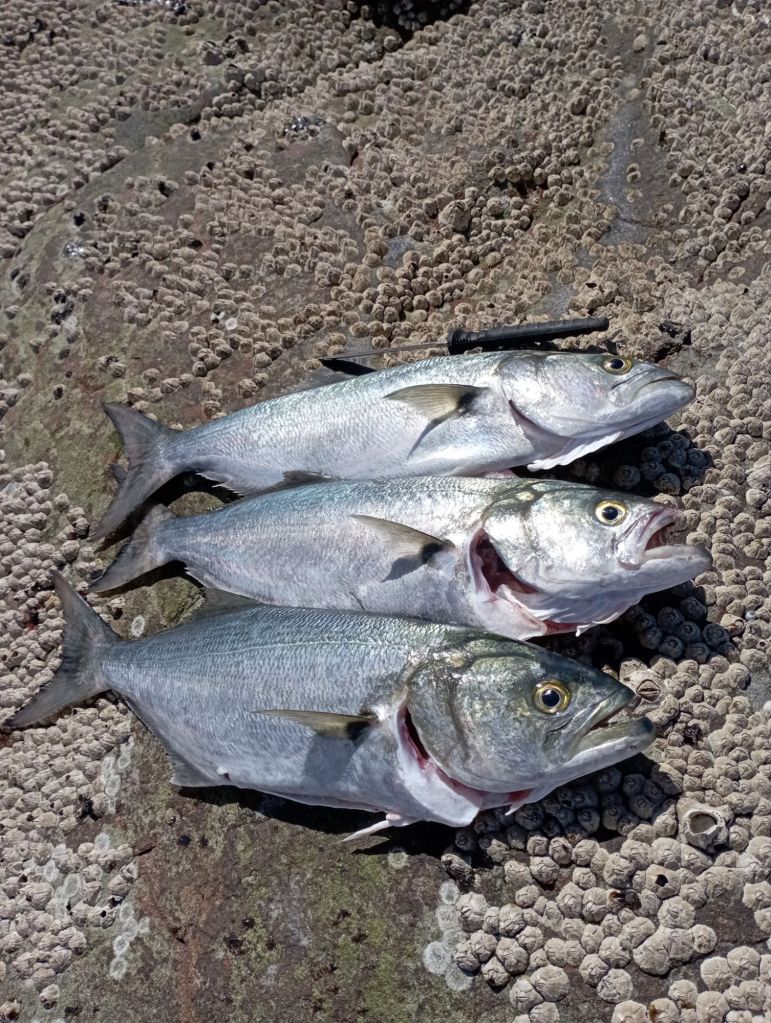
On the few days that I was able to fish on the headlands I caught jewfish, tailor and trevally. There was plenty of bait around but the persistent high seas made safe fishing difficult.
 Landangler's Blog