Iluka – The Clarence River and the Bundjalung Headlands – April 2025

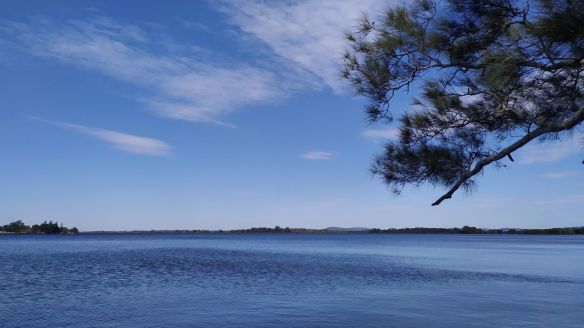
Early in April the north coast of New South Wales was hit with even more rain. The Clarence River didn’t flood. However the water was now so dirty and so fresh, I thought I was never going to catch a fish again.

But the key to fishing is persistence and time. Fish a lot and you will catch more fish. Don’t like the wind and swell, just wait, it will turn around. The continued wild weather made the headlands too tricky to fish for most of the month. From experience I know that the river can never be too dirty for jewfish/ mulloway so this focus kept me venturing out.

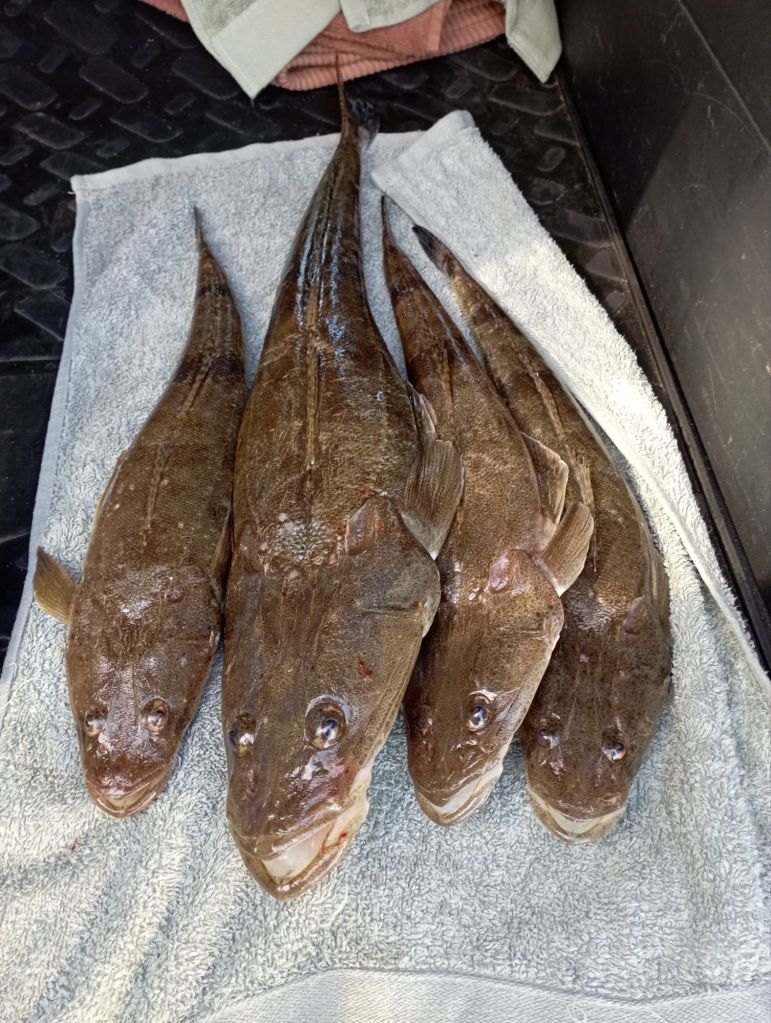
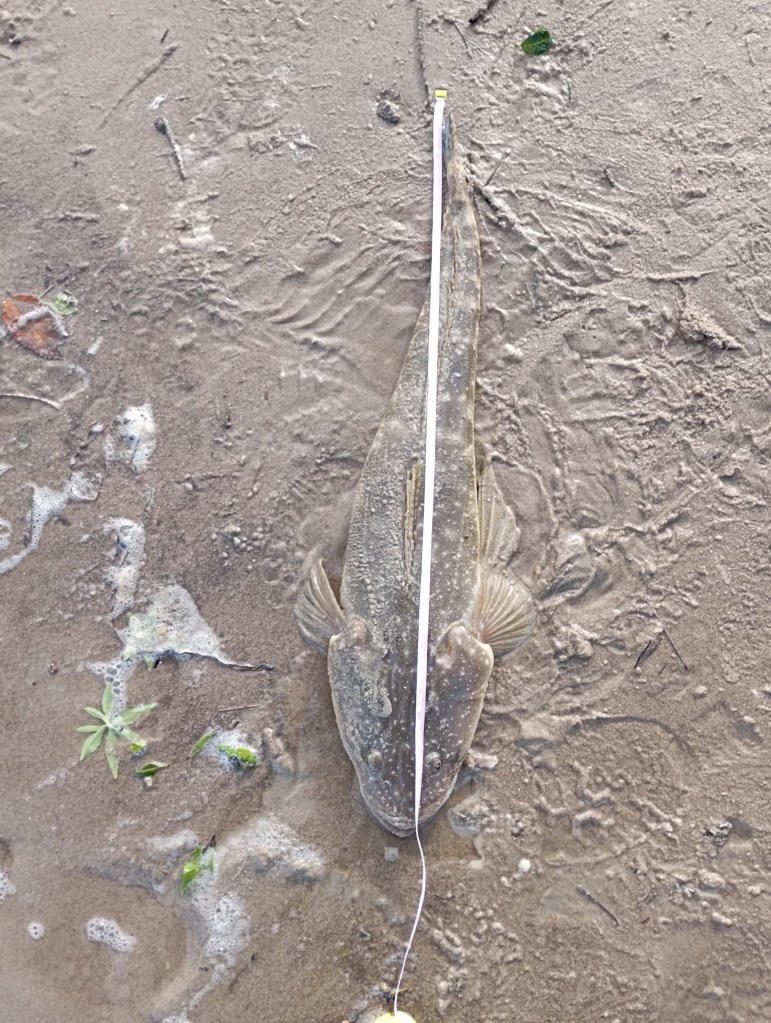
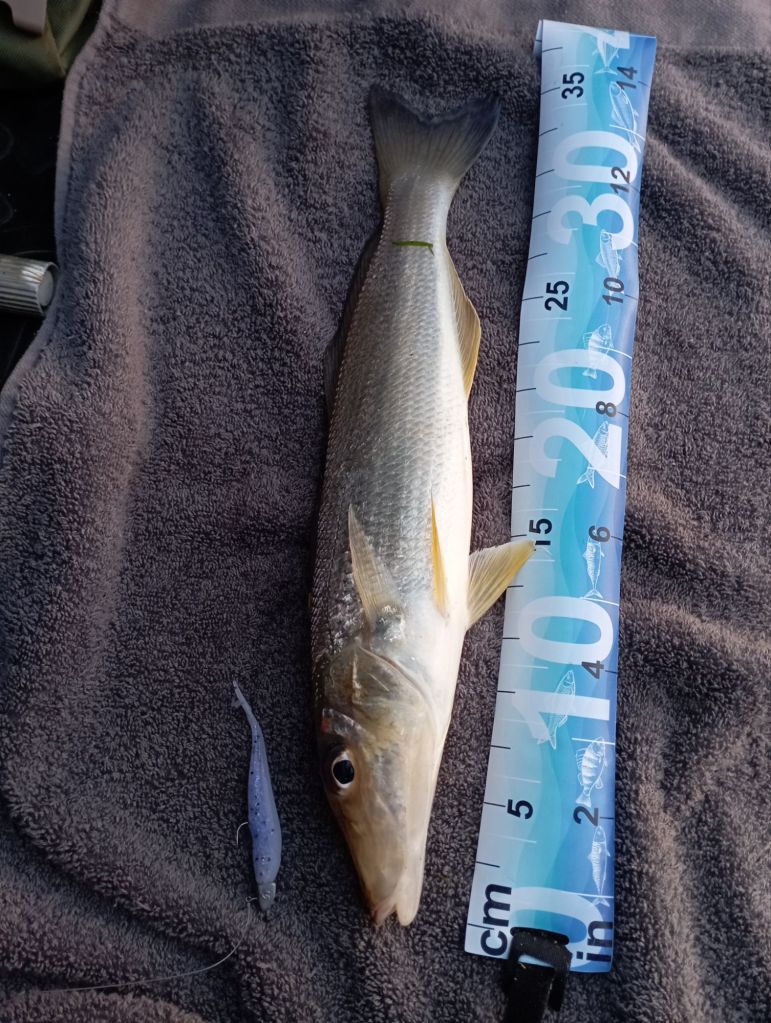
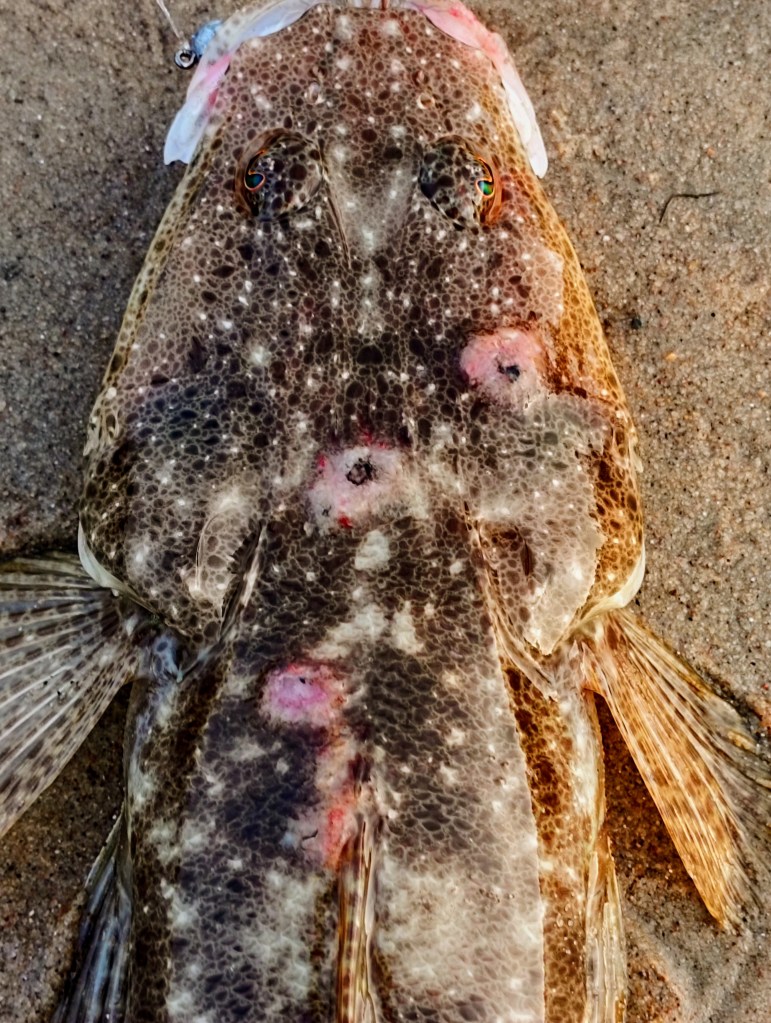
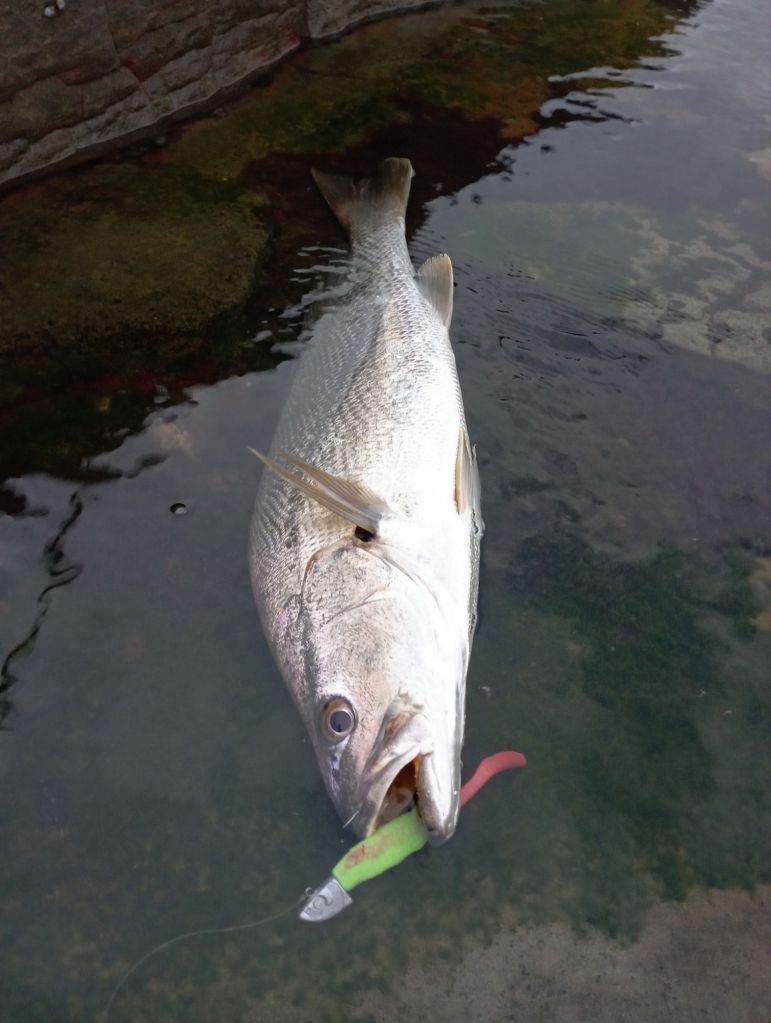
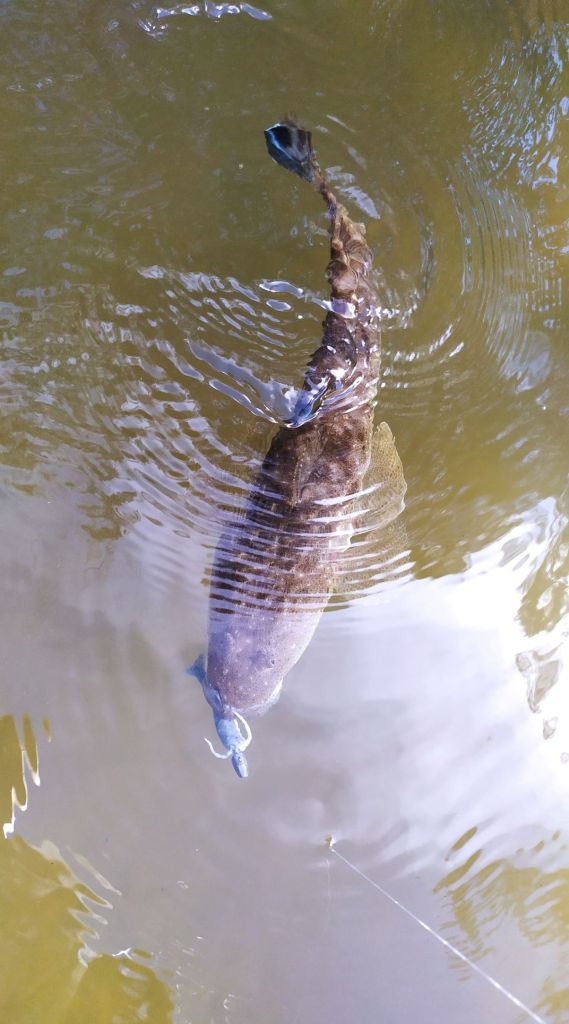
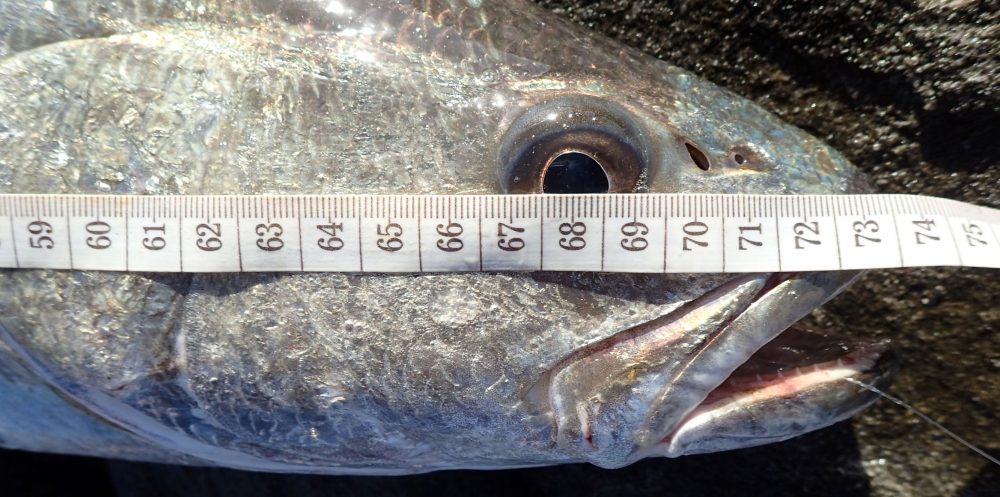
I went fishing for jewfish with my light spinning gear and soft plastic lures, often fishing the top of the incoming  tide when the water would be cleanest. I caught a fair number of small jewfish and a couple just over the 70 cm legal size limit. But I was surprised that I kept catching flathead. They were generally solid fish, with many up around the 60 cm mark. It appeared that the constant flow of freshwater had washed them and their prey down toward the river mouth.
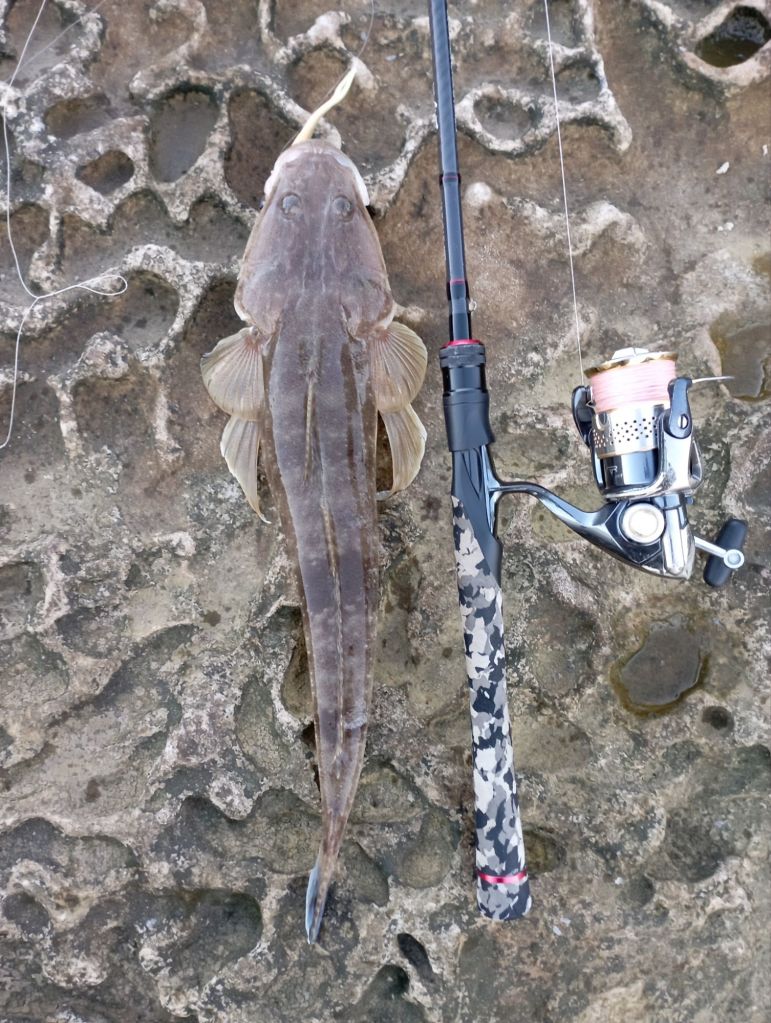
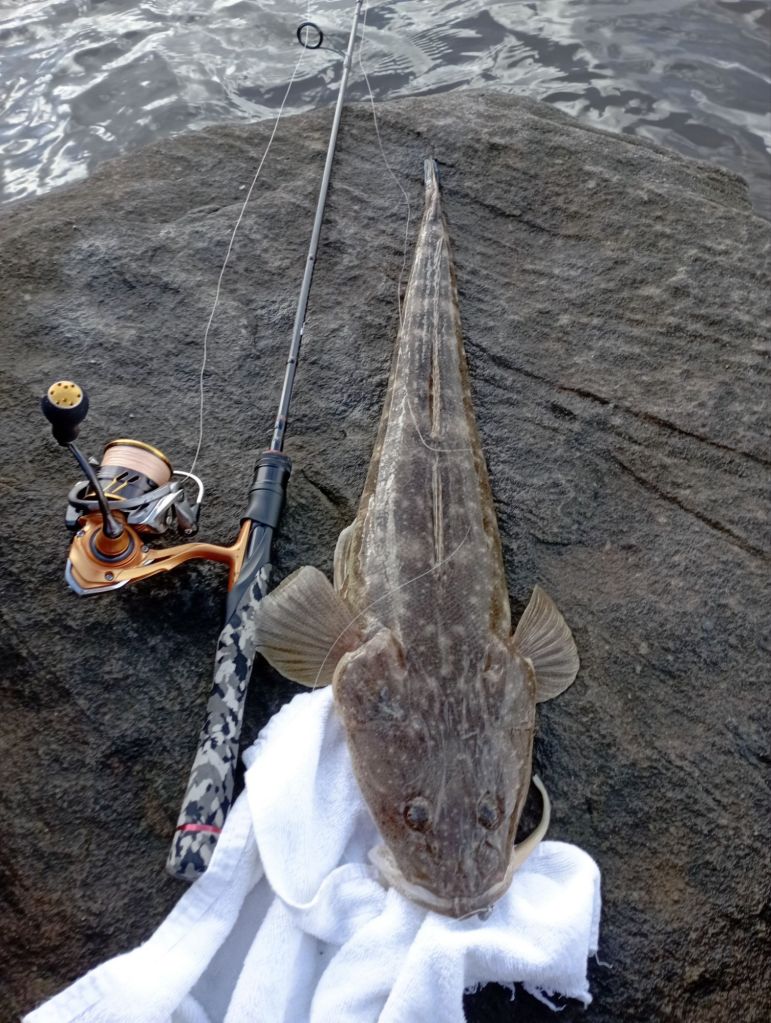
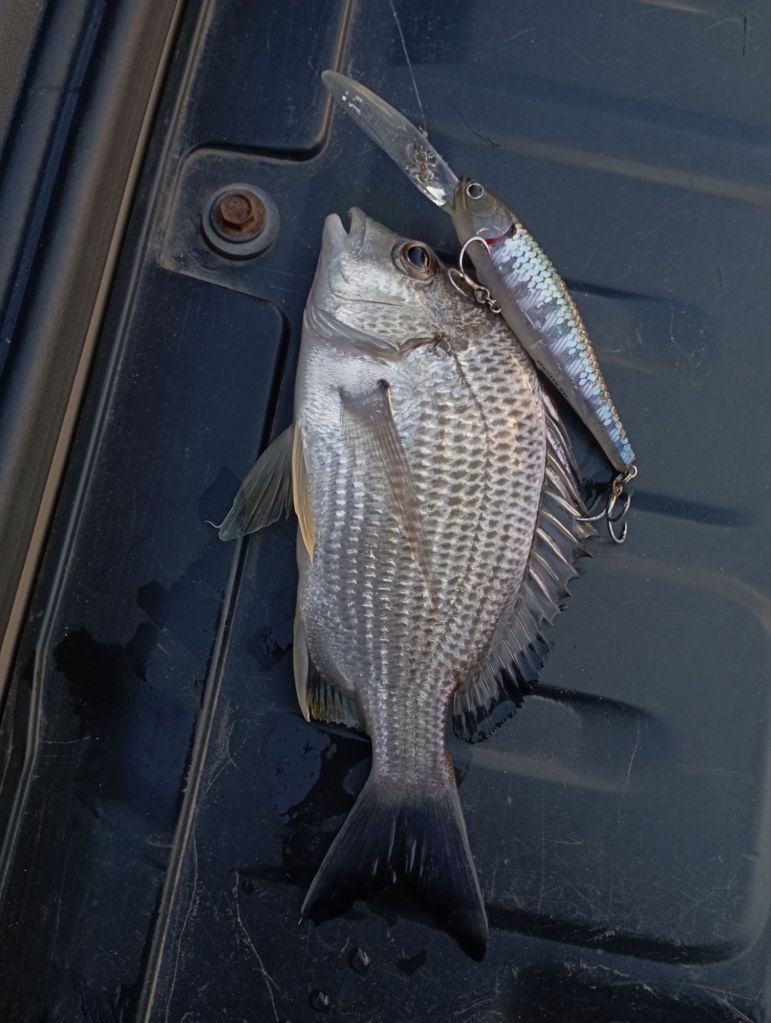
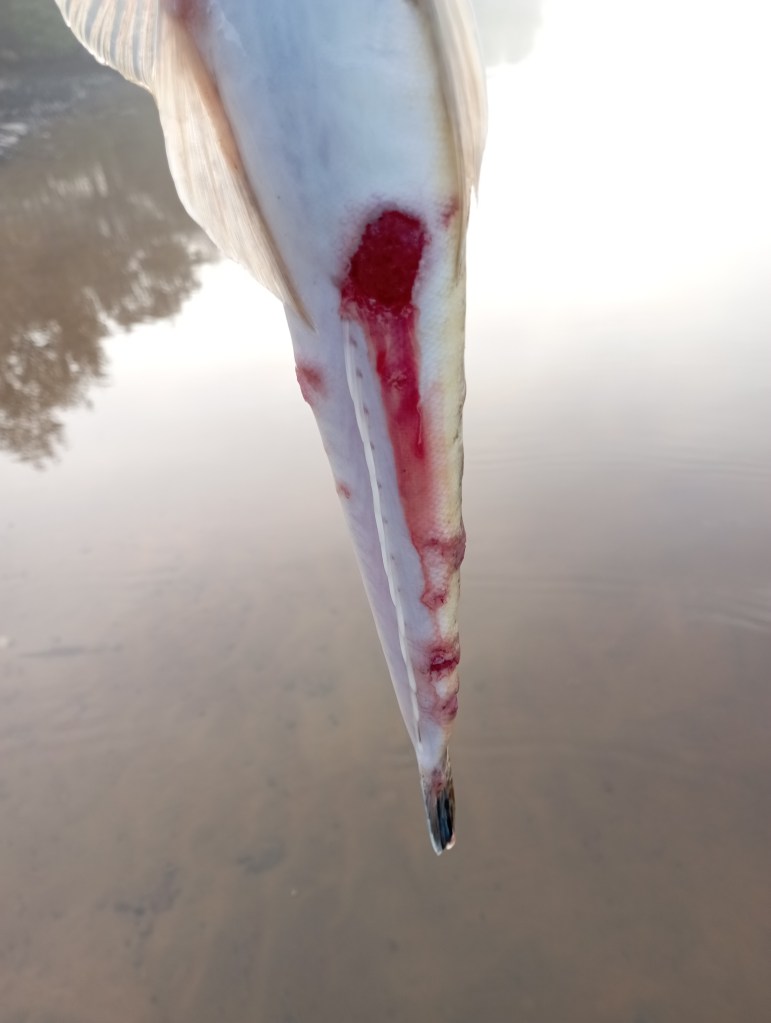
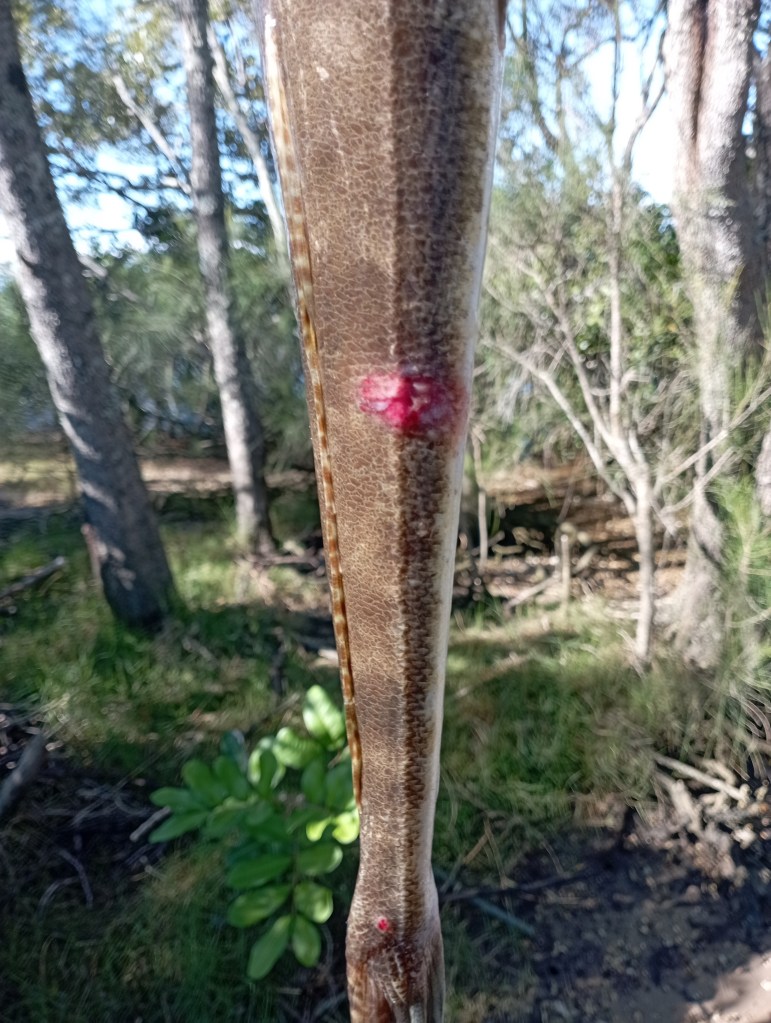
I also caught plenty of bream and a few good sized whiting in the dirty water. However as the dirty freshwater continued to flow down to the mouth, many of the fish had lesions or sores on them. I presume this is because the ph of the water and its purity changes dramatically and the scratches, which they pick up all the time, start to get infected. The sores often appear on the bream after heavy and continued rain but this is the first time I have witnessed them in the flathead population. Leave a comment if you know why this happens.
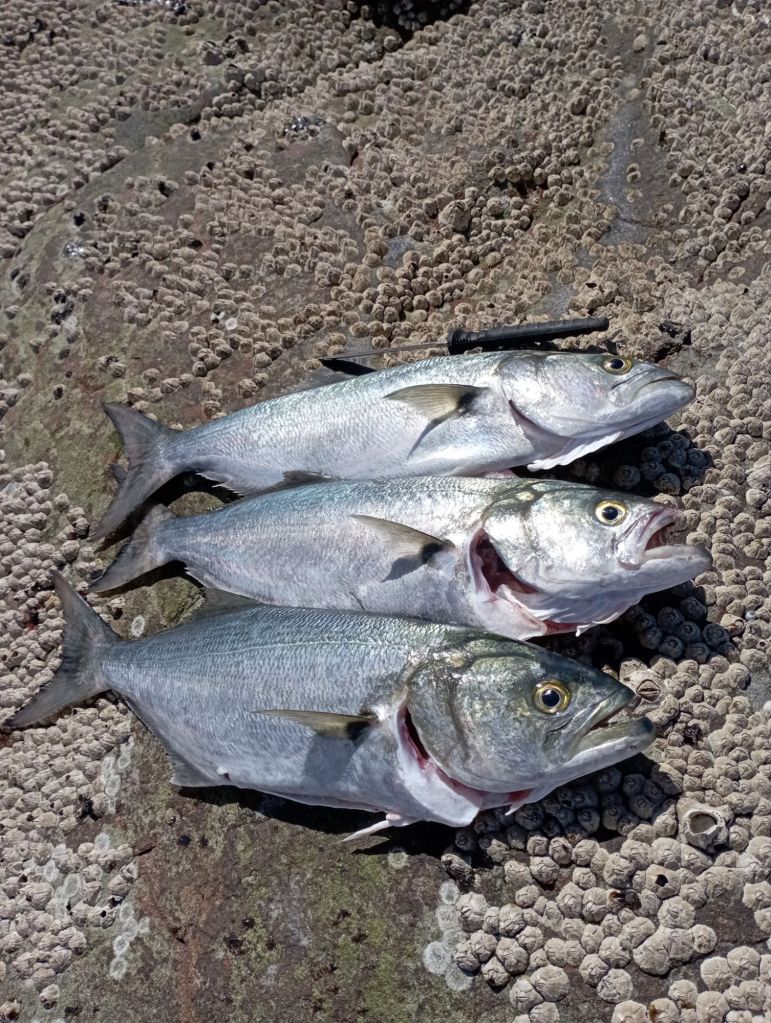
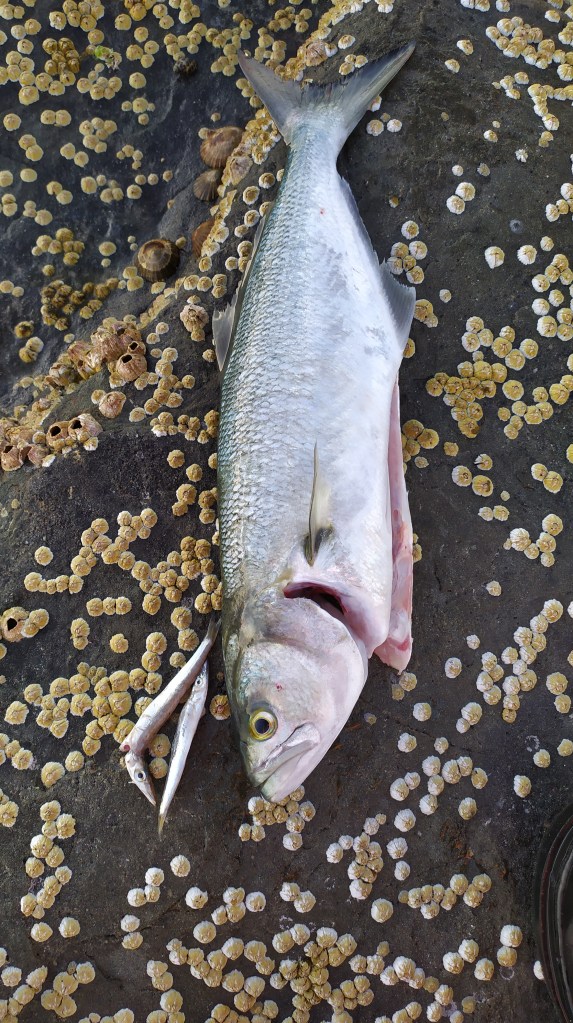
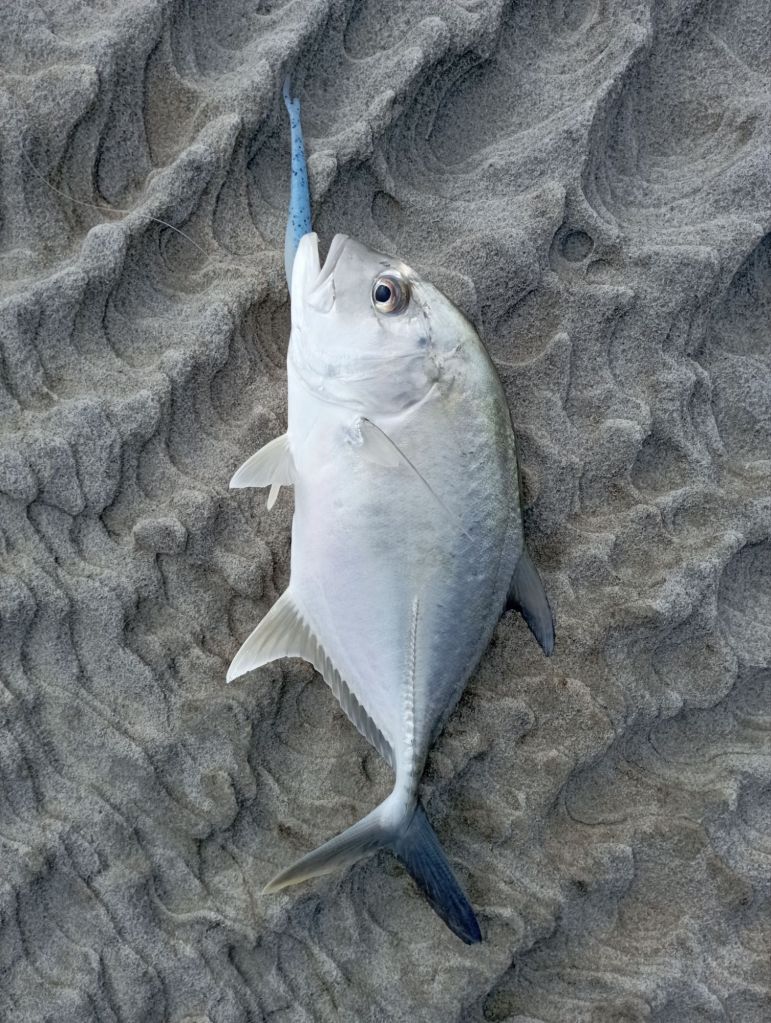
On the few days that I was able to fish on the headlands I caught jewfish, tailor and trevally. There was plenty of bait around but the persistent high seas made safe fishing difficult.
Iluka – Woody Head – 10th to 14th September 2021

We had some great weather in the middle of September. Bright, clear days but the big swell was pretty persistent. On the few days that it was calm enough, I fished the rocky headlands at Iluka Bluff and Woody Head. The 20th of September is known as the first day of spring in the southern hemisphere and everything in nature is hungry, including the fish. The new moon had arrived on the 7th of September.

I was focusing on finding the mulloway/jewfish and so I needed fairly calm seas. Most of my jewfish catches have been at the base of the rocks. These schooling fish like to shelter close to the base of the rocks or under the overhangs of the rock ledges. This month was no exception and when the swell calmed down for a few days in the middle of the month, I caught a couple of fish over the 75cm mark and lost a couple more. I found the beginning of the run in tide was the best time to fish for them. The GULP Crazylegs soft plastic in the Lime Tiger colour worked best.

I had lost fish as I was trying to bring them up and over the rock ledges. My braid just kept snapping. On close inspection I found a nick in the rod tip but only after losing a couple of expensive stickbaits, with tailor attached. I had to swap down to the Daiwa Crossfire CFS1062 light rock fishing rod. It was quite a battle on the lighter rod but the swell helped me get a decent jewfish to a point where I could safely grab it.

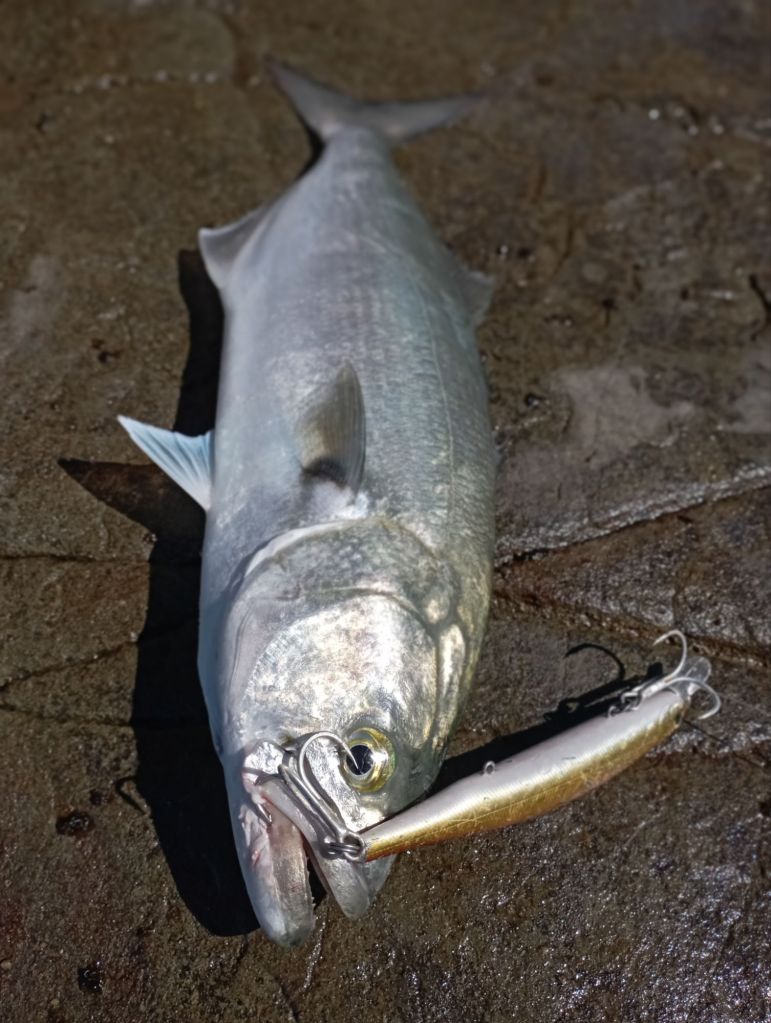
In between hunting mulloway/jewfish I used my current favourite sinking stickbait to spin for some tailor. It is the ASWB FD40 Flutter Drop. It is 40g, casts like a bullet and has a great tight action. The tailor and trevally can’t resist, if they are nearby. I caught a couple of solid 45cm tailor on it. One of the tailor looked like something tried to eat it on the way in.

ASWB FD40 – Great for tailor and trevally

Meanwhile the smaller tailor were active in the river. Particularly just after dawn and at dusk. The birds would let you know where they were and I caught small tailor using small slugs, soft plastics and hard bodies. I was even surprised to pull a decent (55cm) flathead in from beneath a school – on a 40g metal slug. The flathead were also pretty plentiful up and down the banks of the Clarence River from Browns Rocks down to the river mouth.