The sea surface temperature was again slightly warmer than average in July. It hovered between 20° c to 21° c. Monthly recorded rainfall at Yamba was about average at 100 millimeters.
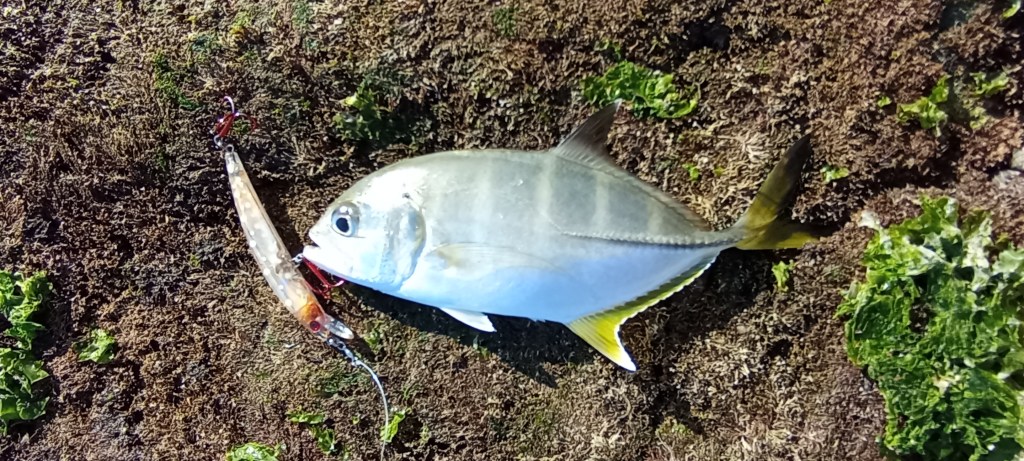
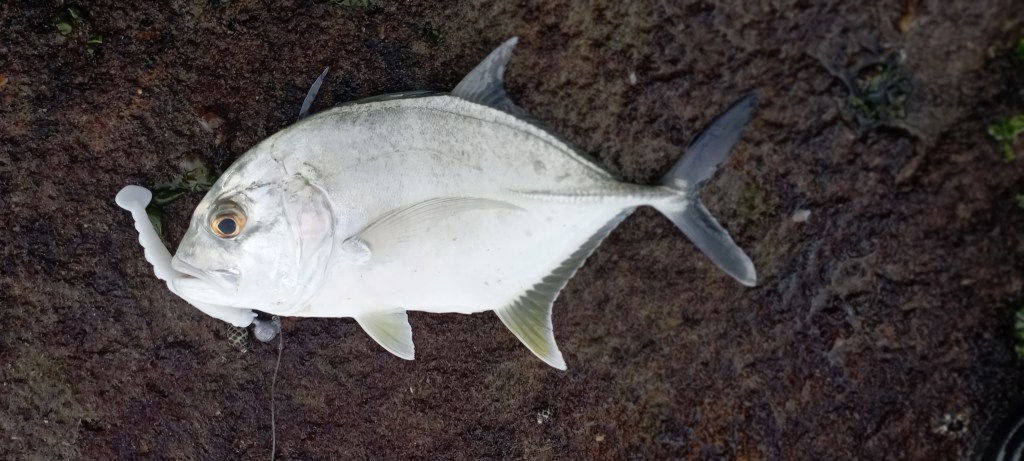
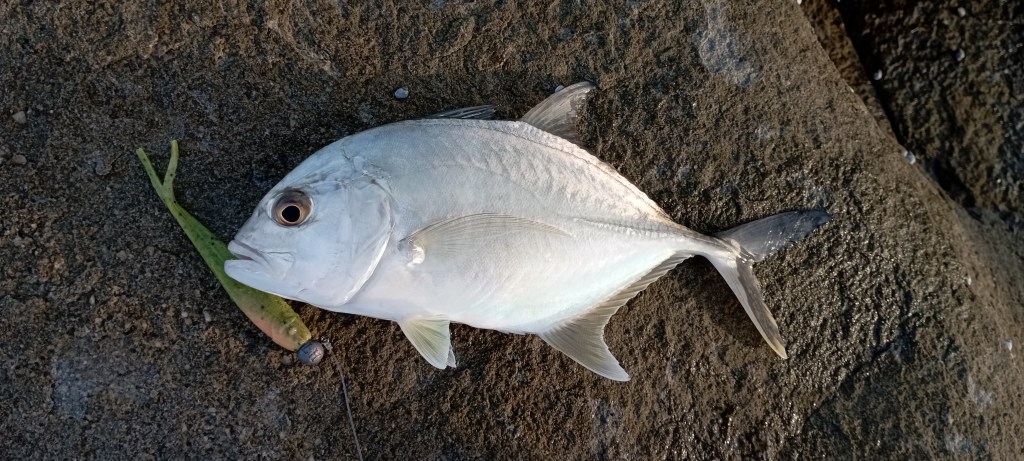
Out on the headlands I had a couple of good sessions with the trevally. They were much smaller than those I had caught in June. I am usually alerted to their presence by a wallop on my soft plastic when I’m looking for a jewfish. They seemed to fire up whenever a north westerly wind was blowing.
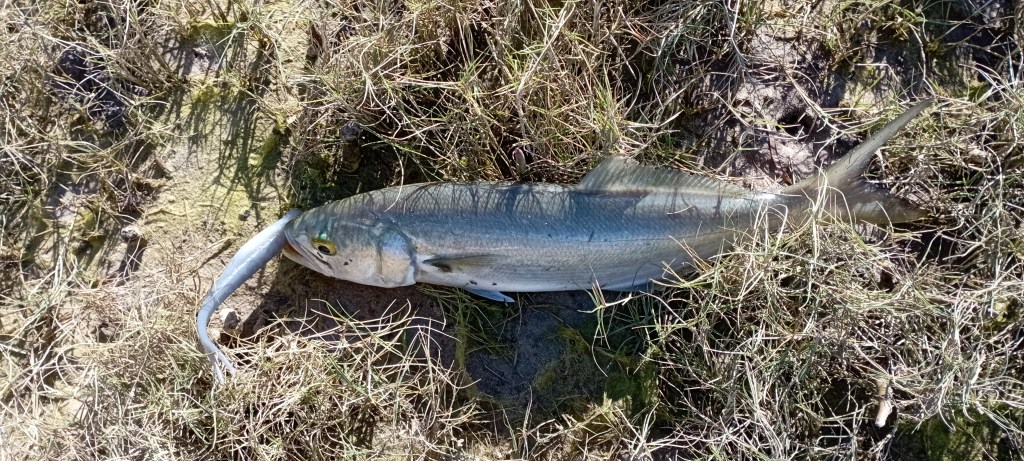
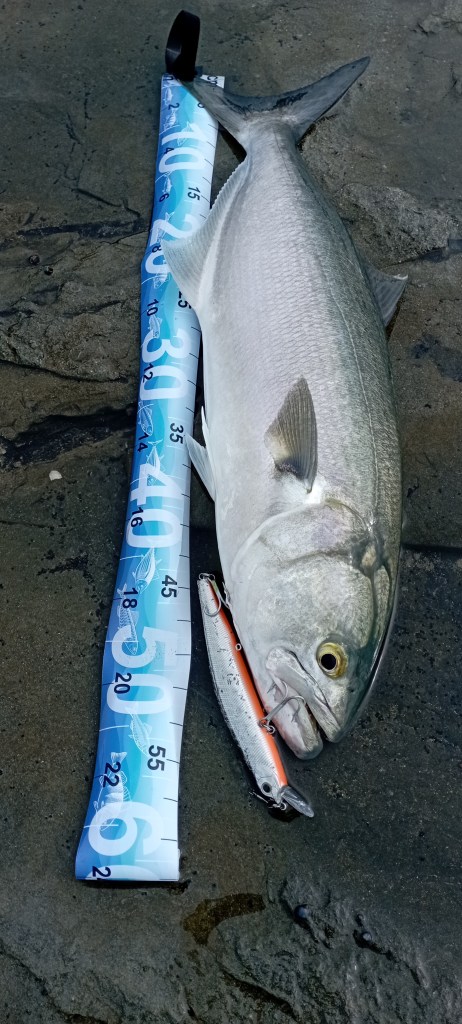
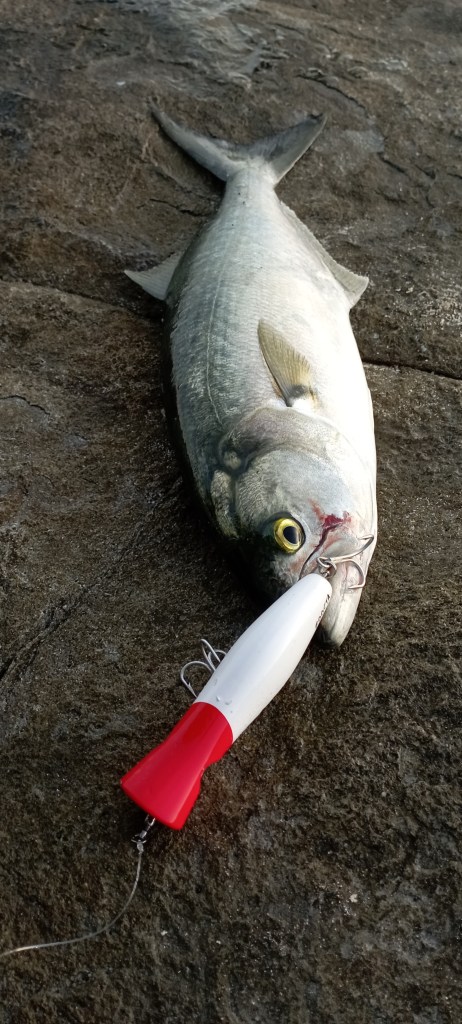
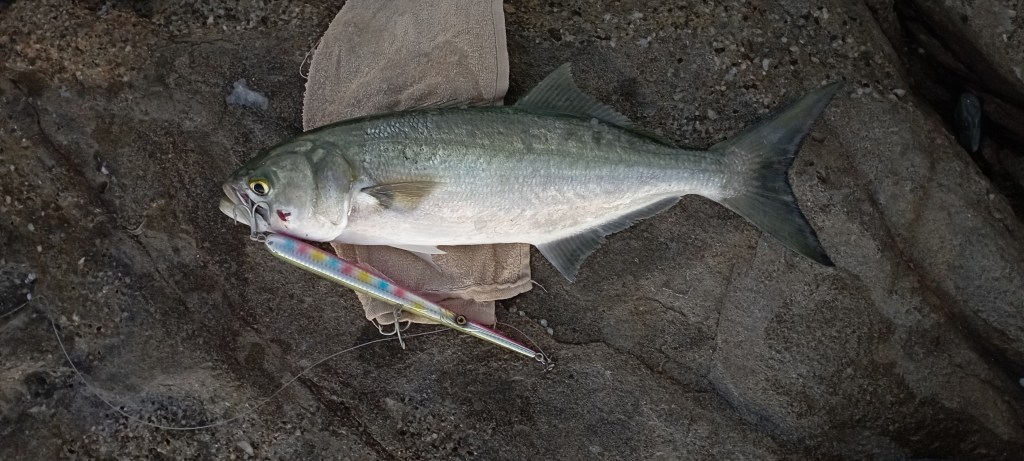
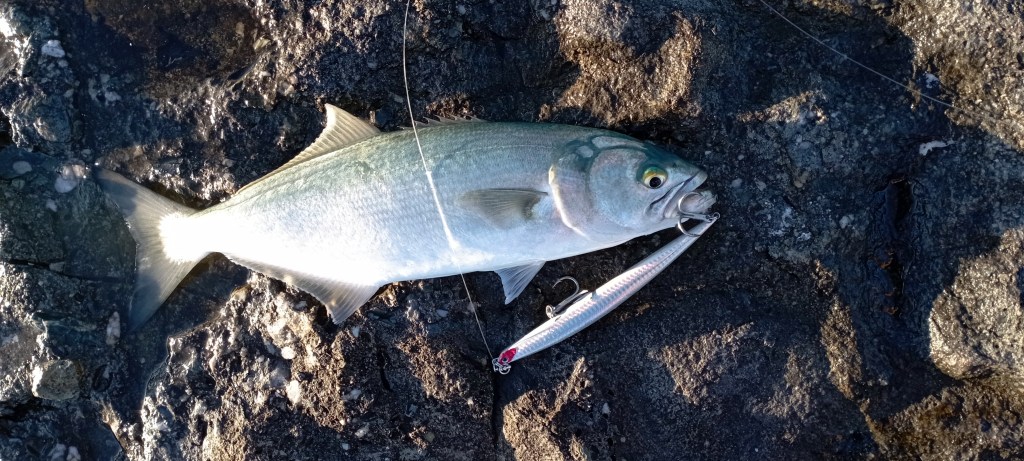
The tailor were hanging around off all the headlands. The north westerly winds make fishing out on the ledges much more comfortable. The wind is behind you and it flattens the swell, so that you can put in some long casts. I didn’t catch any huge tailor but most were between 45cm and 55cm long. I did well fishing for them at dawn and dusk but they also came alive a few times on the bottom of the run out tide.
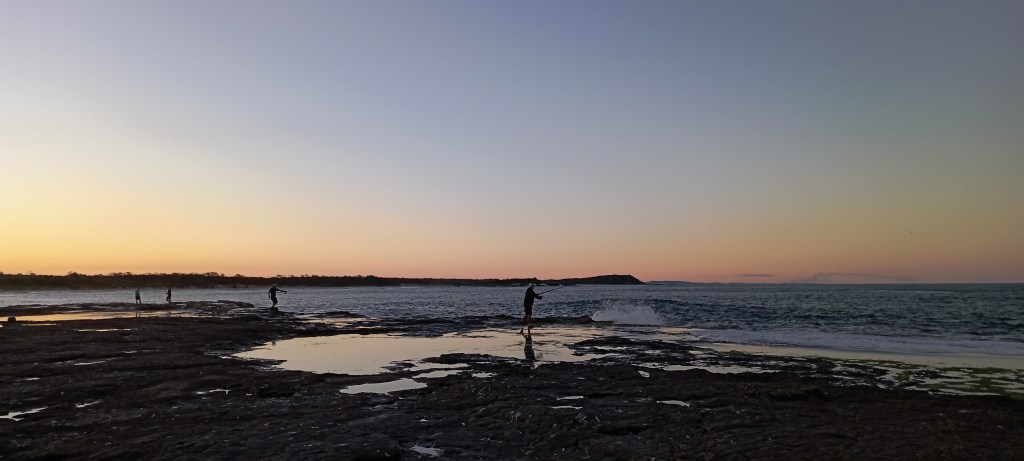
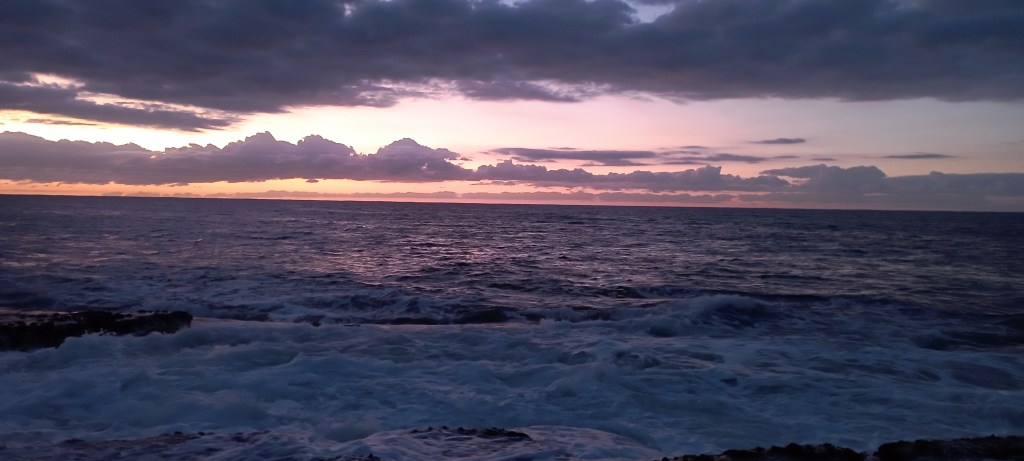
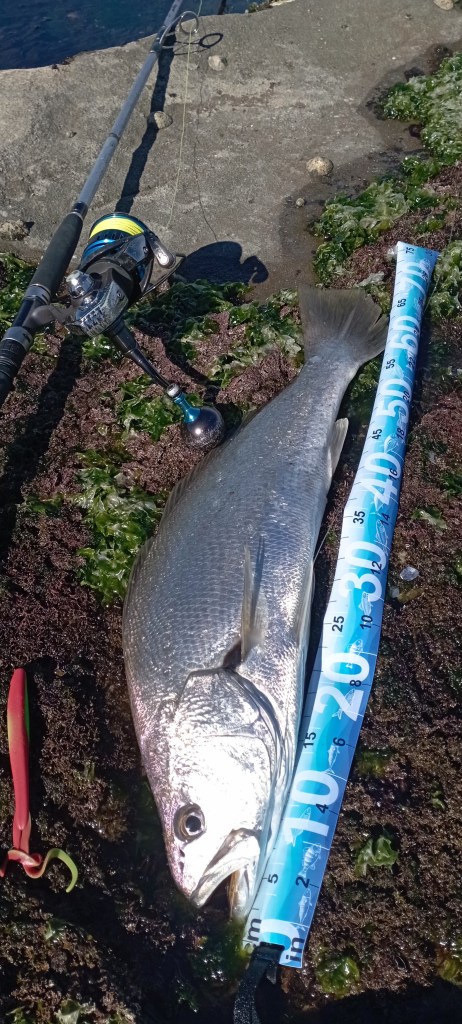
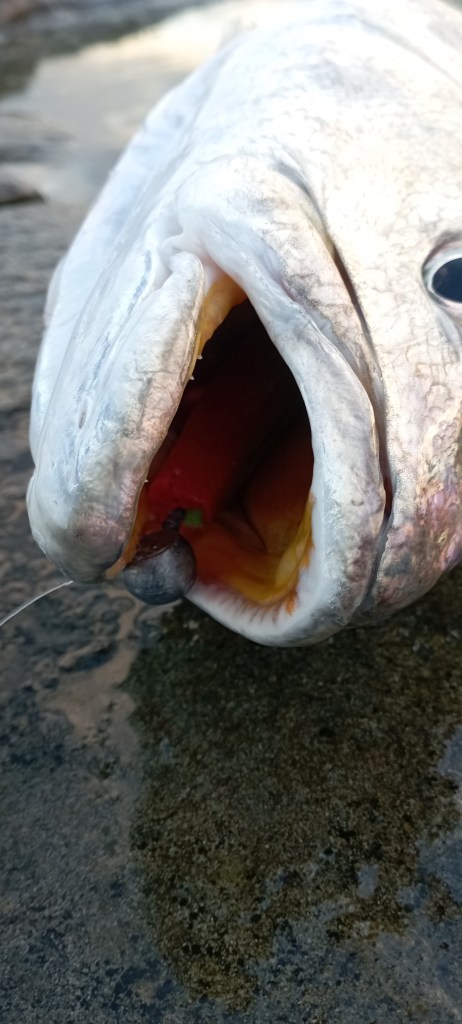
When the swell allowed I found plenty of jewfish/ mulloway in their usually hiding spots. These fish love the submerged caves, overhangs and ledges that are dotted all around the headlands of the Bundjalung National Park. There were plenty of juvenile fish around , between 50 cm and 80 cm. I hooked bigger fish that I could not subdue and land, a few times through the month. It’s always difficulty to know what has busted you off in the half light before dawn. I suspect the key suspects are bigger GTs and snapper, at this time if year.
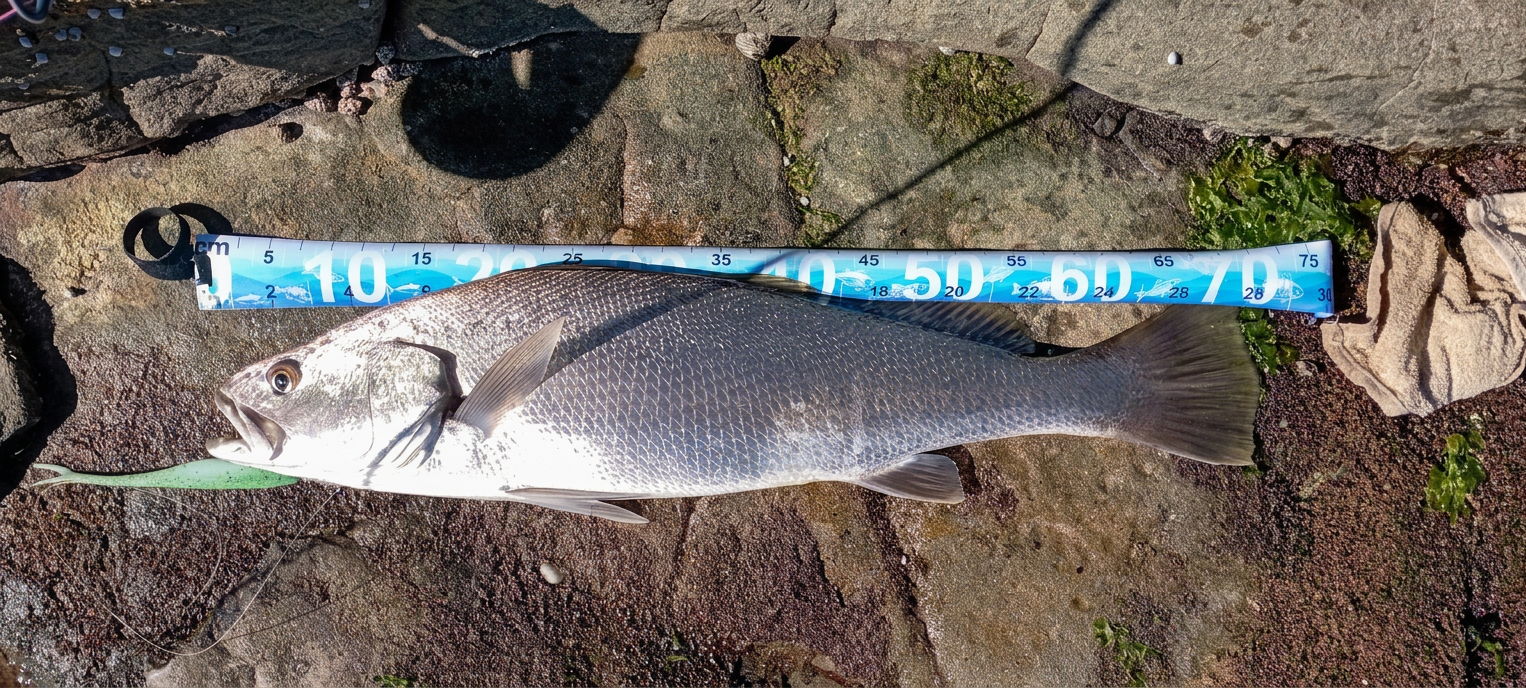
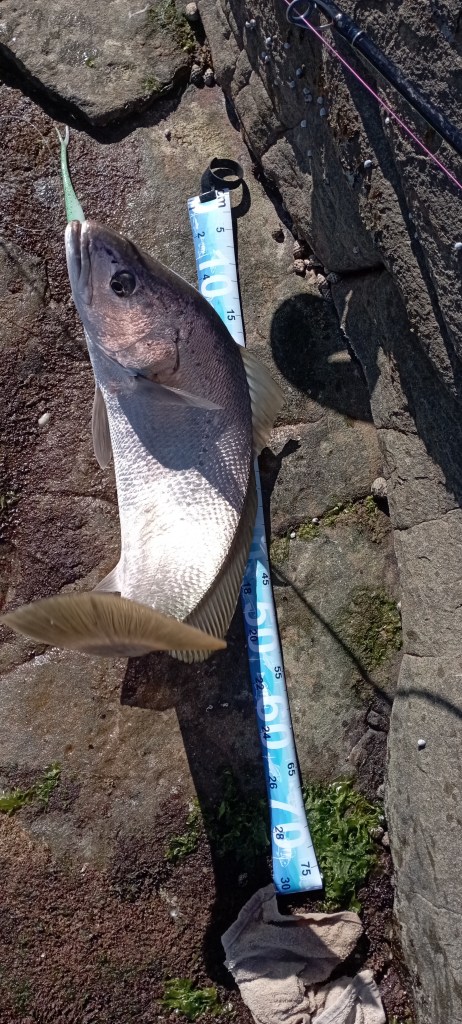
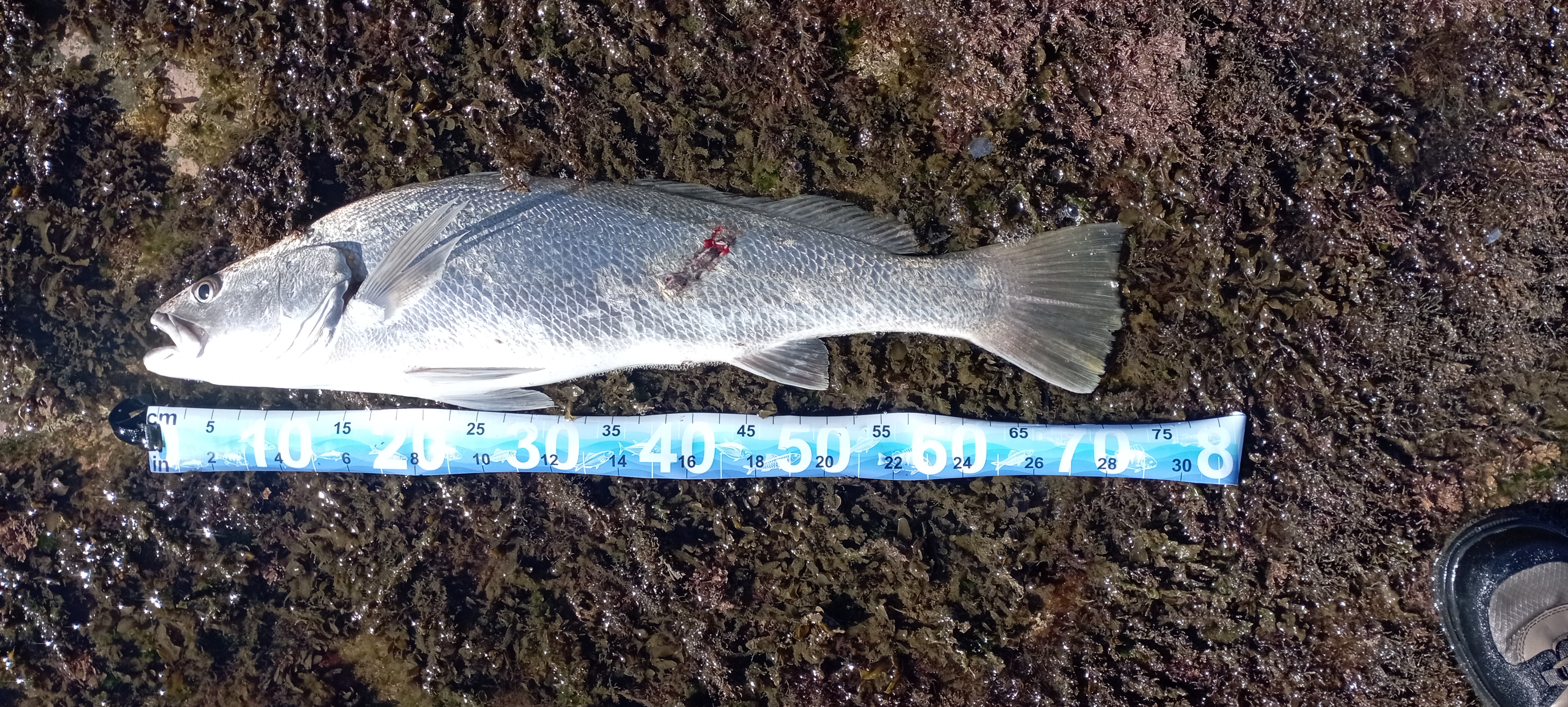
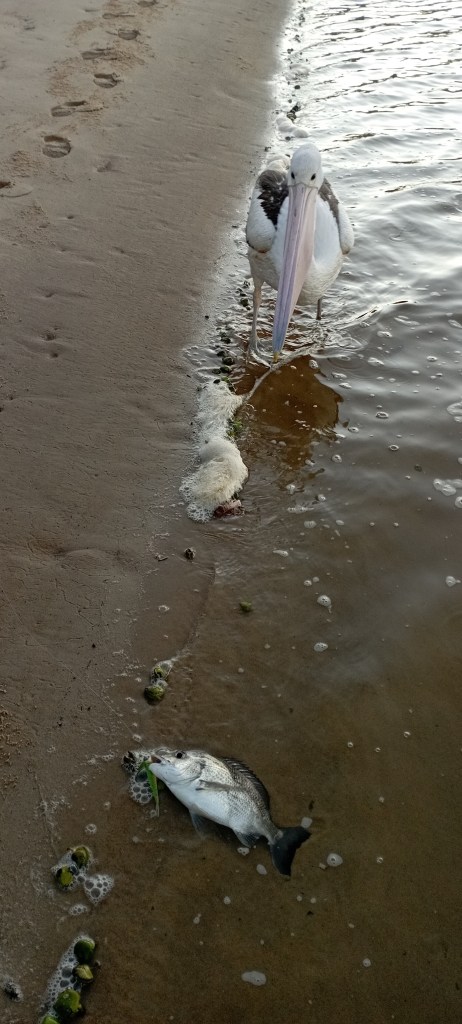
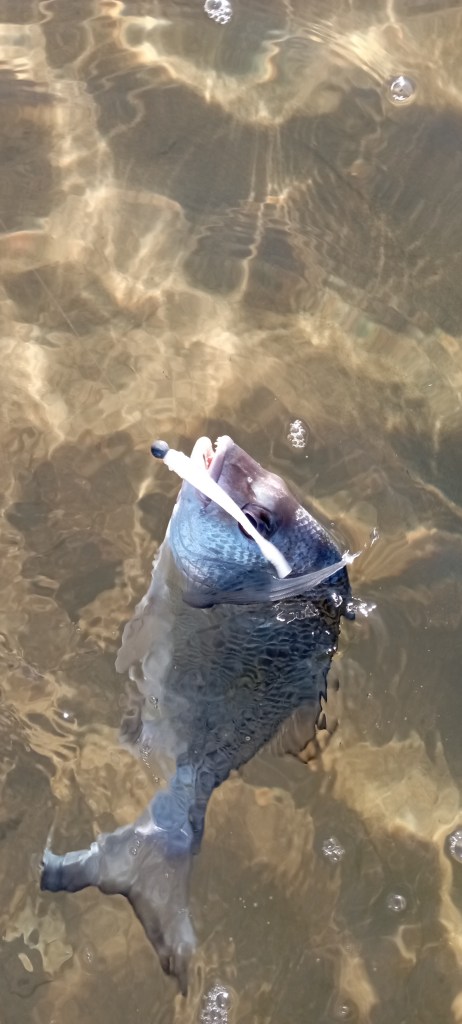
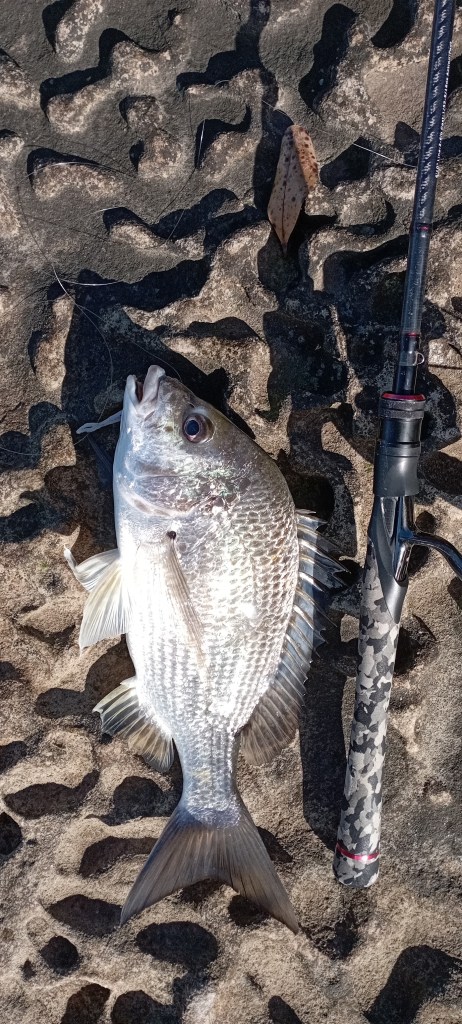
On the big swell days I retreated to concentrate on fishing the lower reaches of the Clarence River. There were plenty of flathead and small tailor in the river. The bream were also plentiful, as they approached their annual spawning time.