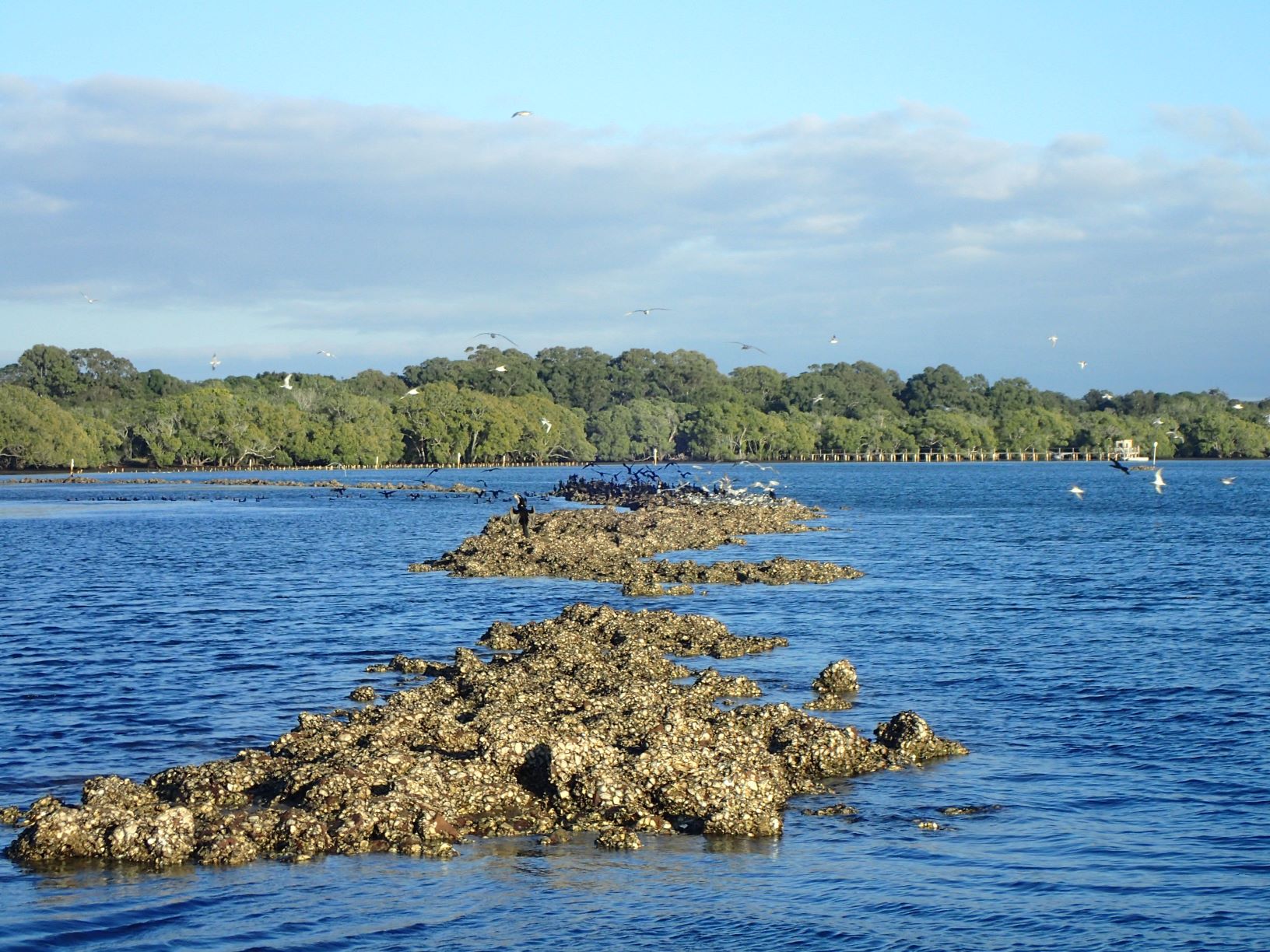
Mobs Bay and the South Ballina Wall – June 2020

June saw some big changes in the fishing on the Byron/Ballina coast. The most important one was the arrival of lots of small whitebait. The whales started to swim past and the tailor arrived in large numbers. The flathead were plentiful in the estuaries. The mullet schooled up along the beaches and around the headlands to feed on the thick schools of bait.  The jewfish also came in to feed on the mullet and tailor. Meanwhile the bream started to gather at the river mouths to spawn.

The only thing that was not conducive to fishing was the swell. There were really only a few days in the whole month when the swell dropped below 1.5 m and so fishing the rocks was tricky. We did not have much rain and as the water temperature cooled the water became very clear.

Match the hatch

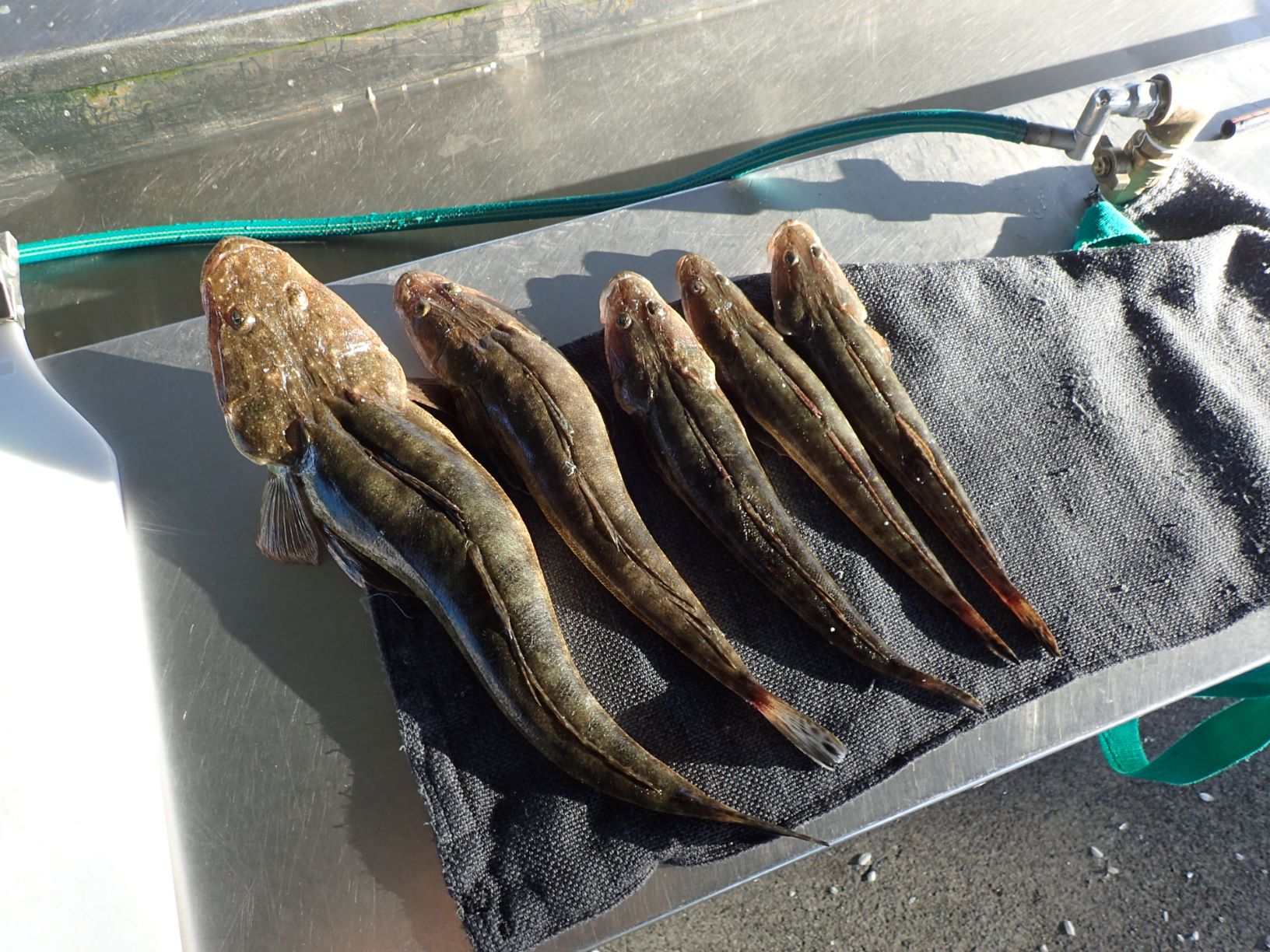
I started the month still focusing on the flathead at the Richmond River mouth. I fished the flats and weed beds with small GULP soft plastics rigged on a 1/8th or 1/6th of an ounce jighead. The minnow shapes that most resembled the whitebait caught plenty of good flathead. If I kept to the two- and three-inch sizes, I also caught bream and small tailor.
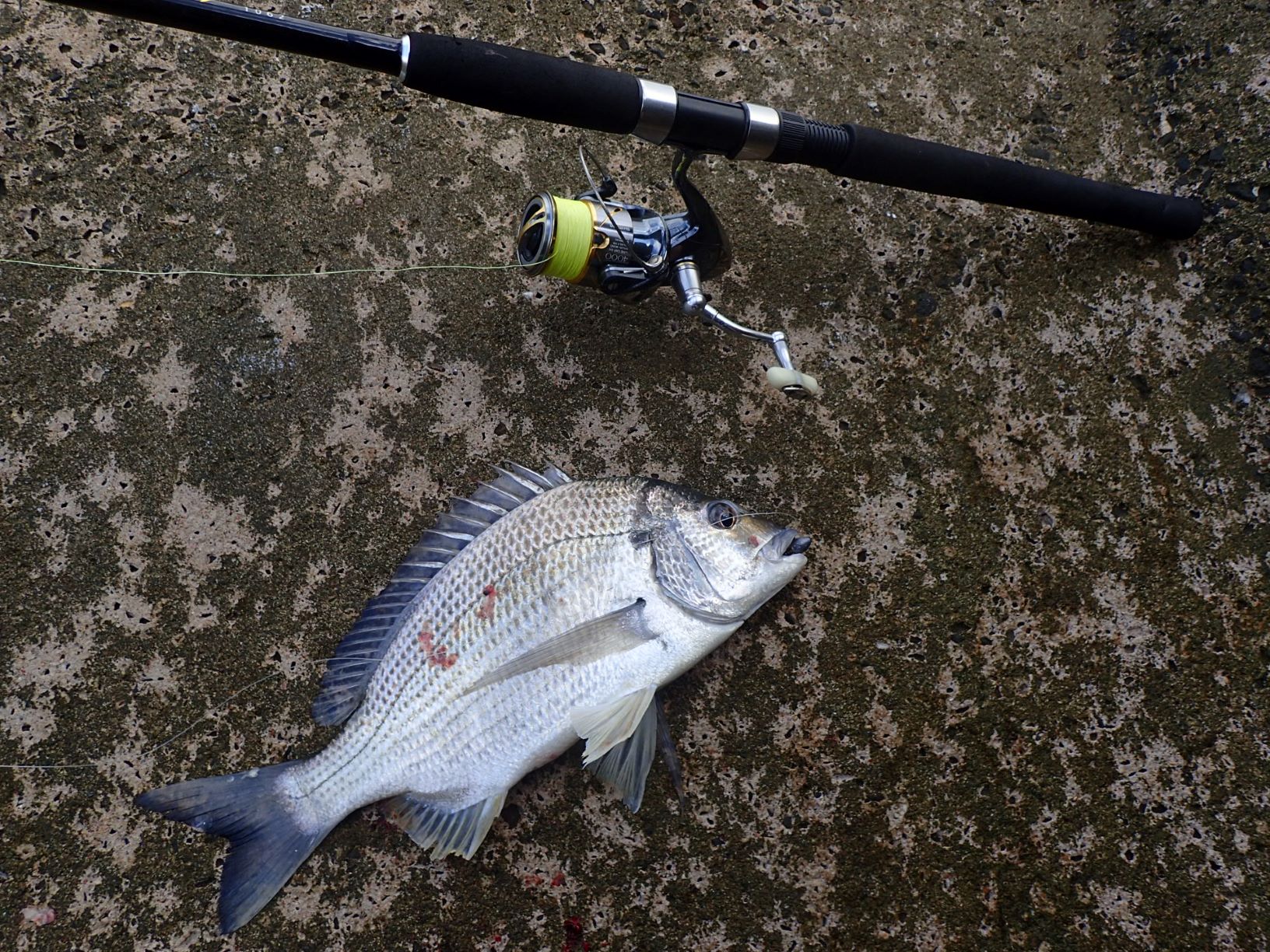
There were a couple of flatter days and I took advantage of them to fish the rock platform at Flat Rock, south of Skennars Head. This is really only fishable around the low tide and it is very snaggy. I fished off the south side of the platform and caught some good bream and tarwhine on GULP 4″ Minnow soft plastics in various colours.
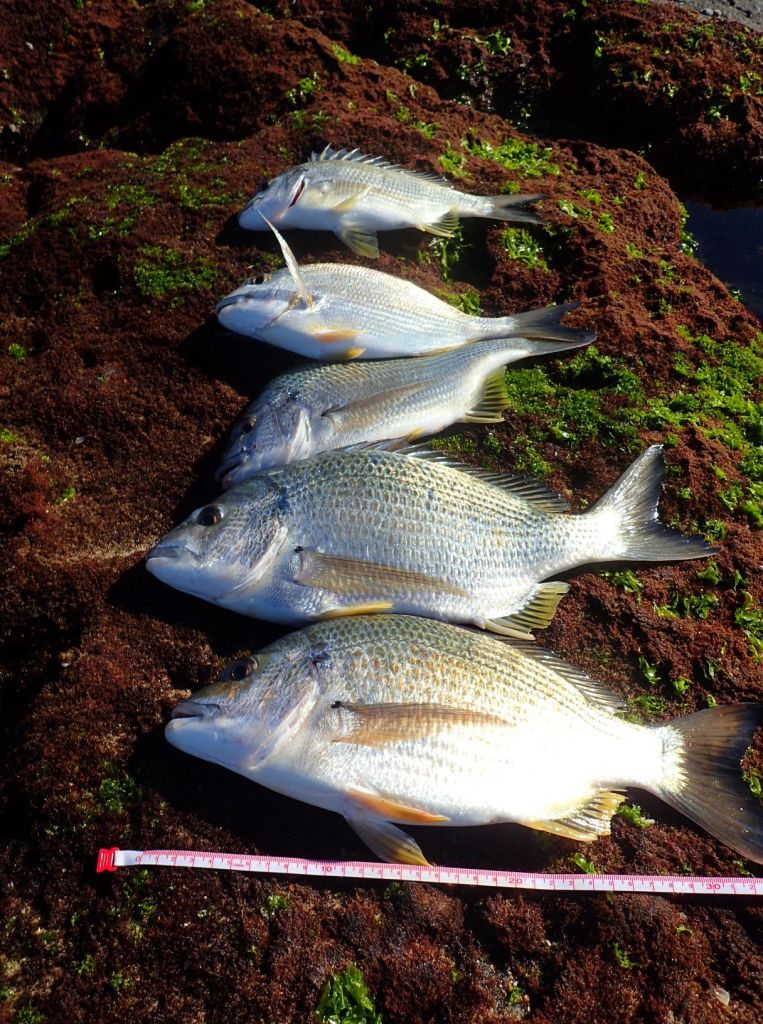
Flat Rock delivered

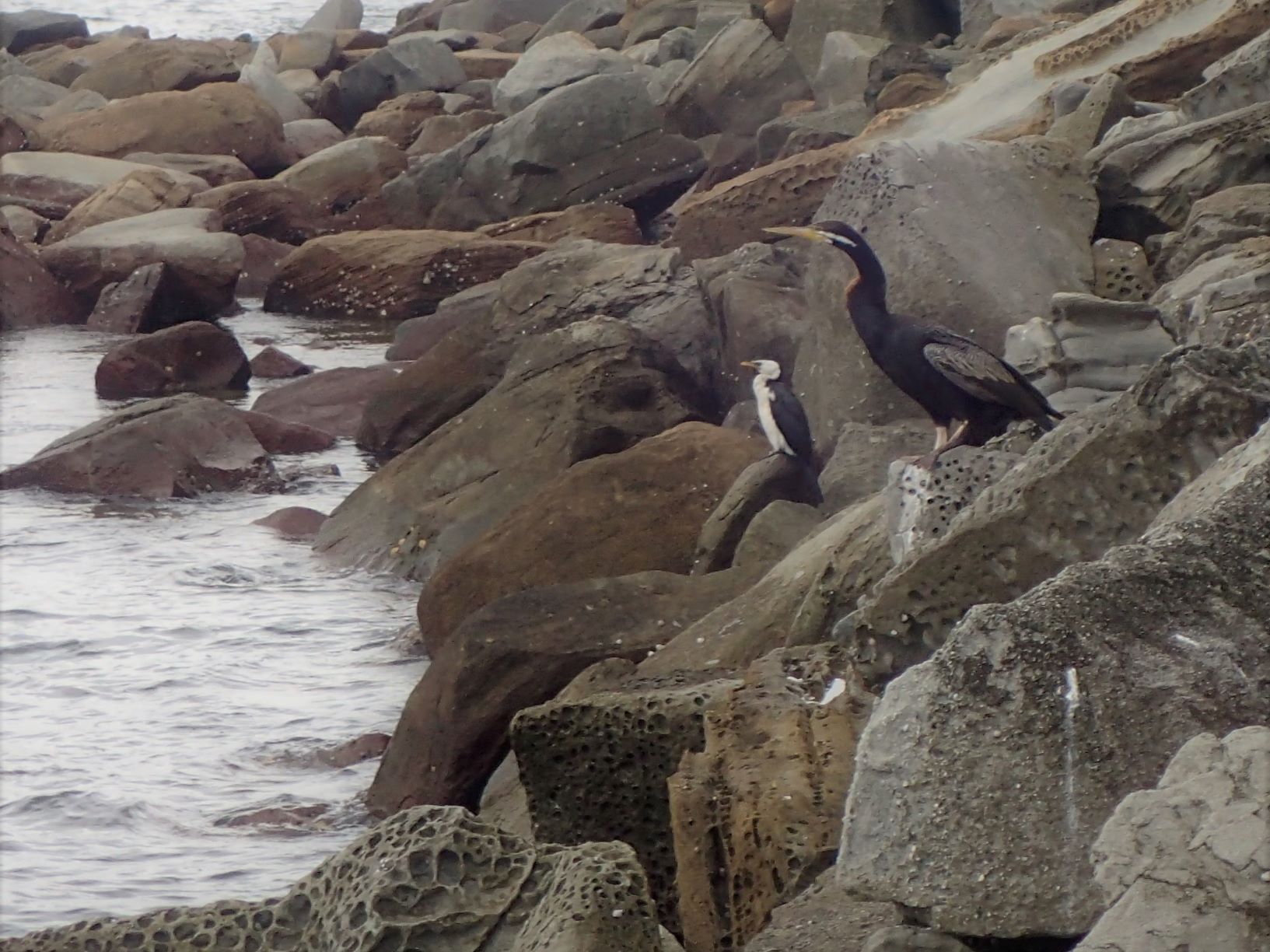
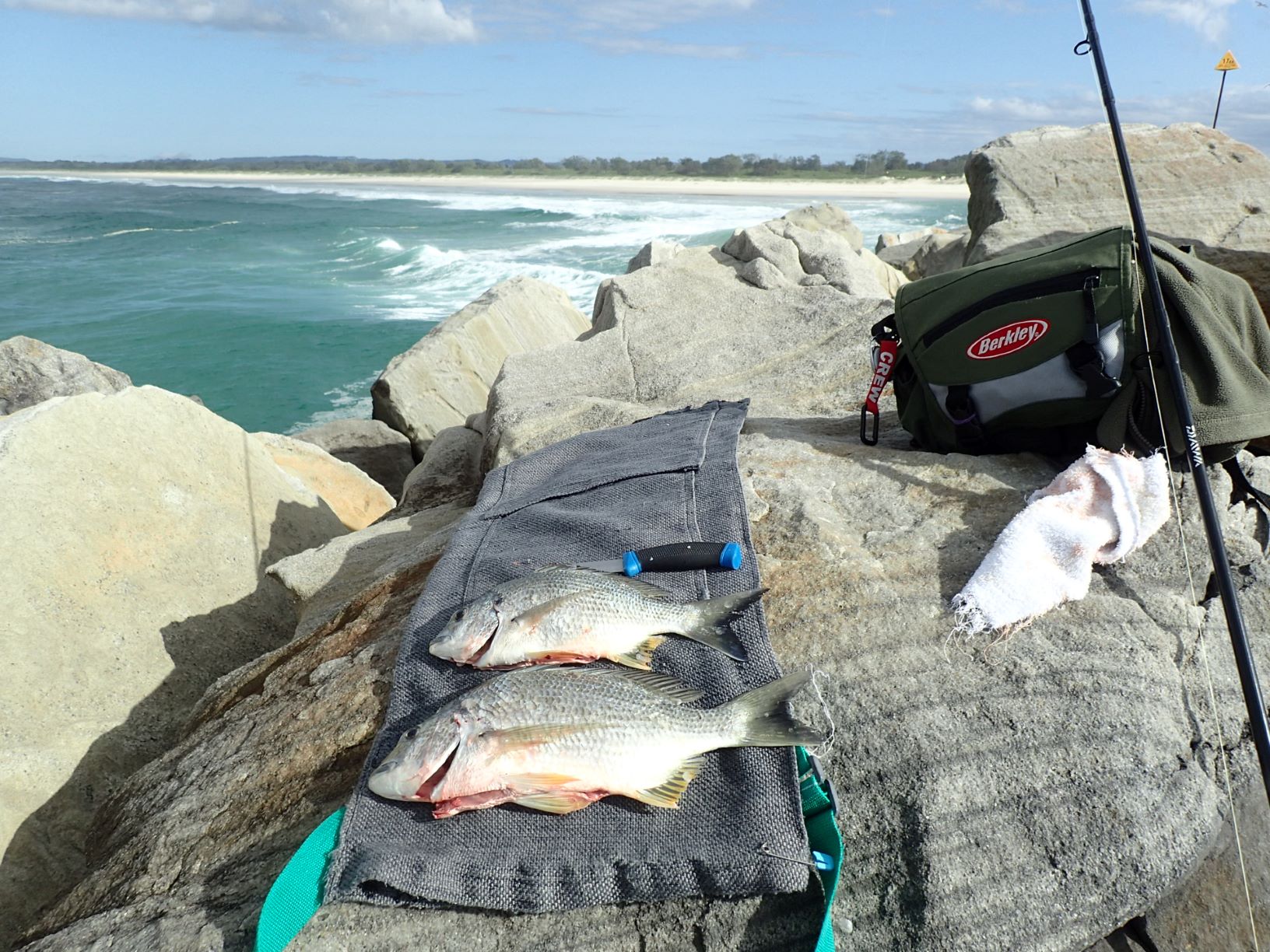
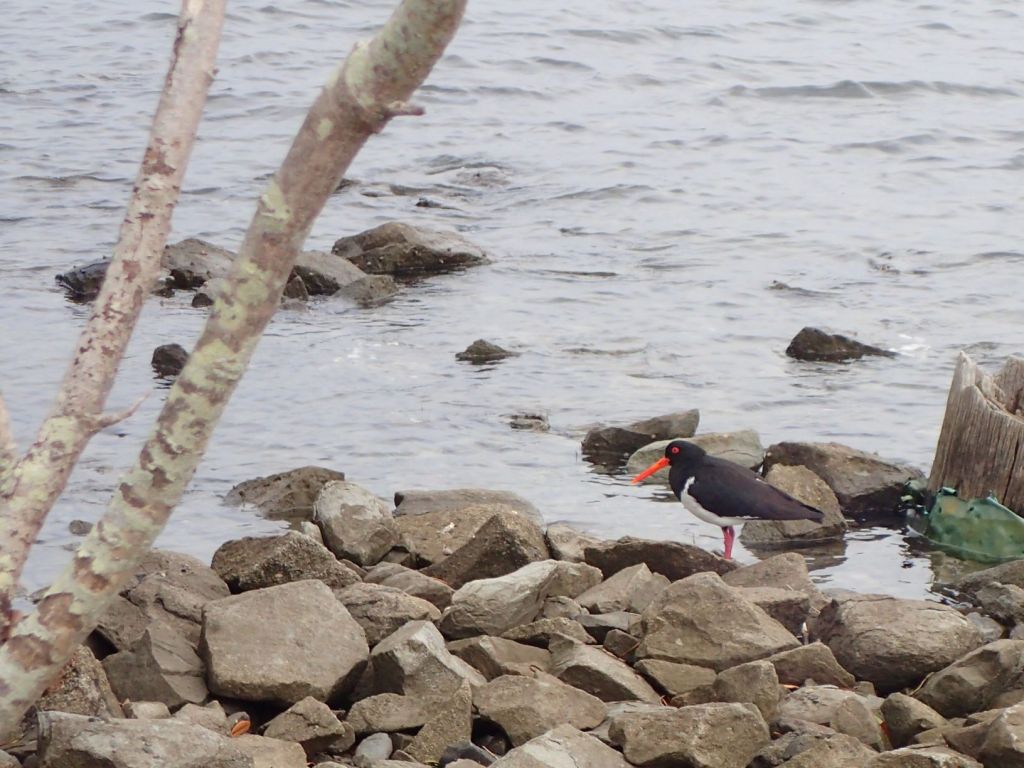
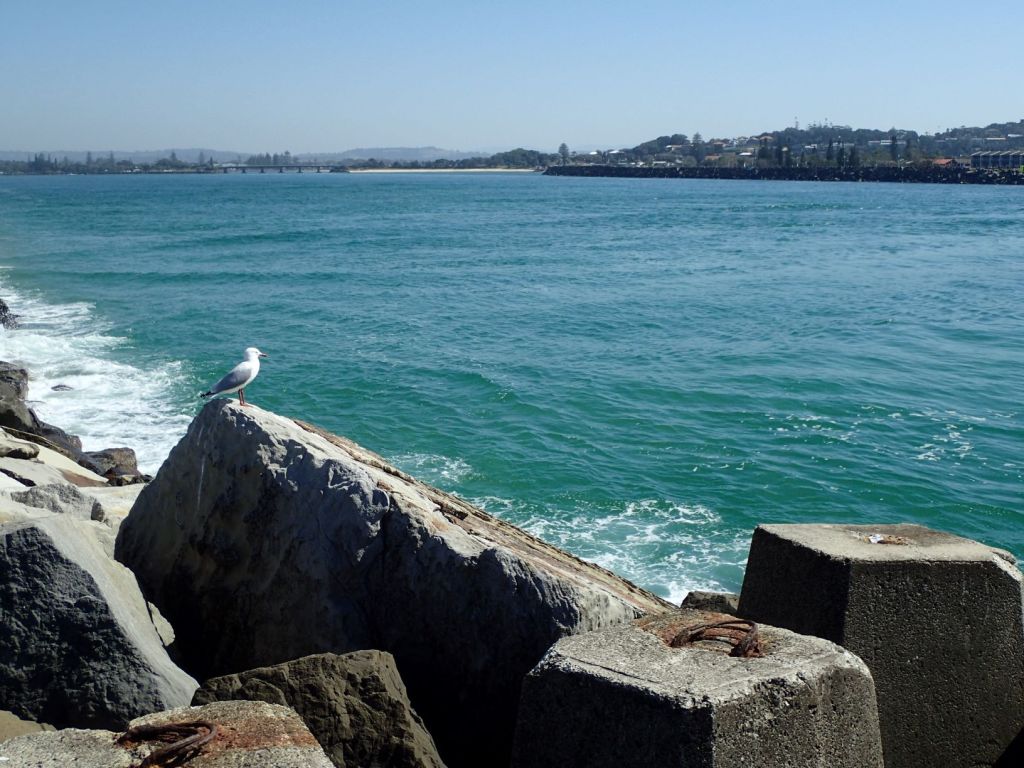
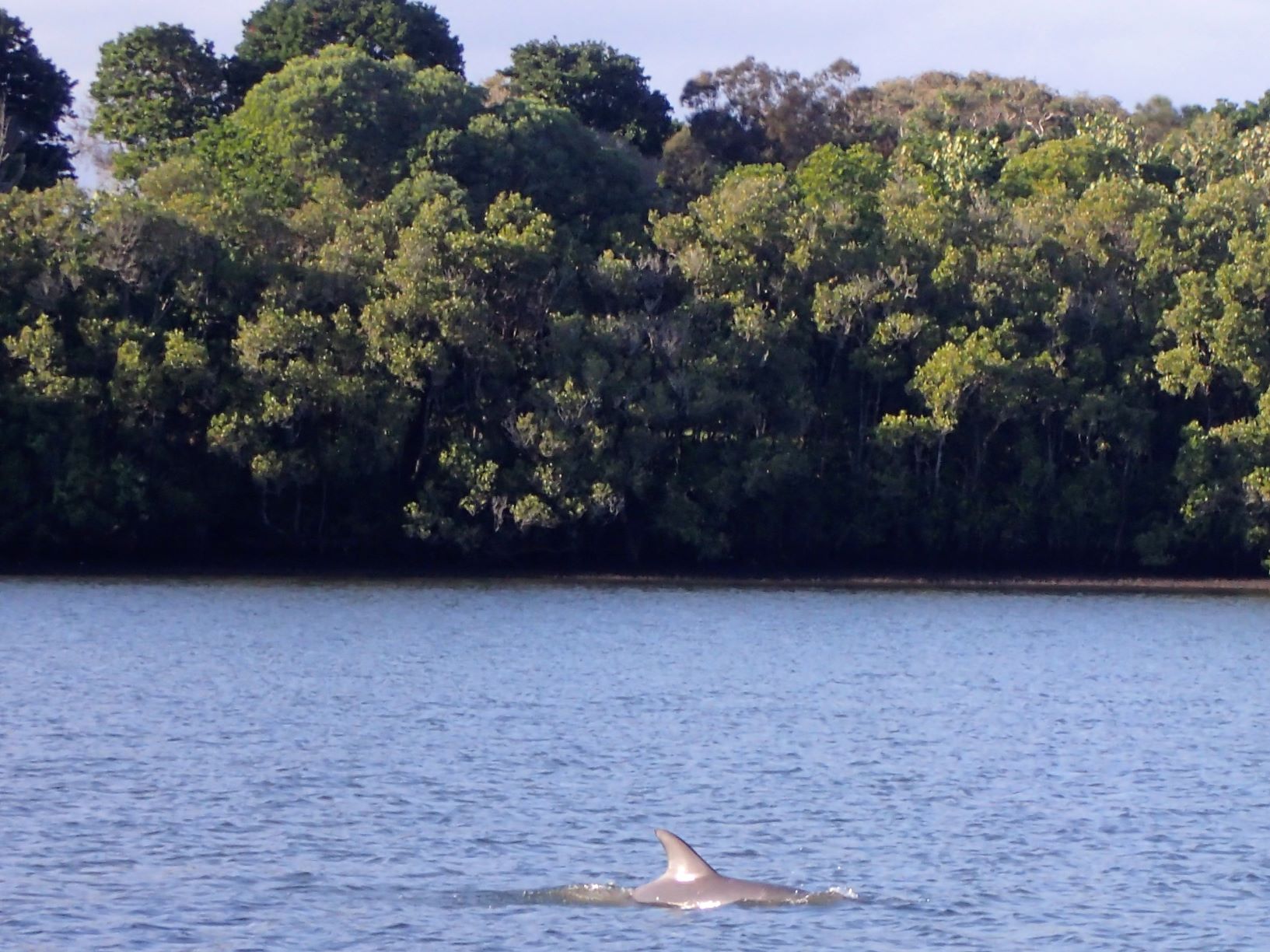
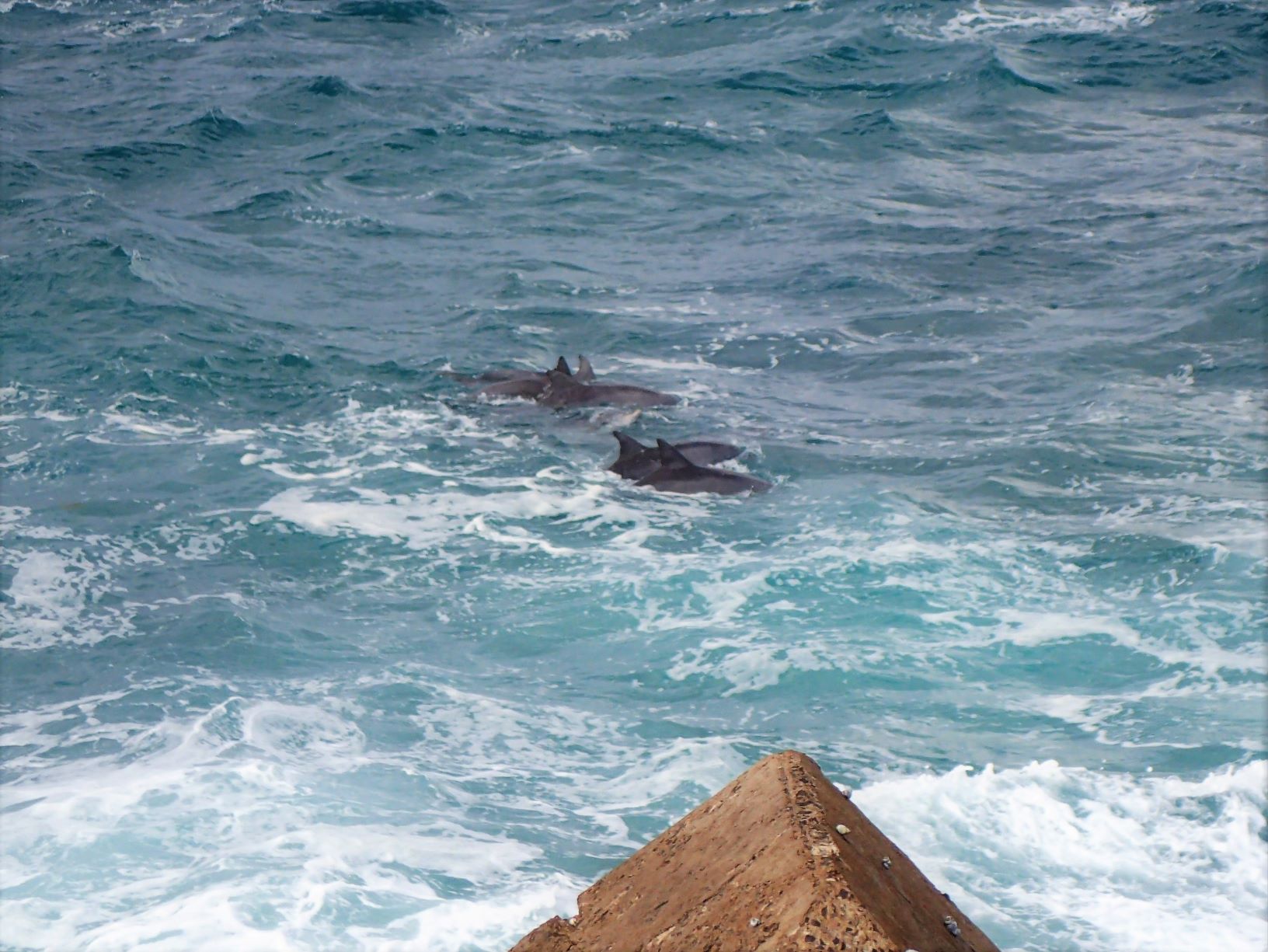
On some of the slightly calmer days I fished the end of the South Ballina rockwall. The dolphins and birds were a constant – chasing the bait schools around the end of the rock wall and out into the river mouth. As we came up to the new moon the more committed fishermen were out from well before dawn casting big hard bodied lures for jewfish. Judging by the scale piles, they caught a few.

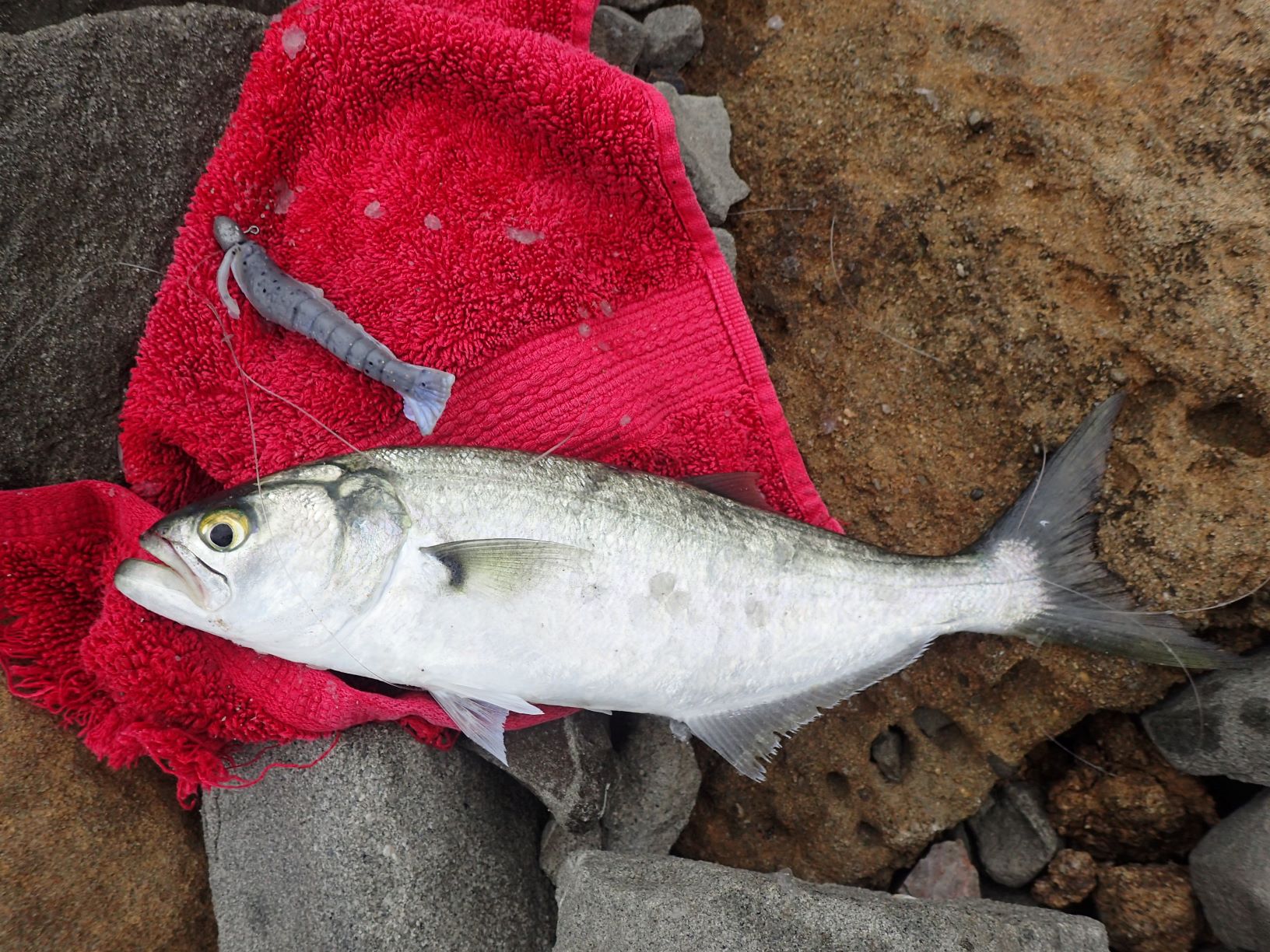
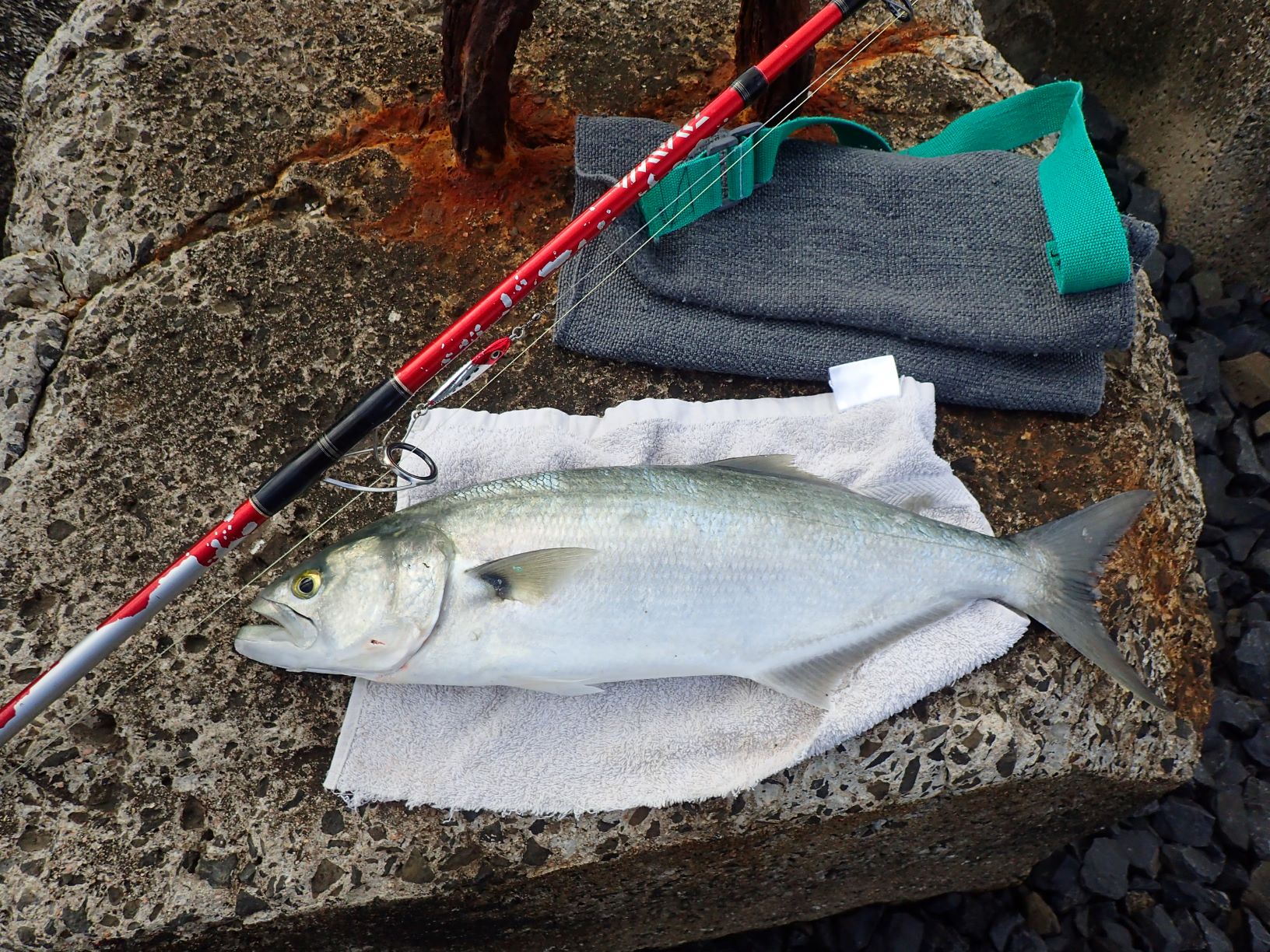
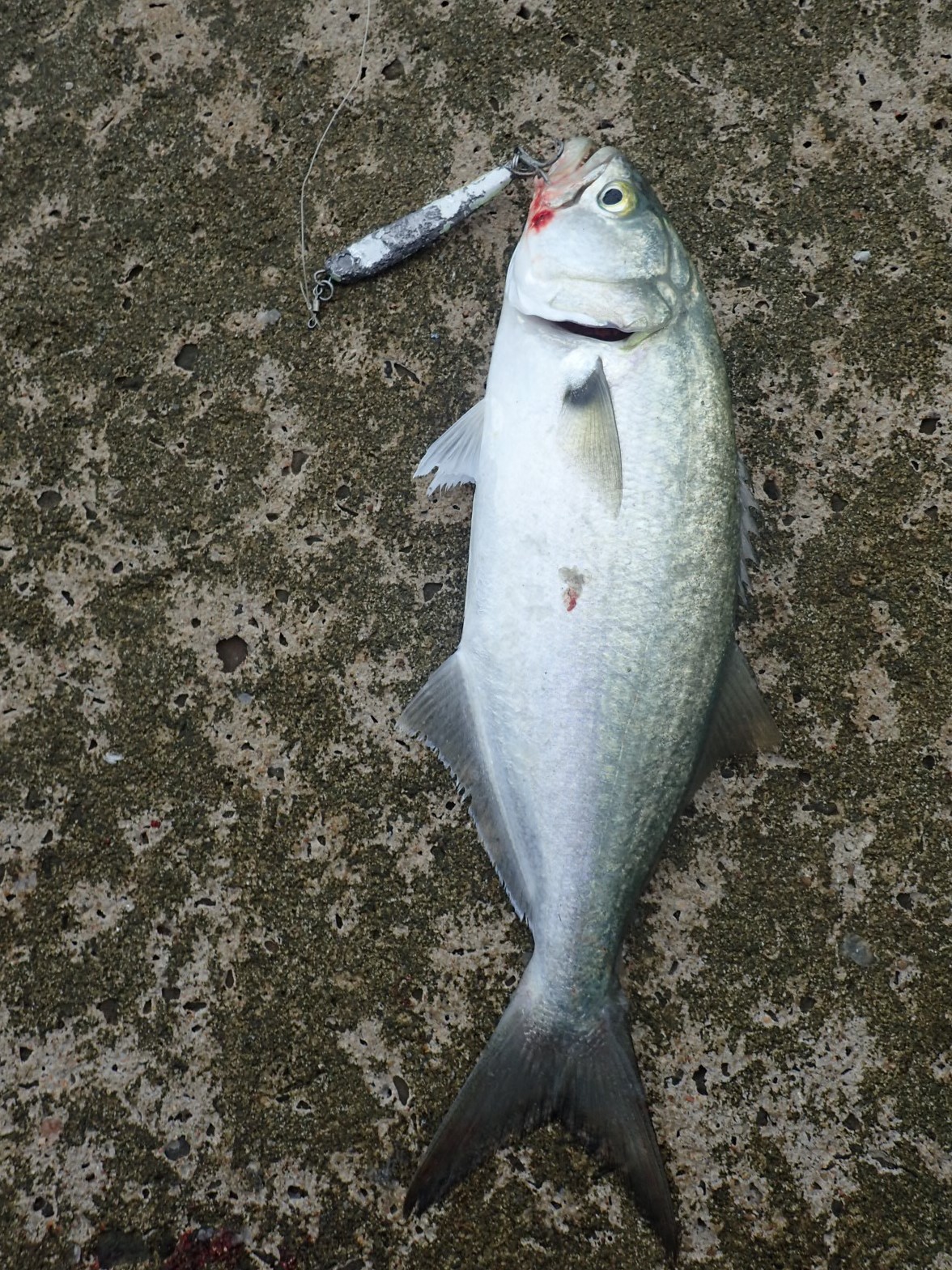
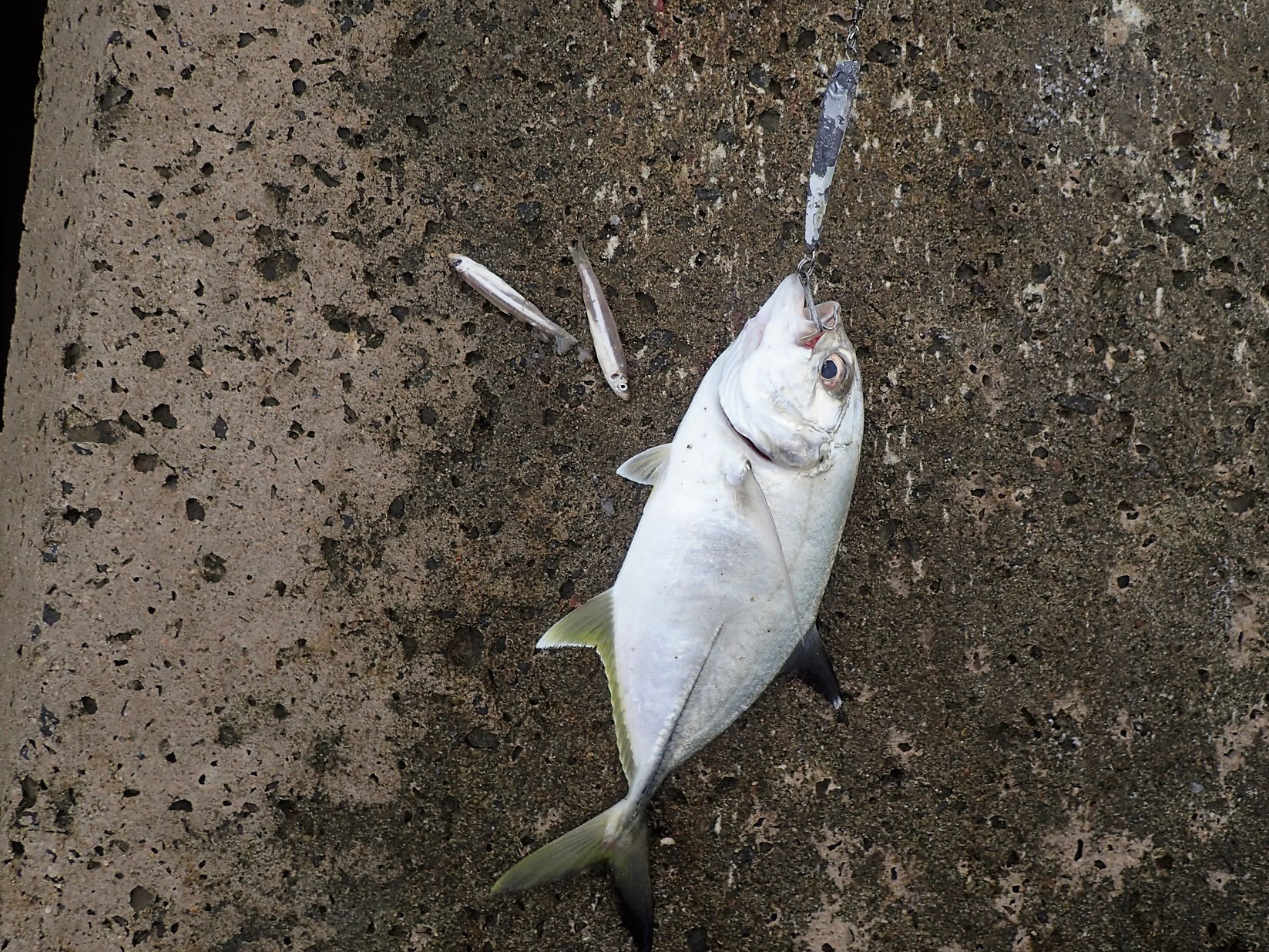
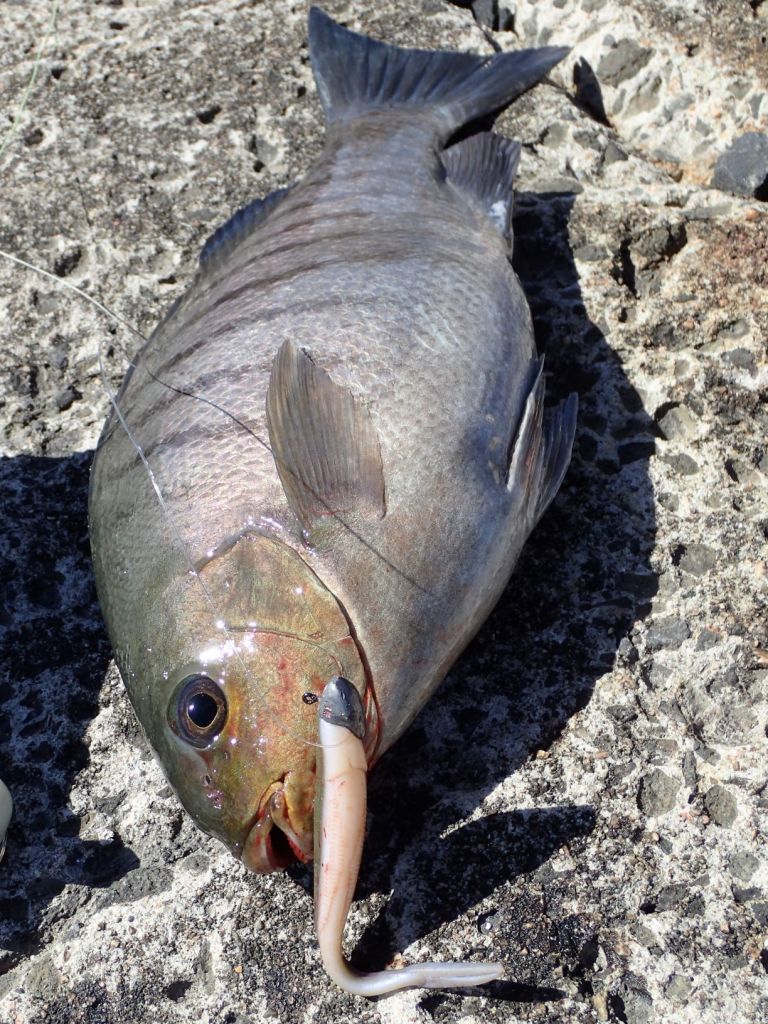
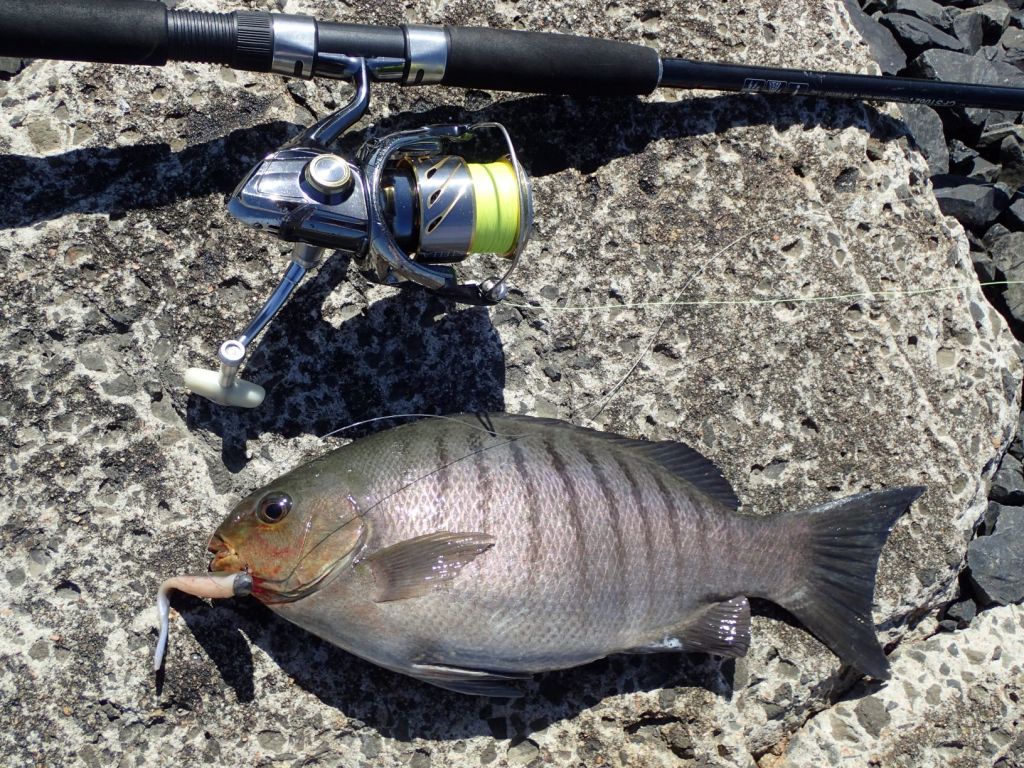
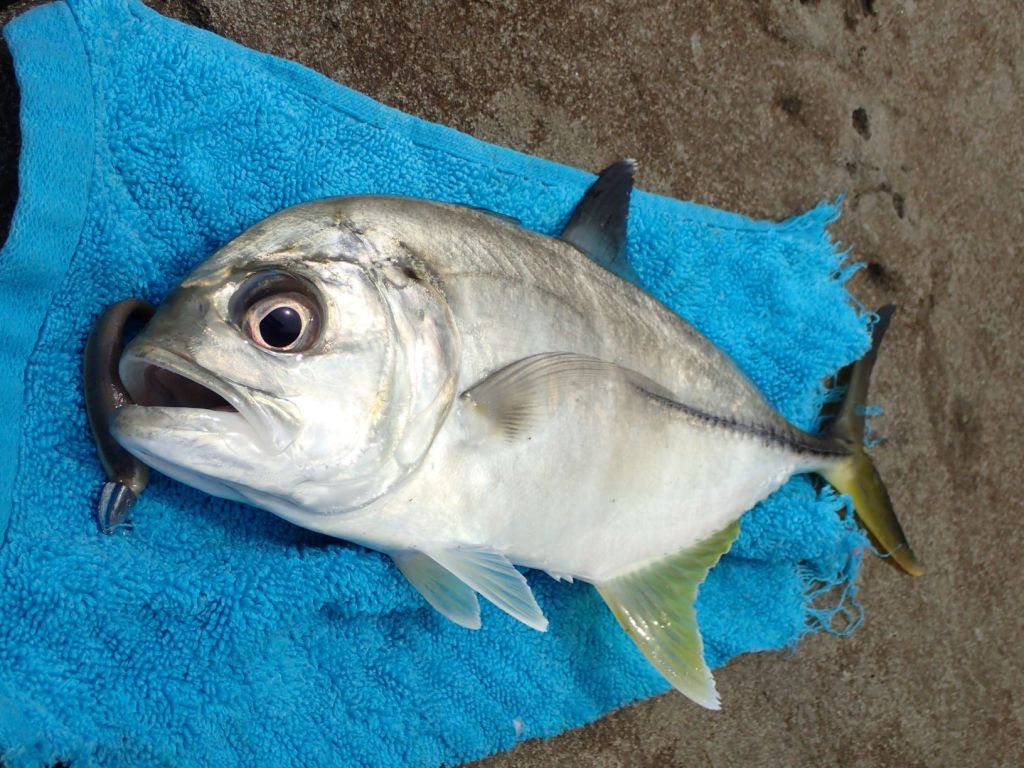
I focused on casting slugs off the end of the wall which caught plenty of tailor and a few small trevally. When the tailor slowed down, I put on soft plastics and caught some good sized bream. A couple of times I hooked school jewfish at the base of the rocks but with the lighter Daiwa 1062 Crossfire rod running a 16lb leader (for the bream) I could not bring them round the rocks to a landing spot.
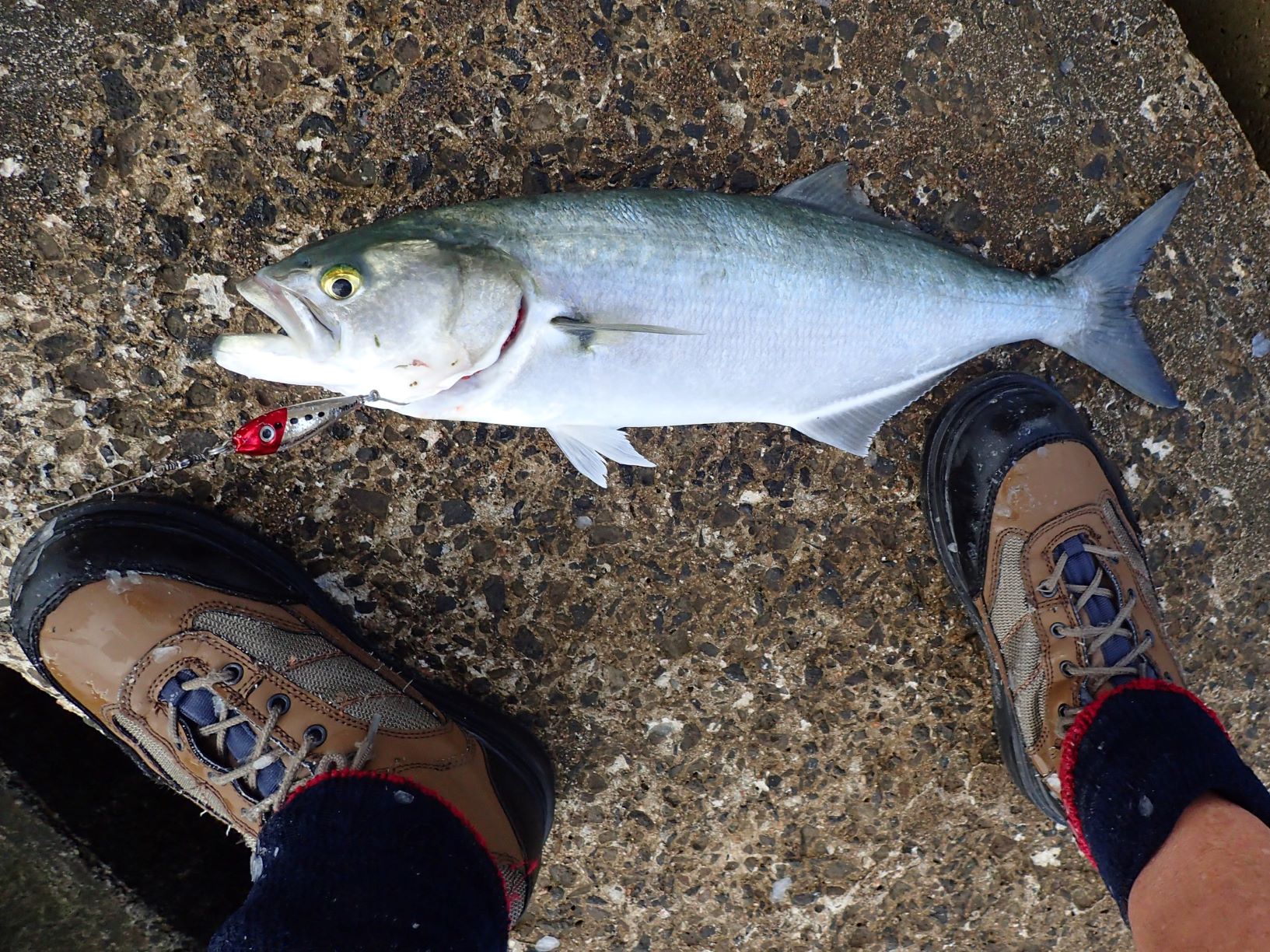
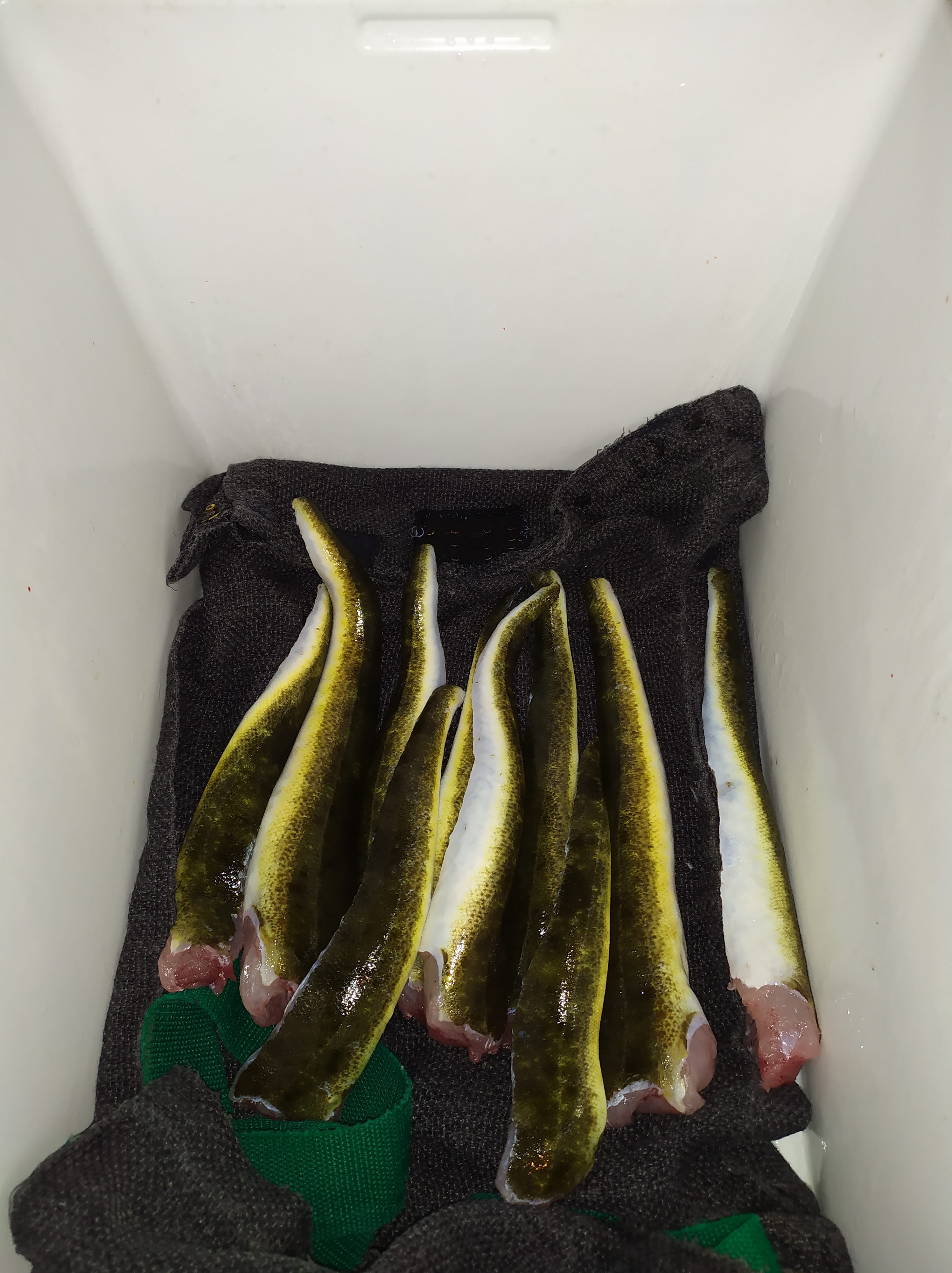
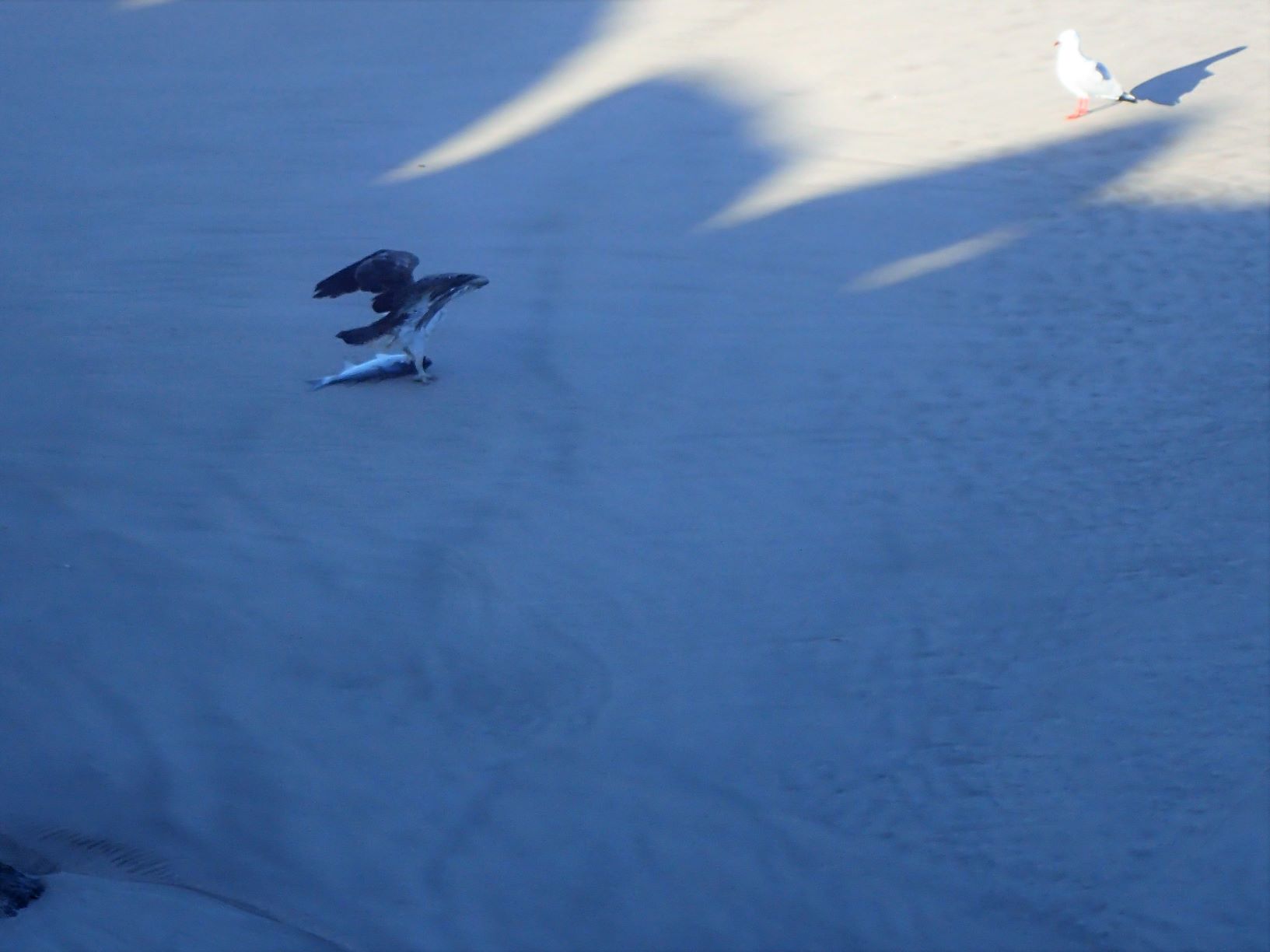
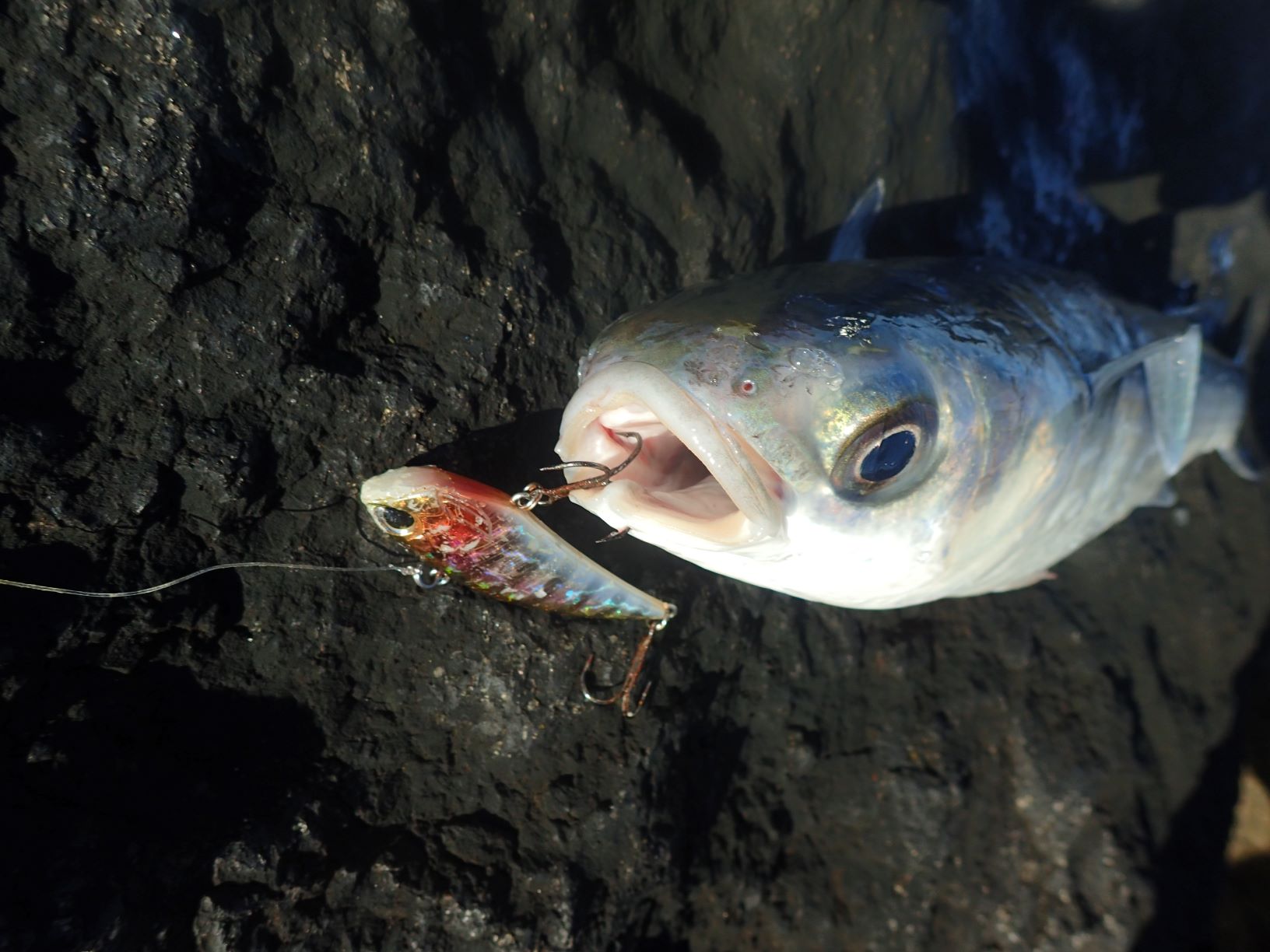
Each time I fished the early morning I saw the local osprey waiting for the mullet schools to swim up the beach into the shallows. I saw him catch a few but by now some of them were too fat for him to lift. I dragged a vibe lure through a thick school one morning and caught one. I decided to keep it as I have always wanted to try the roe (eggs). This is considered a delicacy in Japan and many parts of Europe. When I ate it the next day, the fresh fillets were very good, but I could not stomach the roe (the Japanese are welcome to it!).

Flat Rock & South Ballina – January 2020

I was away most of January but I managed a couple of fishing sessions at the end of the month. The first was at Flat Rock, just south of Skennars Head and just north of Ballina. This area is best fished through a falling or low tide. I fished with my lighter rock fishing rig – this is currently a Shimano Stella 4000 matched to a Daiwa Crossfire Surf 1062 rod.

It was a great sunrise but not a particularly good mornings fishing. I caught a couple of very small bream on my first two casts and later I caught a decent sized dart. I got everything on the Gulp 3′ minnow soft plastic in the orange and lime green “Lime Tiger” colour. The dolphins kept patrolling the edge of the rock platform, so I am sure the fish were there. There was a fairly stiff onshore breeze which made casting tough and I snagged plenty of my jigheads.

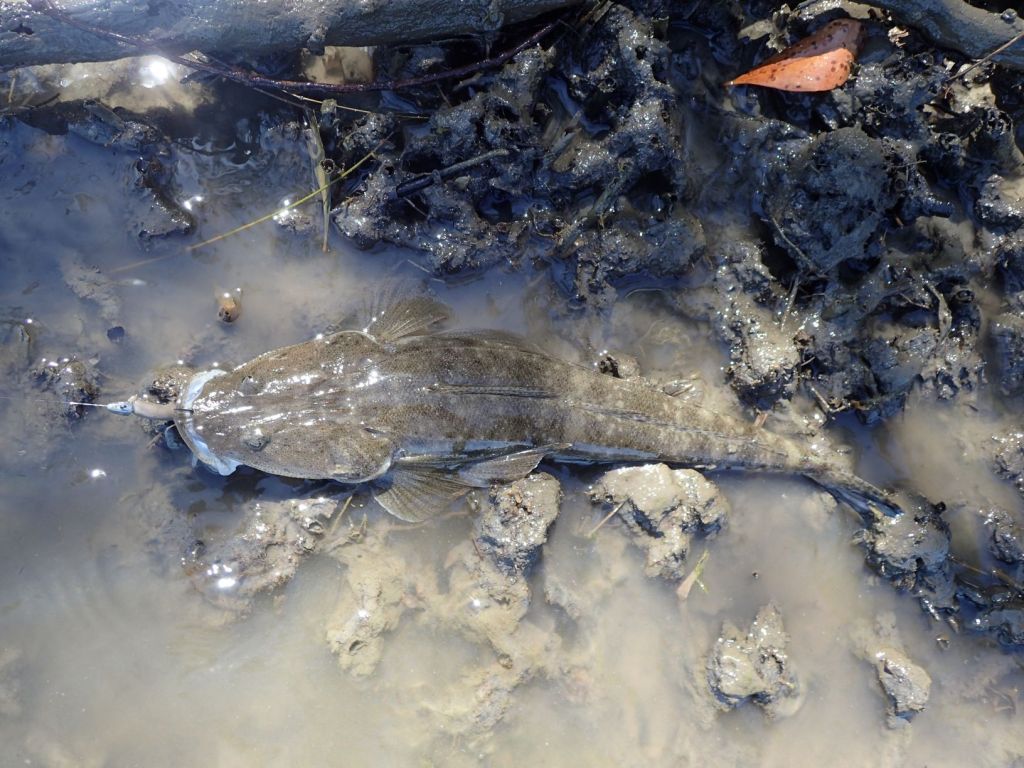
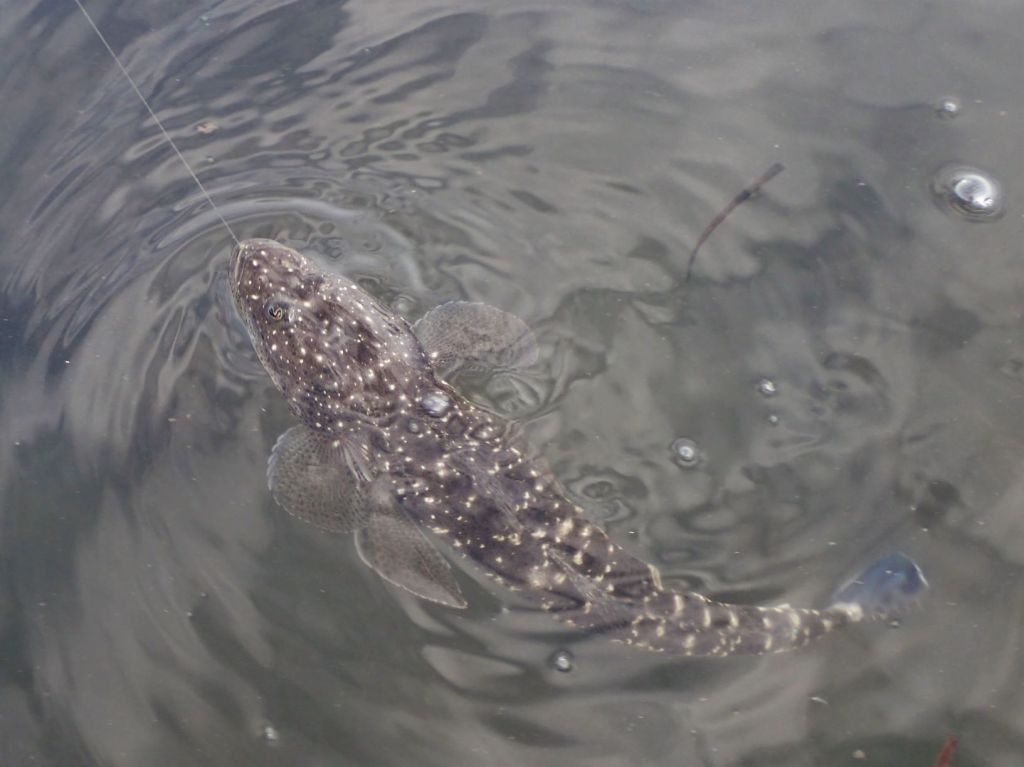
A few days later, I fished the run out morning high tide for about three hours from its peak, at Mobs Bay, South Ballina. As I waded in the shallows, I found a few fairly small (25 to 35 cm) flathead. But it was the bream that were out in force. I caught 5 keeper sized bream and a few smaller ones. I was using my light spinning rod and reel rigged with 12 lb braid and about a metre of 10 lb breaking strain fluorocarbon leader. I caught them on a Gulp 3″ minnow soft plastic in the watermelon pearl colour, rigged on a 1/8th ounce, size 1 hook jighead. I was amazed at how happy they seemed to be, cruising around the mangrove roots and weed beds in less than a metre of water. I started to catch them as I slowed everything down. I would let the plastic sit on the bottom for as long as 30 seconds before starting the retrieve. They would often then strike as soon as I lifted the lure of the bottom.

I fished a few evening sessions in the Brunswick River without much success. The holidays delivered a fairly constant stream of paddlers and boats which made it hard to find an undisturbed stretch of water to fish. There were a few whiting in the shallows and plenty of tiny flathead, but I could not land dinner.

Brunswick River and South Ballina – December 2019

With bills piling up I had to disappear overseas in October and November to earn some money. There is no doubt that fishing is an addiction and an expensive one. Still, there are far worse things you could be addicted too and occasionally it provides dinner!

In December we had the continuing drought and the bush fires to deal with. I woke up several mornings to an ominous smoke filled sky at our place in South Golden Beach. Fortunately although I could smell them, the fires stayed a long way away.

It was hot and the winter species had long departed. The Brunswick River produced a few small flathead at the river mouth – especially on the very last hour of the run out tide. But, of the 10 flathead I caught over two sessions casting soft plastic lures, only one would have been legal to keep.

Just before Christmas I fished a few sessions in South Ballina, on the flats around Mobs Bay. My preference is to fish from the top of the tide through to about half way out, in this location. This worked fairly well and I ended up with three good flathead at each outing. I was fishing with my light spinning rig. This is a NS Blackhole 6′ SGII 602L trout rod. This rod is a true ‘Ultralight’ and picks up even the slightest of bites and touches. It does not have any grunt but it can handle a good sized flathead. I have recently swapped my 2500 Shimano Stella for a Daiwa TD Sol III 2500D LT reel. It is a bit clunkier than the Stella but I like the sturdier design, as I am always dropping it. The drag is good and I like the heavier bail arm. I had teh reel loaded with 12lb braid and about a metre of 10lb fluorocarbon leader. I was fishing with a 1/8th of an ounce/ size 1 hook jighead and the GULP 4″ Minnow soft plastic in the pearl watermelon colour got the flathead to bite.

Mobs Bay and South Ballina rockwall – September 2019

At the beginning of September I fished a couple of sessions at the end of the South Ballina rockwall. I caught a few good bream, chiefly on small minnow shaped soft plastics. I also landed a few luderick and a couple of small trevally. I am sure the tailor come and go around this headland but I have yet to encounter them.

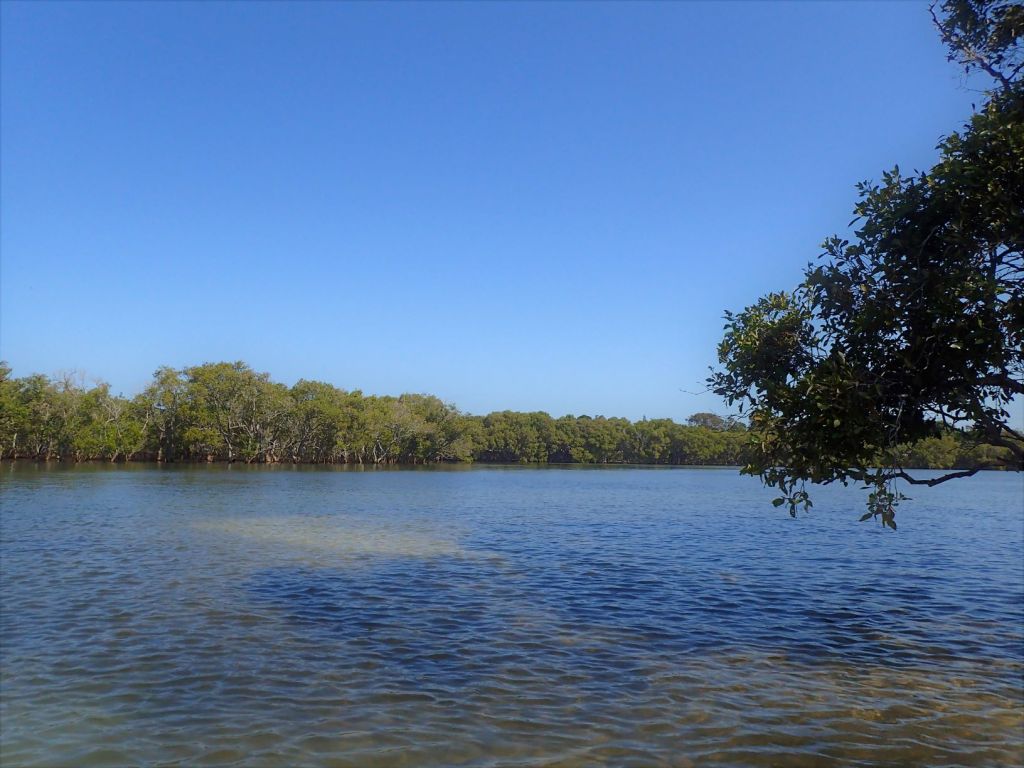
For the rest of the month. I focused on wading the flats and fishing for flathead in South Ballina. I had success in two areas – the mud flats, just to the south of the Burns Point ferry landing and all around the sand banks and weed beds of Mobs Bay. This is a big bay near the river mouth with all the ingredients that flathead love; rockwalls, shifting sandbars, weed beds and good tidal flow.

Research suggests that flathead will spawn throughout the year, apart from in mid to late winter. Despite this I often catch fish full of eggs in August and September. They certainly still seem to school up with the bigger tides in the lead up to the full and the new moons.

I fished Mobs Bay with soft plastic lures. Typically I used a light spin rod and reel loaded with 10lb breaking strain braid and a 10 or 12lb fluorocarbon leader. My favourite brand of soft plastics are still the Berkley GULP range and if I had to pick my ‘go to’ pattern for flathead, it would be the 4″ minnow shape. In the pearl watermelon colour it looks very much like a small pilchard.

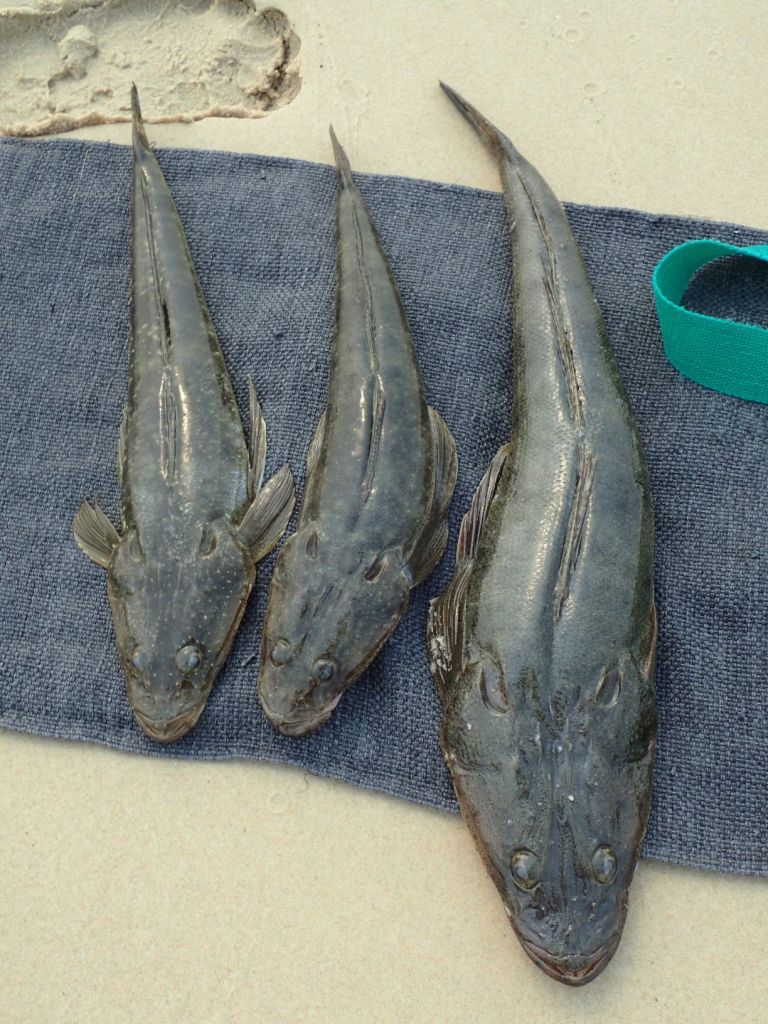
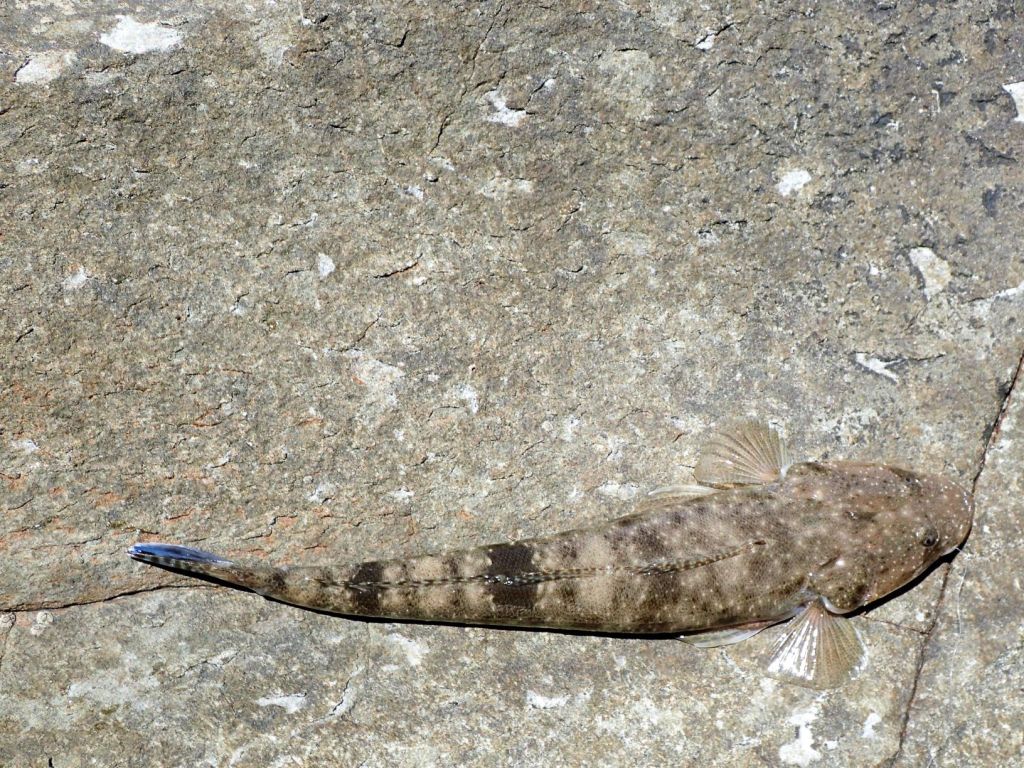
I fished about 5 times in September and caught plenty of flathead. The vast majority of the fish I caught were in the 25 cm to 35 cm size range and so they went back to be caught again when they are big enough.

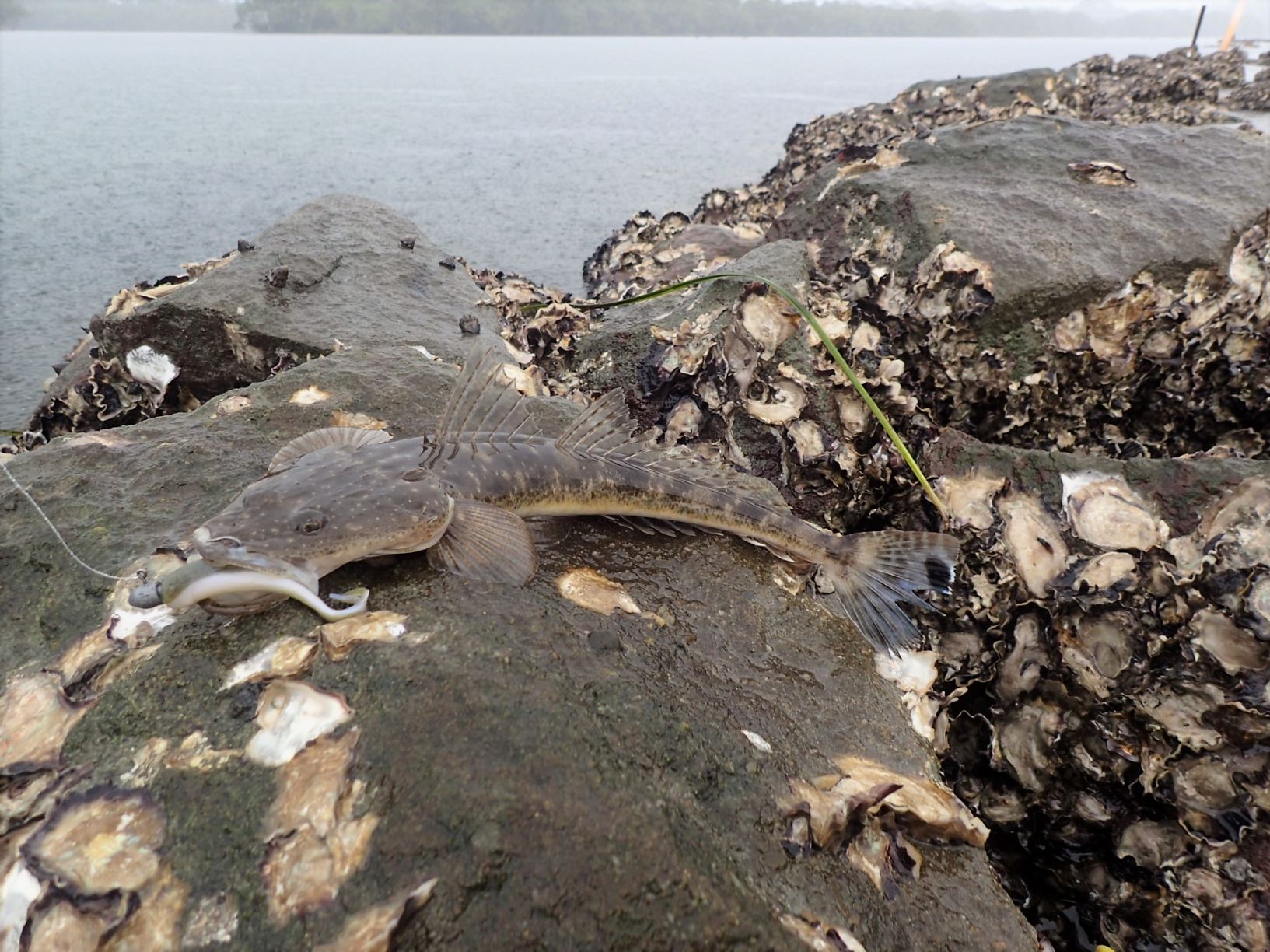
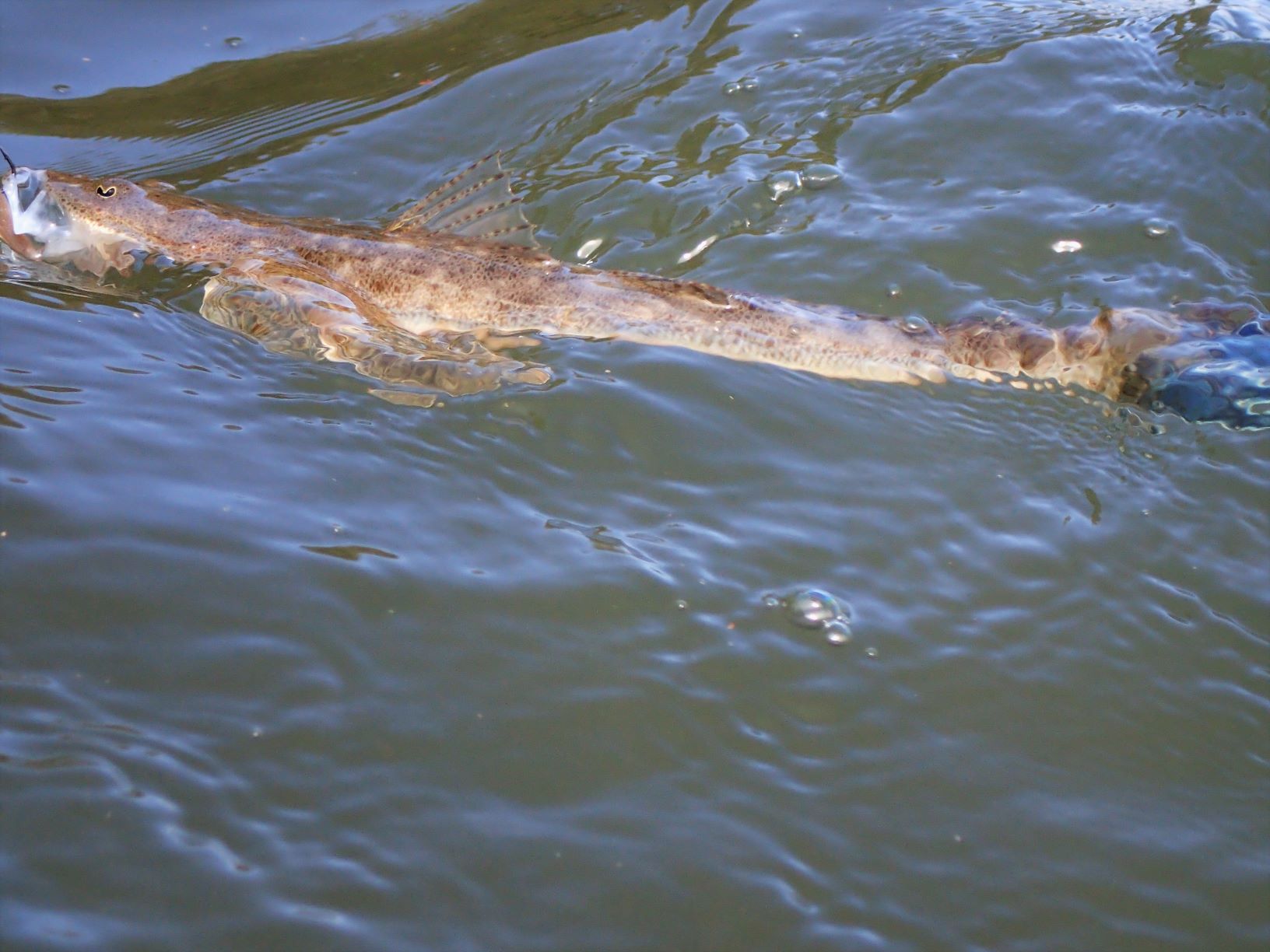
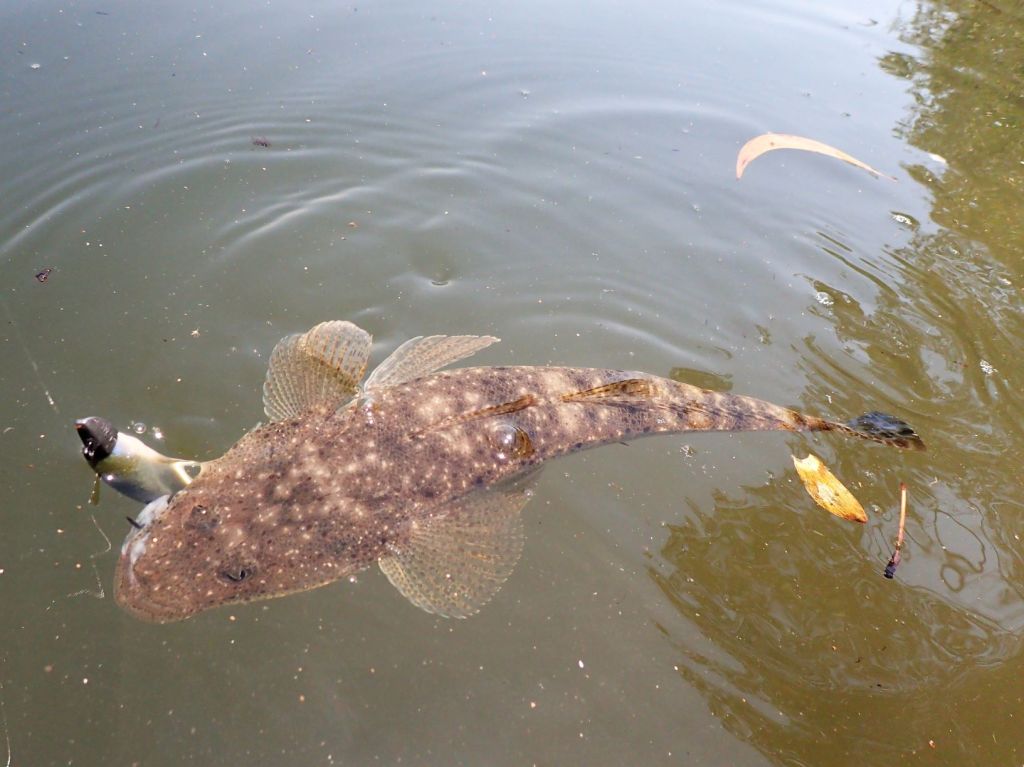
I caught the biggest flathead (about 60cm long) in the lead to the full moon on the 12th, at the base of the rockwall, near the river mouth.

A decent South Ballina flathead from the base of the rocks