Iluka – The Clarence River and the Bundjalung Headlands – May 2024

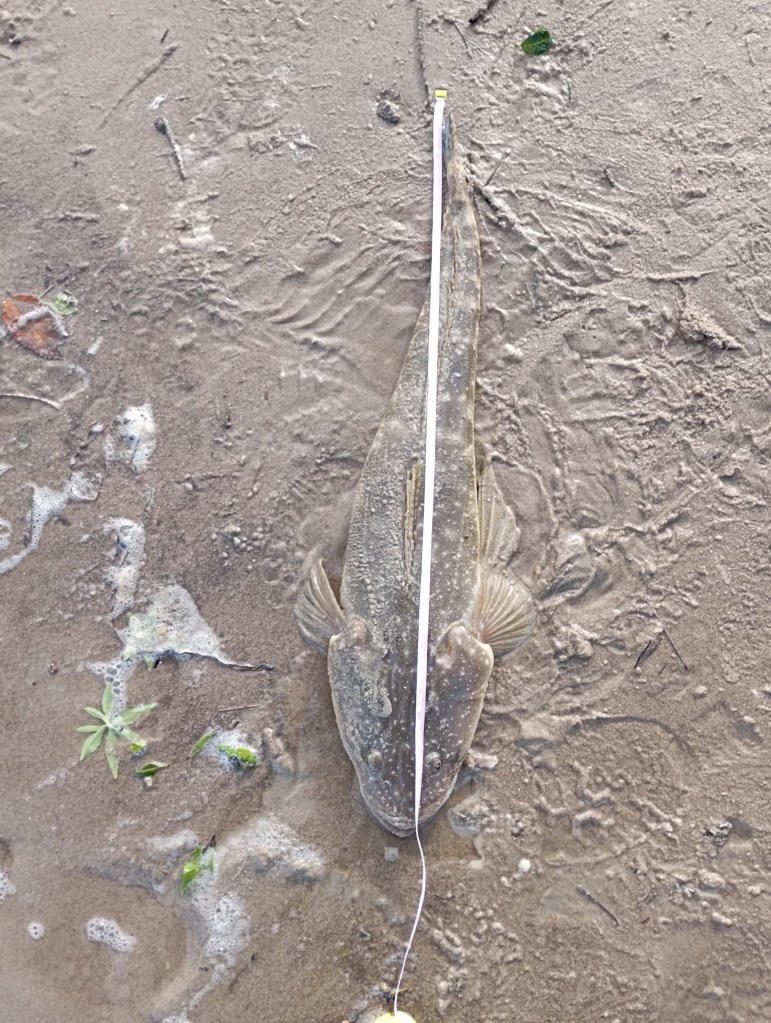
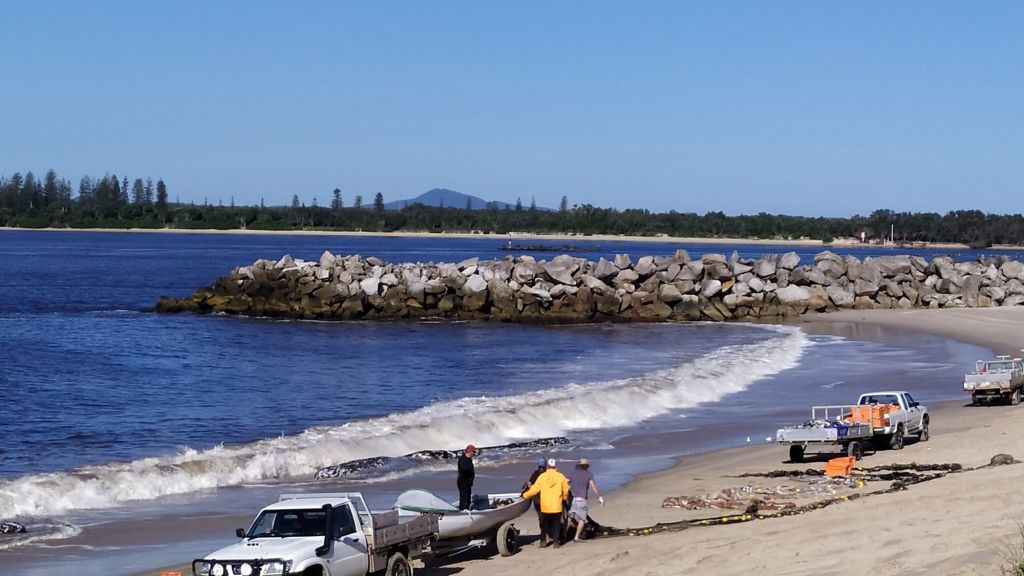
In Iluka, the mullet netting really got going in May. There were some big hauls at the mouth of the Clarence River and round on the beaches at Shark Bay. However with the fish plentiful everywhere it seems that prices were well down on last year. Beach hauling looks increasingly like a hobby or a tradition rather than a profession. Only the hardiest pro fisherman are still at it. The resource is sustainable but when the fresh fish is retailing at $2/kg only the export of the roe to Japan makes the process worthwhile. City dwellers are always clamouring for more fresh fish, but they just won’t eat mullet.

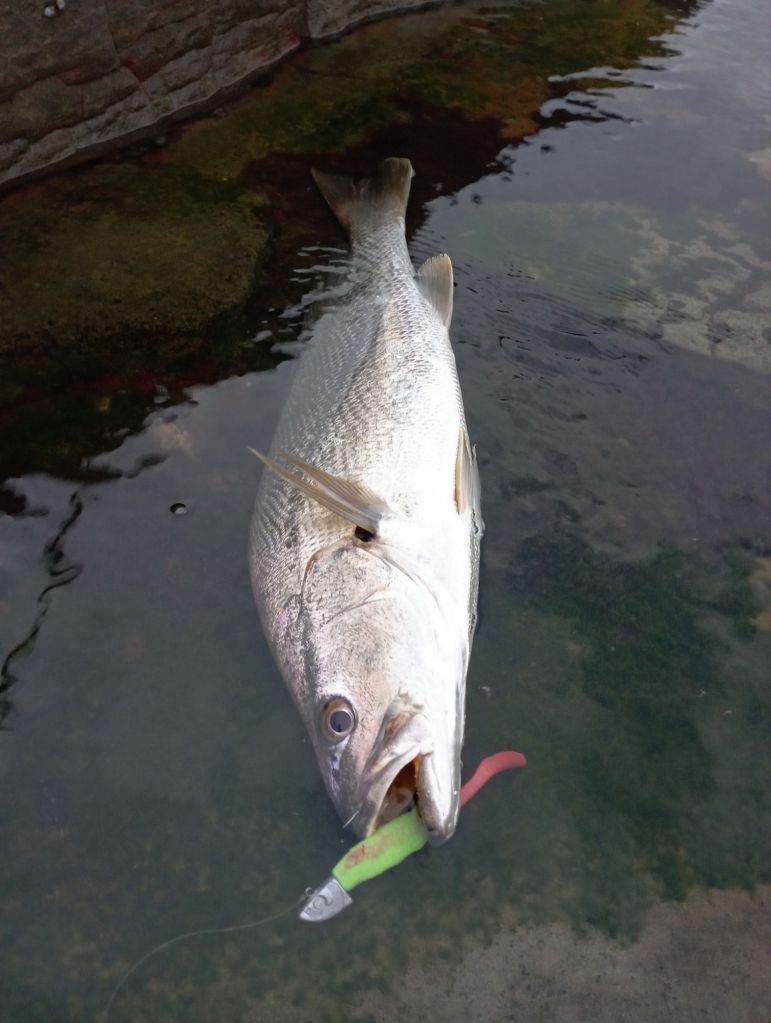
As the mullet rested near the river mouth, the bigger jewfish and ever present sharks got stuck in. A tidy 16 kg mulloway was weighed in at Iluka Bait & Tackle. It was caught after the full moon, in the middle of the morning, close in to the wall on the riverside, while slow rolling a Reidys hard bodied lure.

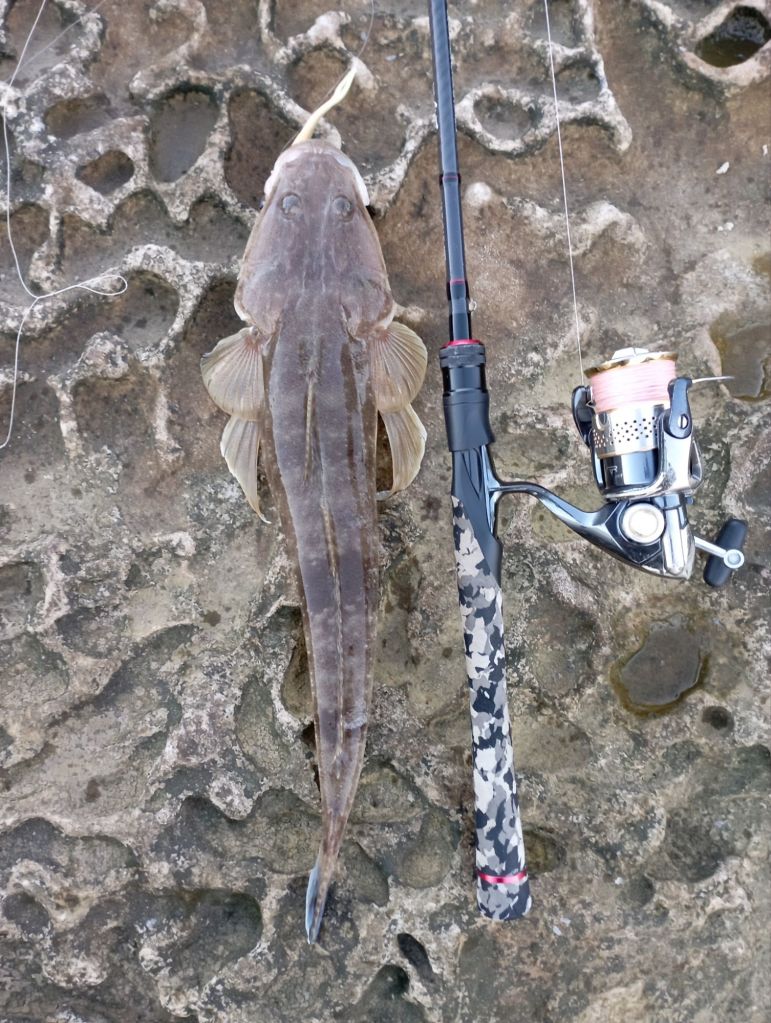
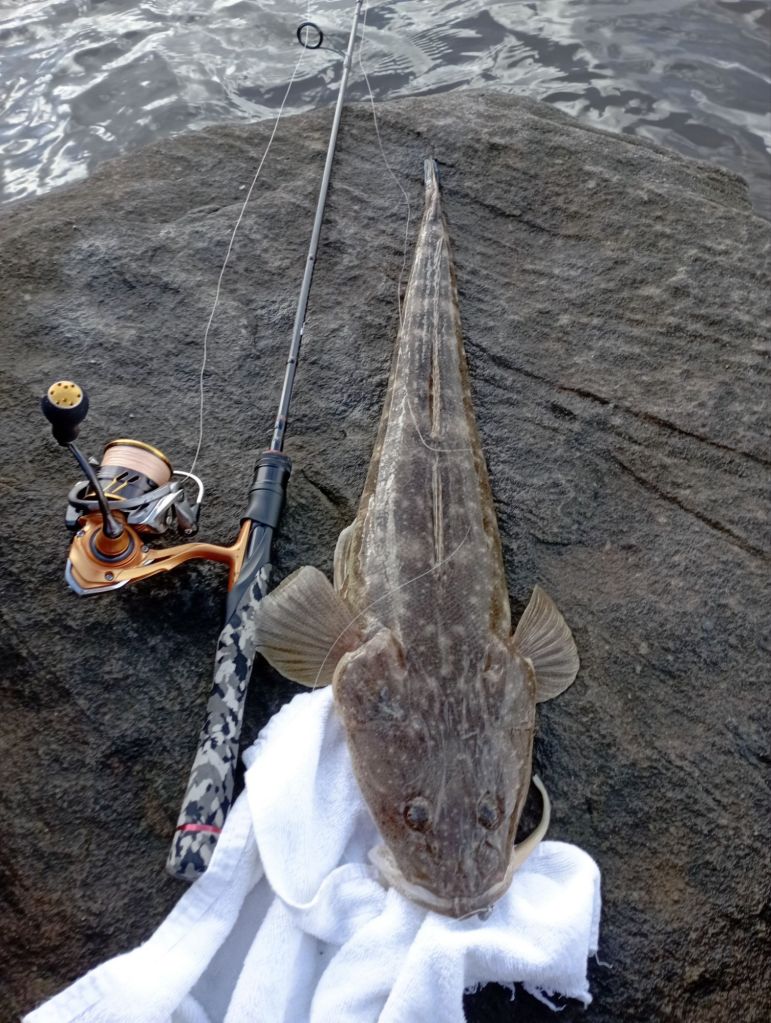
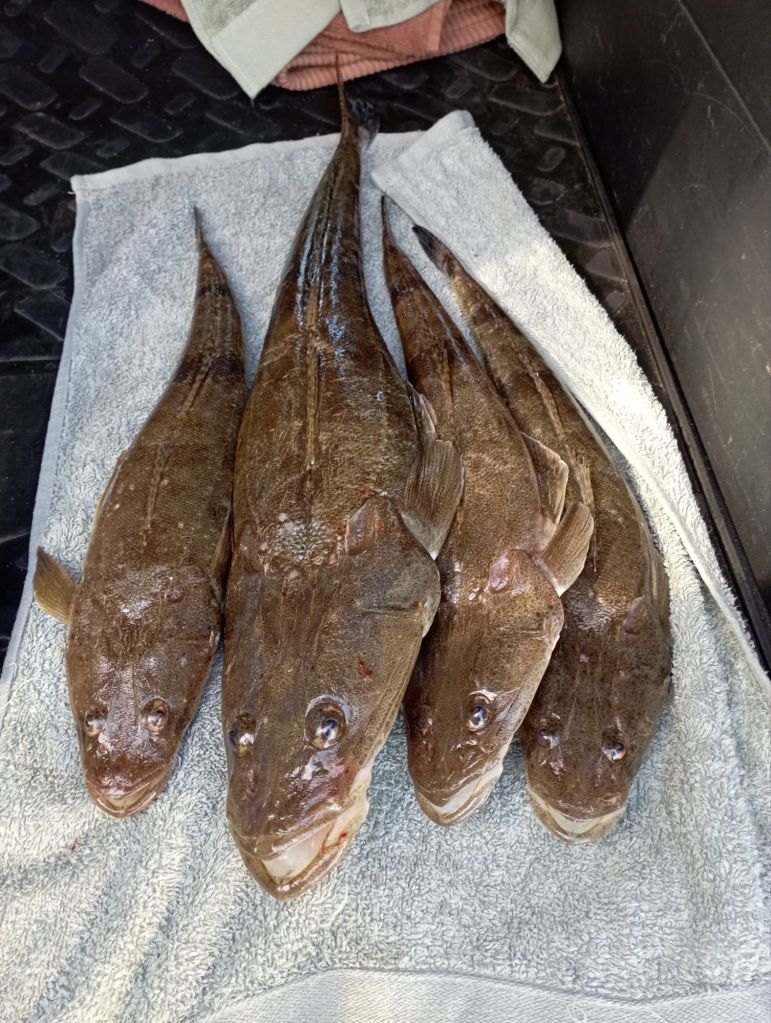
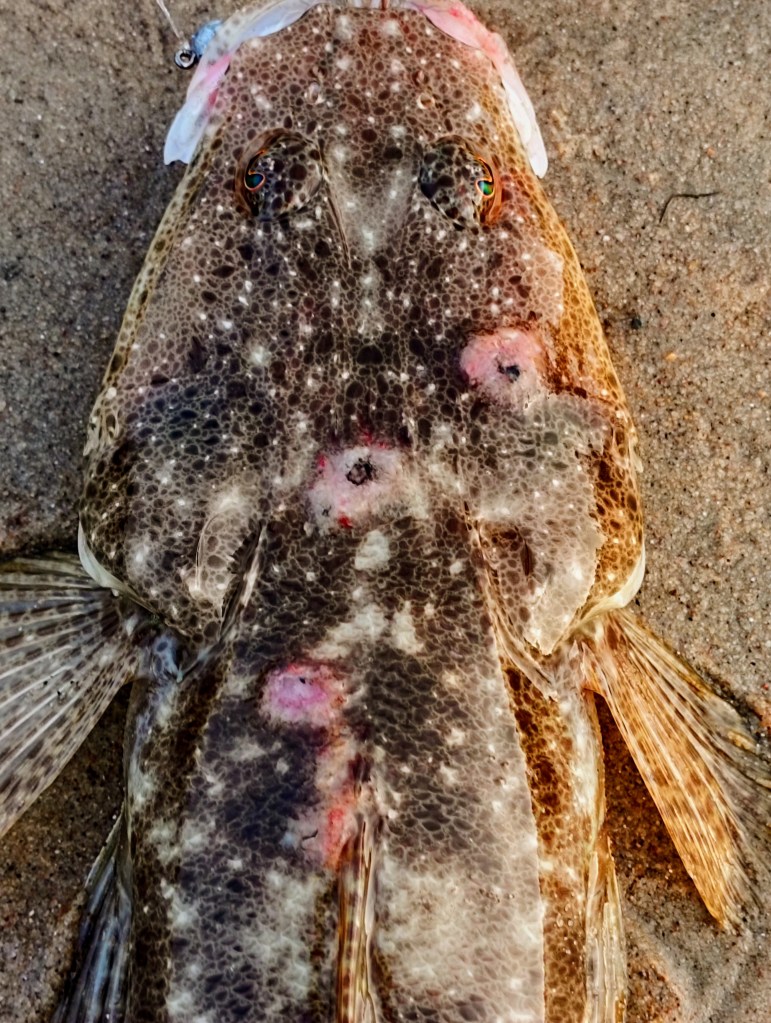
We had a far amount of rain in May but the weather was quite warm. A few storms kept seas fairly high for most of the month. The tailor moved up the river following the bait on the high tides and the dive-bombing seagulls would show you where they were. There were plenty of flathead in close to the banks.

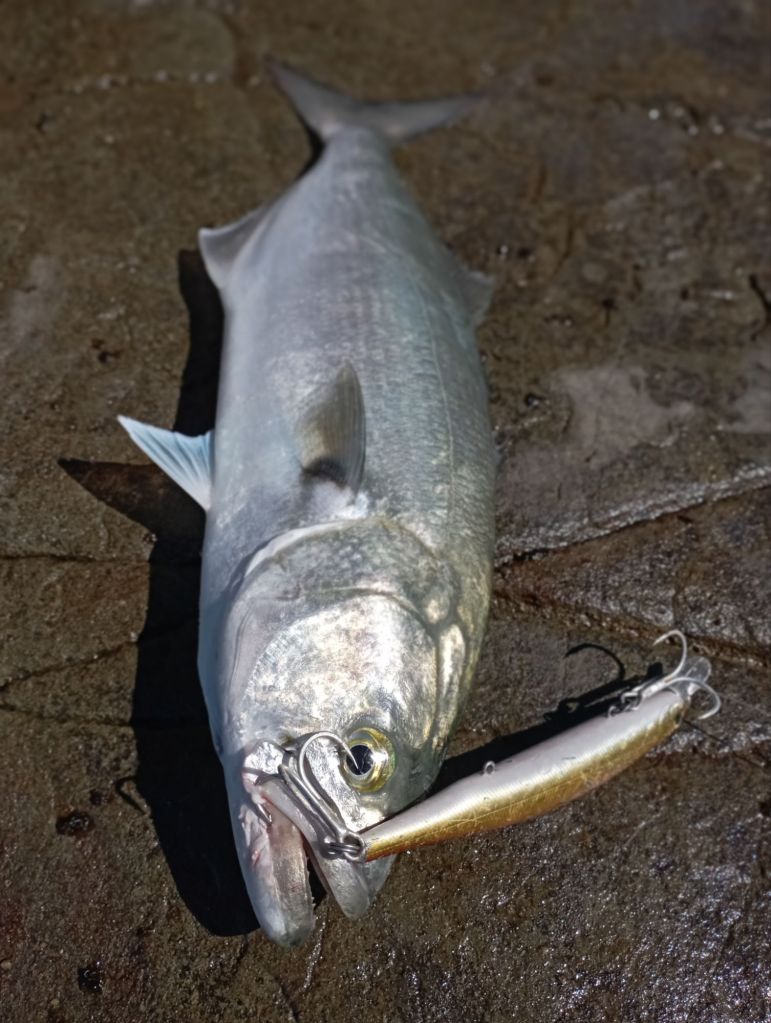
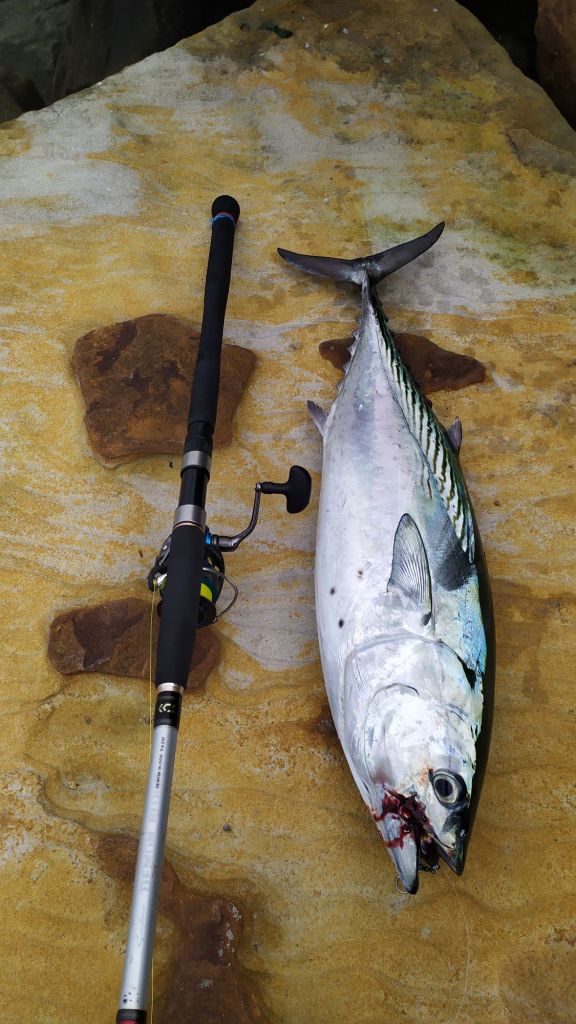
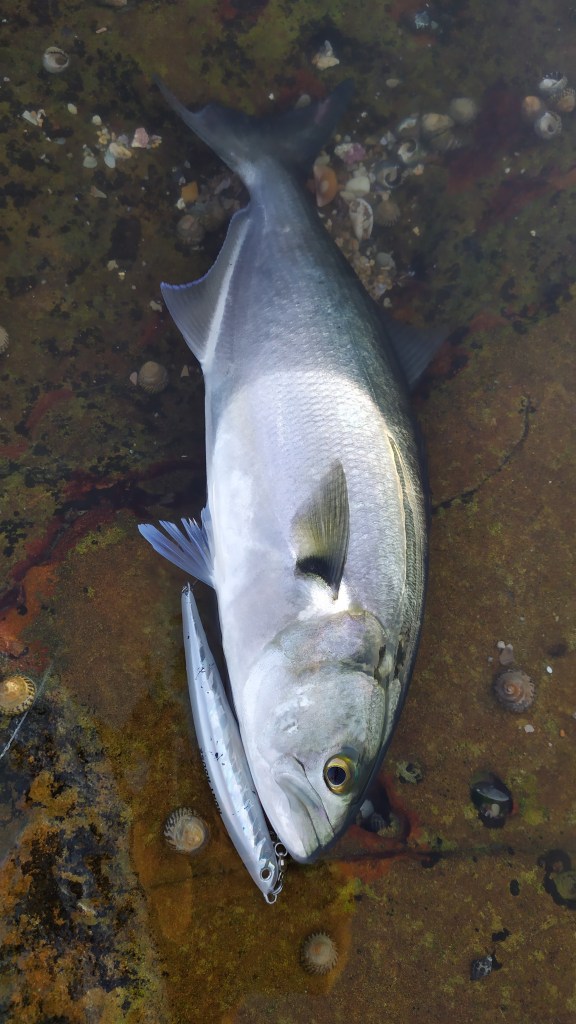
The longtail tuna were still coming and going. I spent a couple sessions around the tide changes casting big surface lures for them. From time to time they came close, but never close enough to cast at. One morning I decided to try fishing the riverside of the wall. I put in an hour of casts with a few soft plastics for no results, so I swapped to a Halco Max 110 mm vibe type hard body. I rig these with single hooks so that I have a chance of getting them back when fishing off the rocks. On my third or fourth cast a speedster grabbed the lure and took off. From the tail beats I could see it was a tuna. The swell was light and I was able to go down quite close the waters edge as the fish ran in ever decreasing arcs. Finally I pulled it up onto a flattish rock and reached down and grabbed it. It was a solid mac tuna.

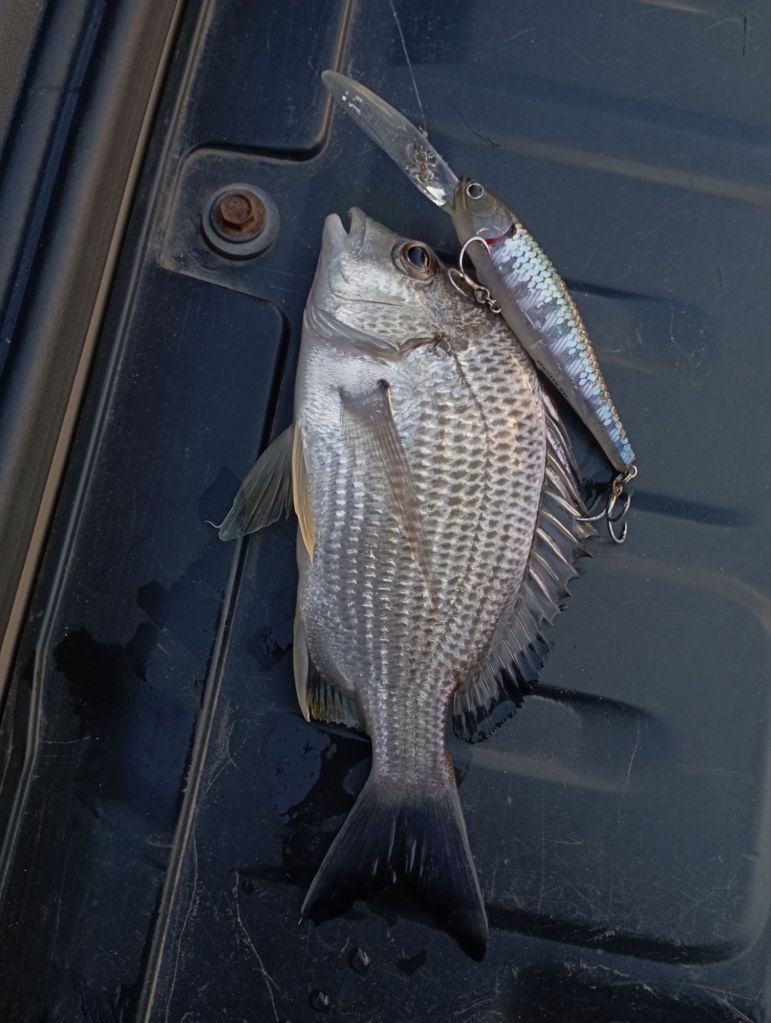
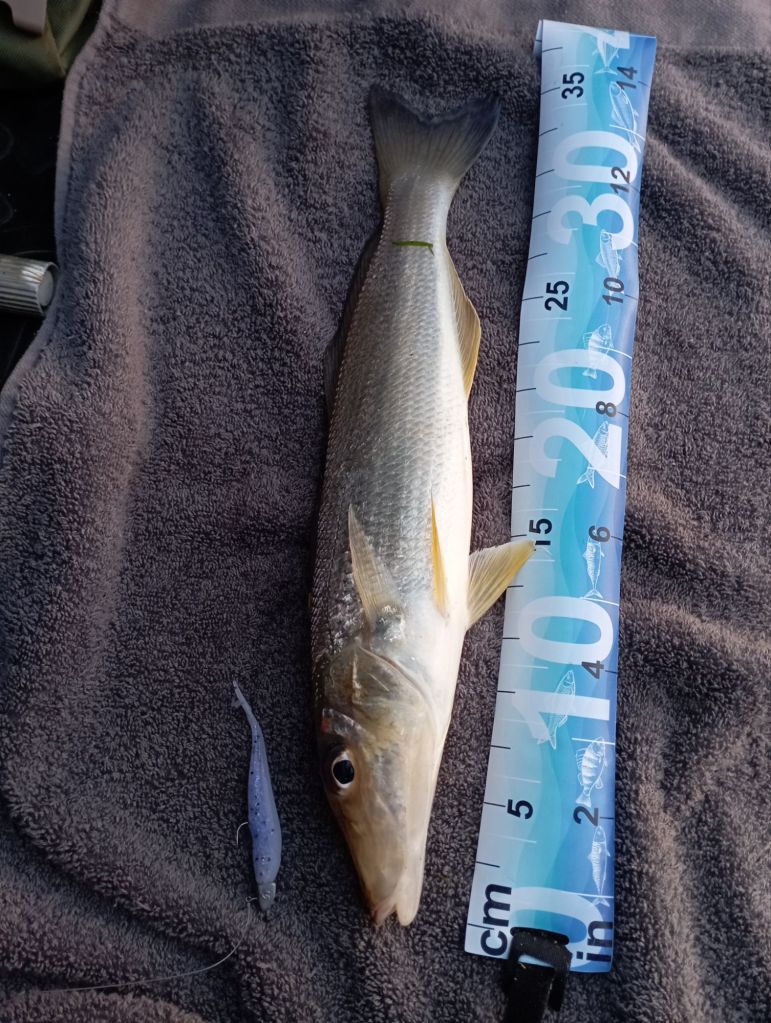
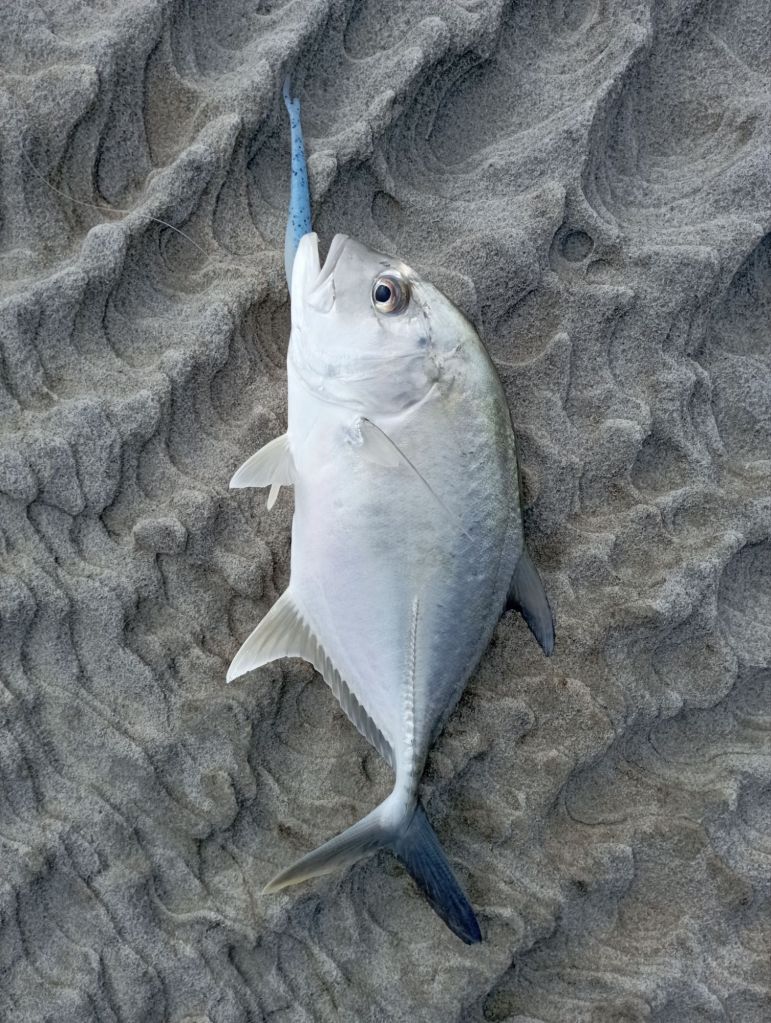
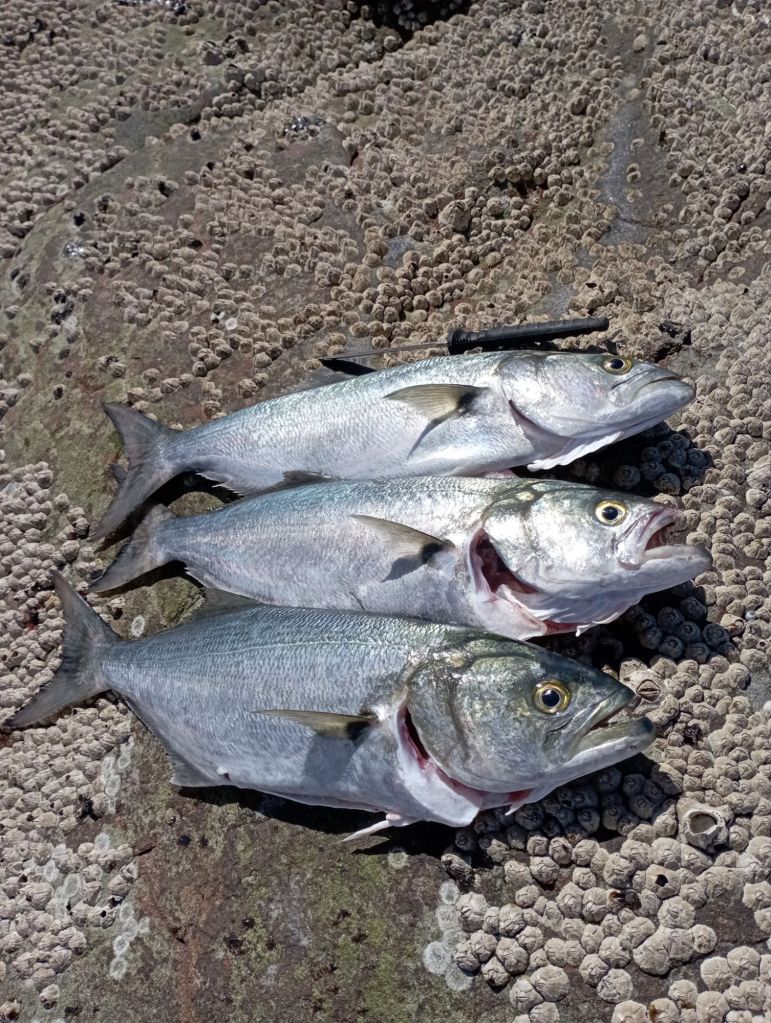
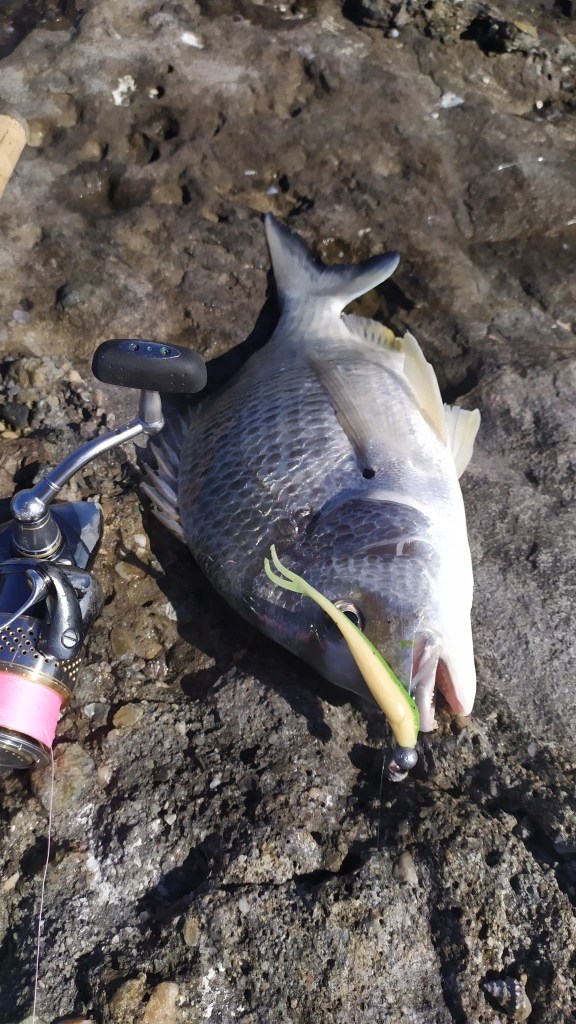
I put in some sessions fishing at Iluka Bluff and landed a some more decent tailor. There were also a few trevally around. When the tailor slowed, I dropped down to the lighter gear – 12 lb leader and 1/6th ounce jig heads. I cast these around in the wash a found plenty 35 cm plus bream. The jewies were also on all the headlands.

May was another great fishing month.

Tasmania – Dee Lagoon Beetle Drop – 30 December 2011

Friday

Fly fishing again – we started at noon and our guide suggested Dee Lagoon. He explained that we would fish from his boat and try to take advantage of a ‘beetle drop’ to sight cast at rising trout.

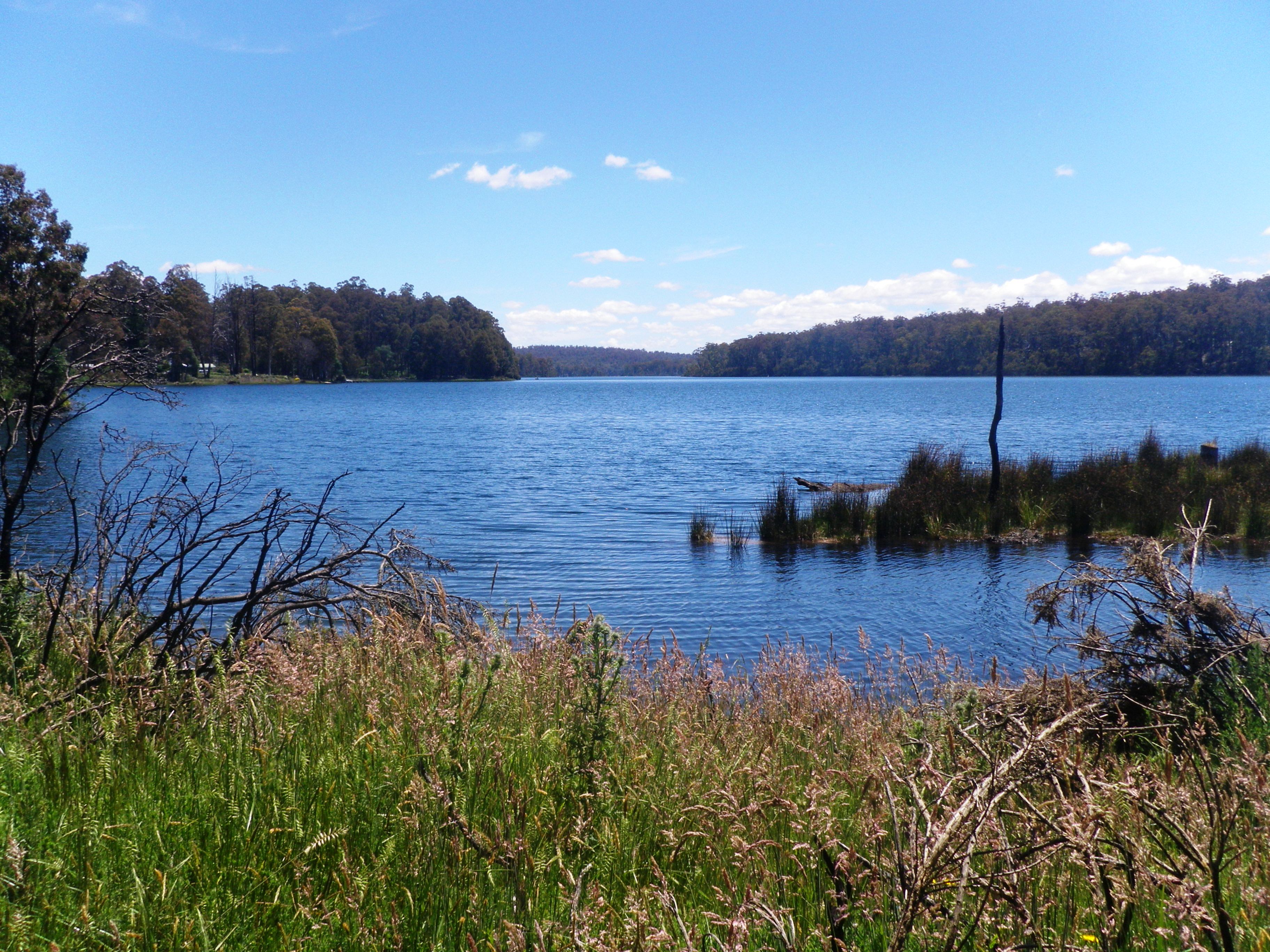
Dee Lagoon - renowned for its beetle drop

A word of explanation for novice fly fisherman – self included. On warm days in the summer months Eucalyptus Beetles (which look a little like olive green ladybugs) hatch in the gum trees beside the lakes and fly around for a bit before dropping into the lakes where they sit on the surface frantically wiggling. The trout scout around below, popping up to snaffle them.

Our plan was to wait until we could see a Trout cruising along the forest fringed shores and cast a Eucalyptus Beetle patterned fly in to its path. We arrived at a likely spot on the north shore but we immediately realized there were a couple of problems with the plan. Firstly, it was a clear, still day with not even a ripple on the surface of the crystal clear water, so the fish would see us coming. Secondly, there were spent Eucalyptus Beetles all over the surface of the water. There were literally thousands of them and they were still falling.

The Trout were cruising the shore line

We cast at a few Trout but they were not interested in our flies. We would watch them turn towards the fly as it dropped, approach it and then turn away. We moved around the lake but the story was similar all over it – there was just too much food around and the fish were stuffed.

At the northern end of the lake we came into a corner called Station Bay where a few small Brown Trout were rising close to the bank. We came in close and put a few casts in their direction but again we could not tempt them.
We tied up against a semi- submerged stump to watch and see if they would continue feeding. A light breeze had blown the spent beetles into a slick with some other debris. I saw a big swirl at the end of it and then I saw a good sized Rainbow Trout – 3 or 4 lbs, just under the surface. It had not seen us and took a mouthful of dead beetles then swirled away. I put a cast to it and it swam in to inspect my fly, then slowly swam away.

Drop the fly between those stumps

For the next 30 minutes it came back time and again. Our guide put every fly he had on and each time the reaction was the same – immediate interest as the fly plopped on to the surface and then, after a quick inspection – rejection. Finally this beautiful fish disappeared.

My father decided on a more direct approach and tied on a wet fly – a small olive coloured sinking nymph. He started to prospect in the deeper water and eventually the line came up tight. But after a few minutes of playing a good fish, the line went slack. When he recovered the line the fly was gone – the 3lb leader was just not enough.

That was it for the day and whilst it had been fantastic to see how the Trout operate, I wanted to catch one. Back to soft plastics tomorrow!

Tasmania – Bradys Lake – 29 December 2011

Thursday

I have left the heavy swells and lumpy seas of Queensland behind and flown south. I am lucky enough to be staying at the Taraleah Lodge in the Tasmanian Highlands, where I am hoping to catch a few Trout.

I opted for a guide as I needed to know when to fish, where to fish and what to fish with. I brought the light spin rod and reel and a range of soft plastic and hard bodied lures, but I accept that in such beautiful country, fly fishing is really the method by which Trout should be caught. My father, who is is an accomplished fly fisherman, was with me and I am keenly aware that he considers prospecting with soft plastic lures rather similar to dynamite fishing.

I last picked up a fly rod when I was about twelve – and that is a very long time ago. Everyone says it’s just like riding a bike – you never forget, but today, as the trout were rising repeatedly less than 5 metres in front of me – I certainly felt like I was flailing the water with dental floss. After a bit of casting practice I remembered just how difficult it is. Trout fishing (like most fishing) is all about stealth but perfecting a fly cast is a messy business. You see a fish rise (break the surface to feed) and you lift your line out of the water to cast just ahead of it. What you intend to do is play out some line with a couple of dummy casts above the water, then drop the incredibly lightly weighted fly gently on to the surface about a metre in front of the fish. What actually happens is one of the following:

1 – Your fly catches in the undergrowth behind you, on the long grass or trees, on the first back swing.
2 – You fly hooks firmly into your ear on the second back swing.
3 – Your dummy cast skims the surface of the water with a loud splash, spooking every fish within ten metres.
4 – The line goes back nicely over your head but as you bring it forward it concertinas in front of you and the fly – lands less than a metre in front of you.

Finally, a full two minutes after the Trout has swum away you put the fly where you want it. Put simply, it’s hard and I really struggled.

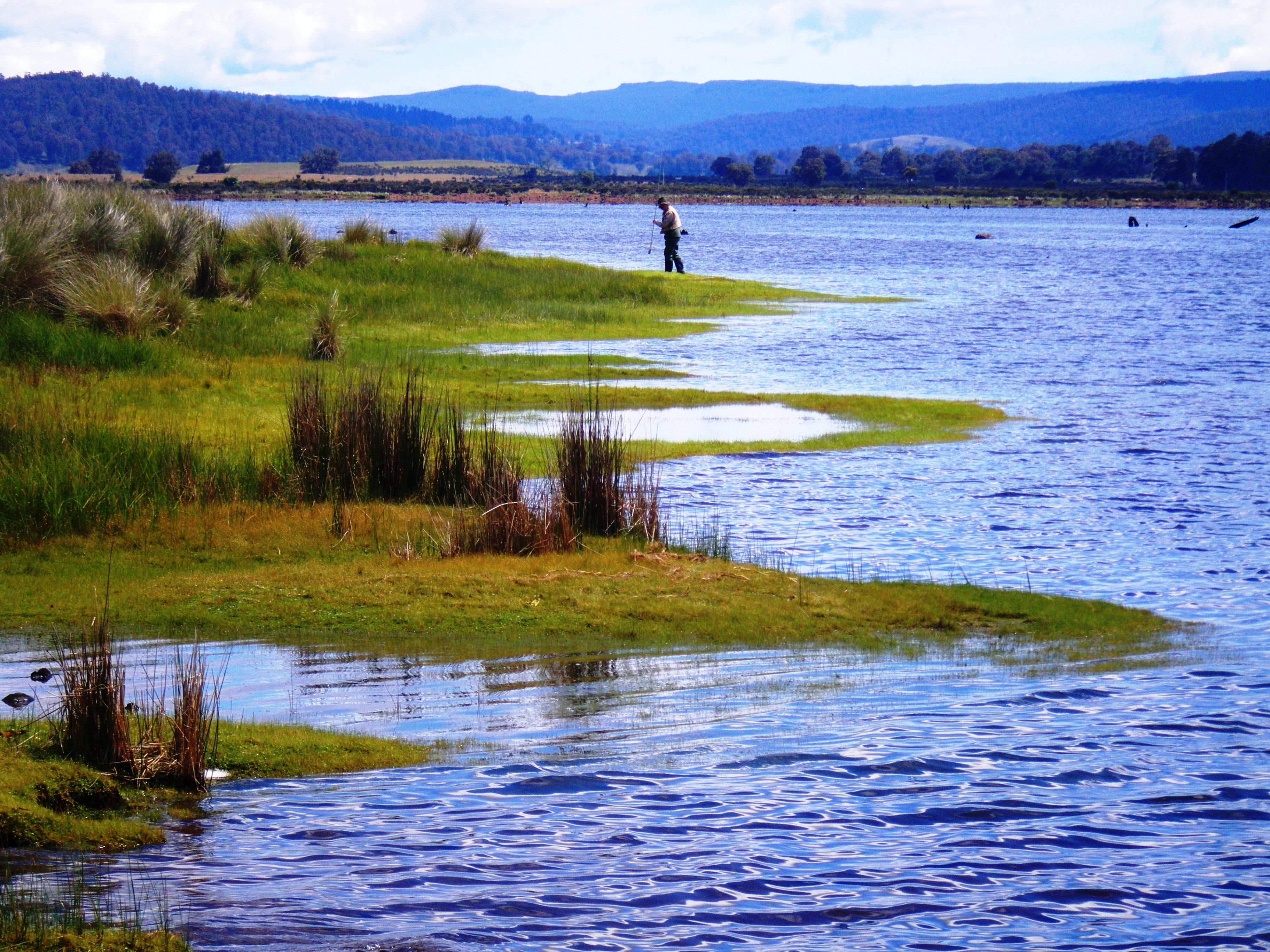
Murray, our guide, took us to the Bronte system which consists of four lakes created in the 1950’s as part of the hydro-power scheme that sends power across Tasmania. He started us off on the western shore of Bradys Lake where trout can often be seen in the shallows. There was a light cool breeze ruffling the water at about 10.00 am.
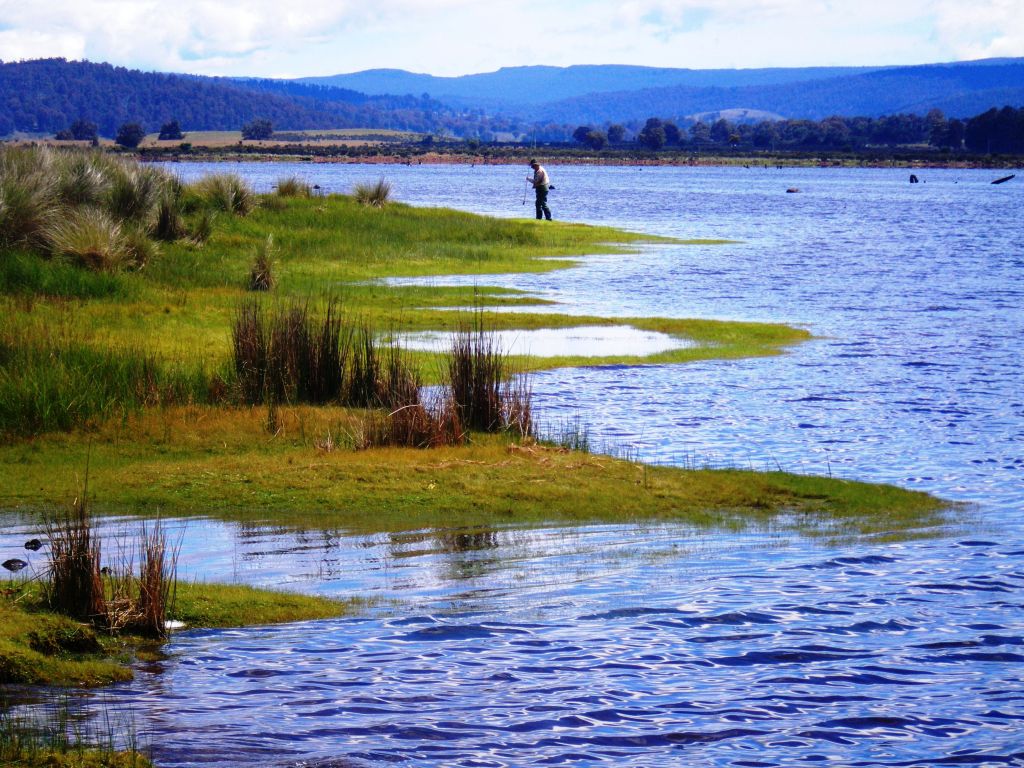
Bradys Lake


There were various insects buzzing above the water, in the shallows and every now and then a small Dun would pop up on the surface. The Dun is a small winged insect and it emerges from a larva that has matured on the bottom of the lake. When it’s ready to hatch it floats up to the surface and the wings pop up like a little sail. They then blow around on the surface, drying out until they are ready to fly away. The Trout will eat them at all stages of this cycle, but they get particularly excited when there is a big hatch and the Duns are popping up all over the water. You can either target them with a fly that looks like the larval stages (nymph) and sinks – a ‘wet’ fly, or you can target them with a fly that sits on the surface – a ‘dry’ fly. If you want to cover both bases you can tie on a dry fly with a wet fly trailing underneath.

This was the set up my guide gave me. It has the added advantage of making it easier to spot a fish strike. When the dry fly (in this case a black foam bug with a red and yellow dot on its back called a ‘Chernobyl’) is pulled under, you strike. We fished for an hour at Brady’s Lake and then our guide suggested a move to the southern corner of Bronte Lagoon. This was another shallow area with weed clumps, tree stumps and fallen trees and it looked very promising. As we arrived a good size Brown Trout broke the surface to snaffle something. We started casting wherever we saw the fish rise. But my poor casting made it tricky.

A good guide saves time and can put you on to the fish

After another hour I was casting more effectively and I was able to put the fly close in to a clump of weed where a fish had been repeatedly feeding. Murray suggested I just let the fly float past – no need to strip line to move it – just let the wind push it past the weeds. I did this a couple of times and then to my surprise the Trout came to the surface and took a swipe at the Chernobyl, instead of the trailing wet fly. I jerked the rod up but I missed the fish.
We carried on until about 2.00pm but I never got any closer to catching one. It was a good introduction to how tricky this type of fishing can be.