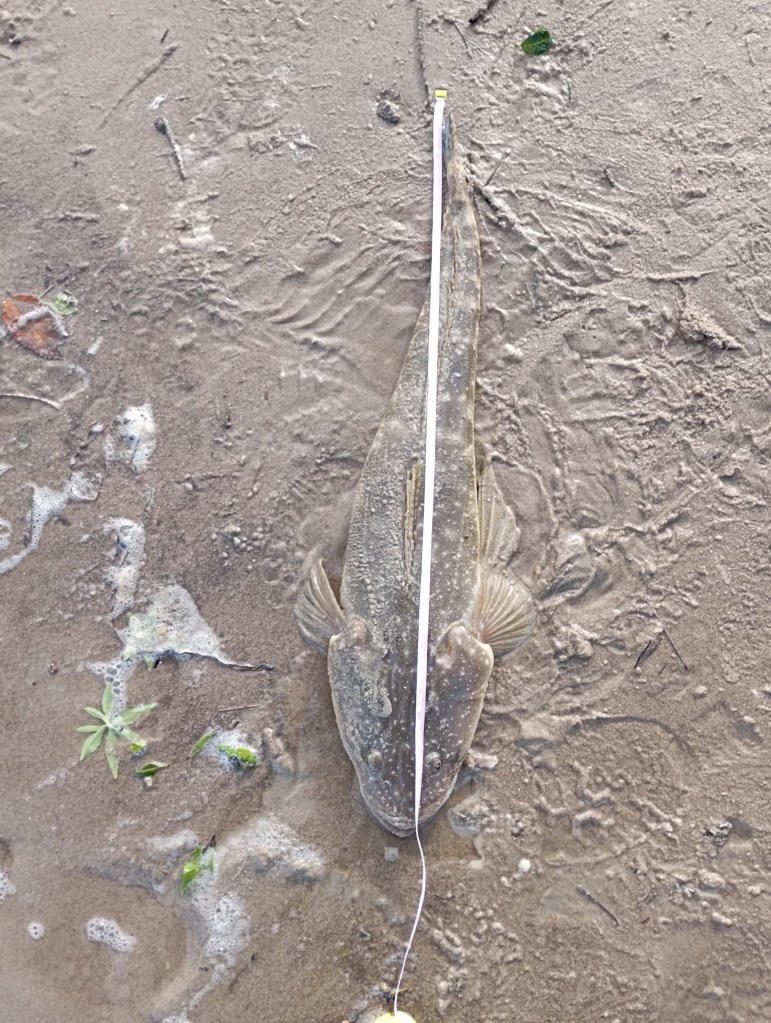
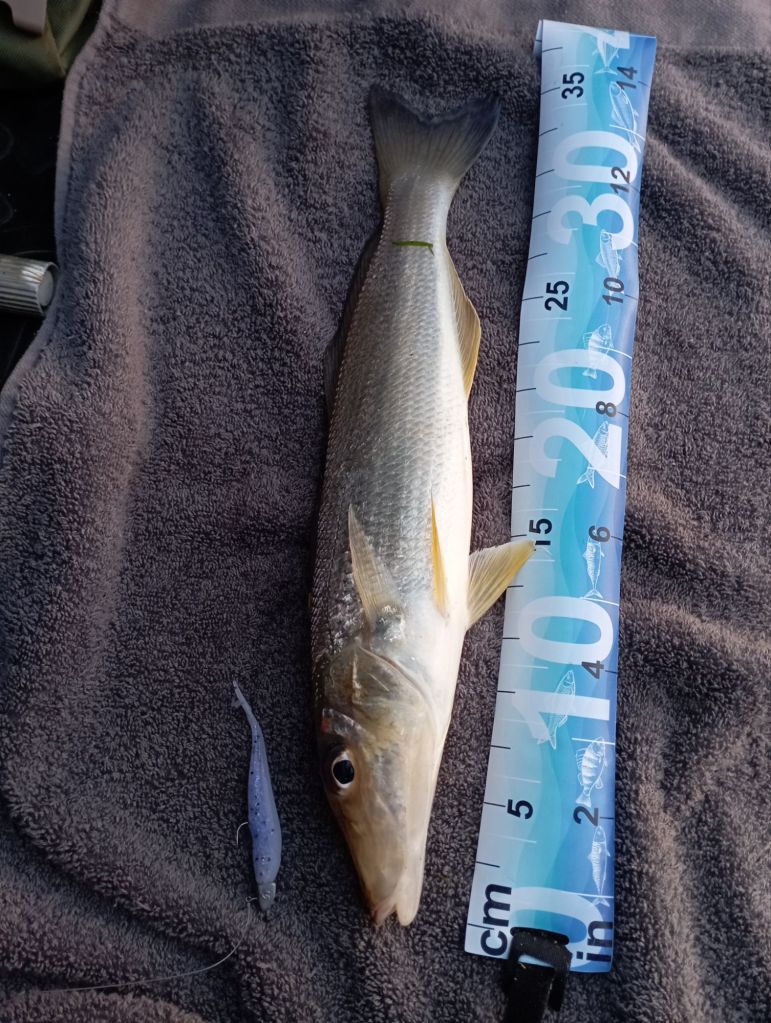
Iluka – The Clarence River and the Bundjalung Headlands – November 2024

Sea surface temperature was about 24 Celsius through most of November 2024, well above the long term average of around 20 Celsius.

The weather was kind with not too much rain and light seas. This meant I was able to fish the rocks on both the full and new moons. There was a new moon on the 1st and another new moon on the 30th with a full moon on the 16th, in between the two.

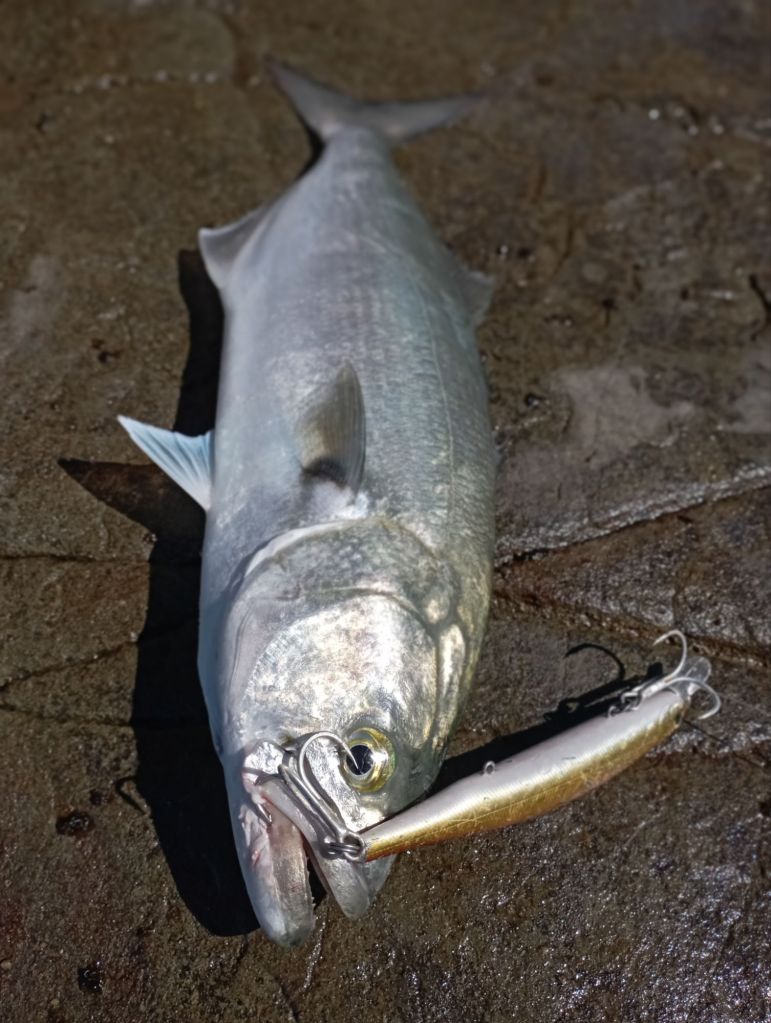
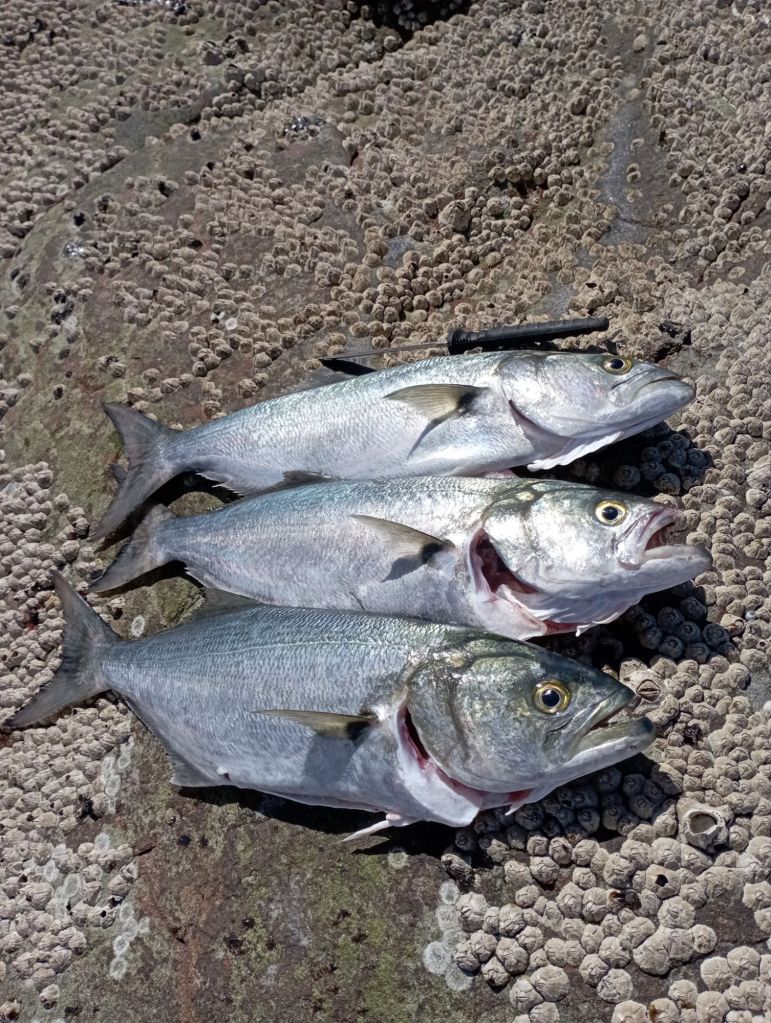
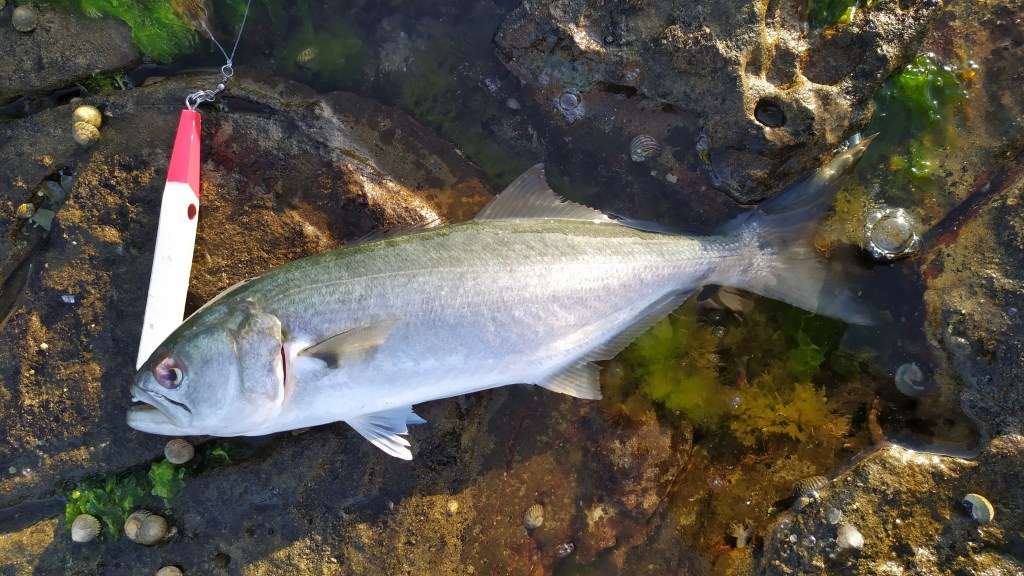
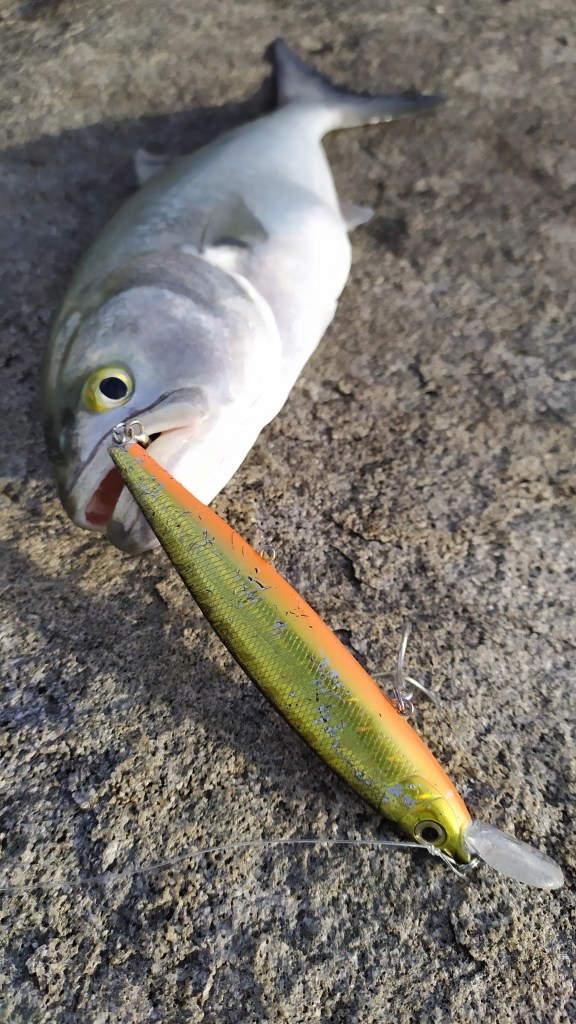
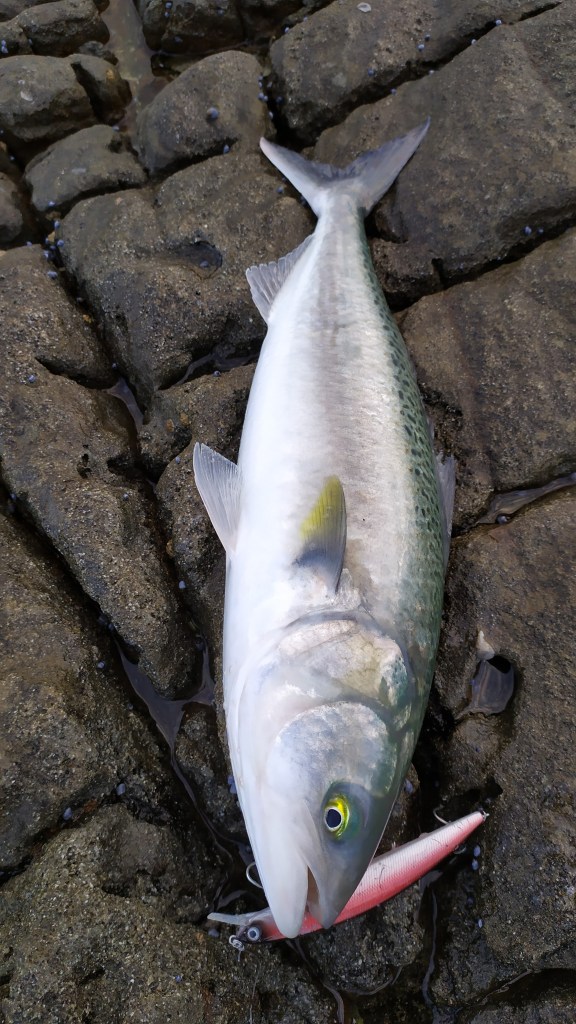
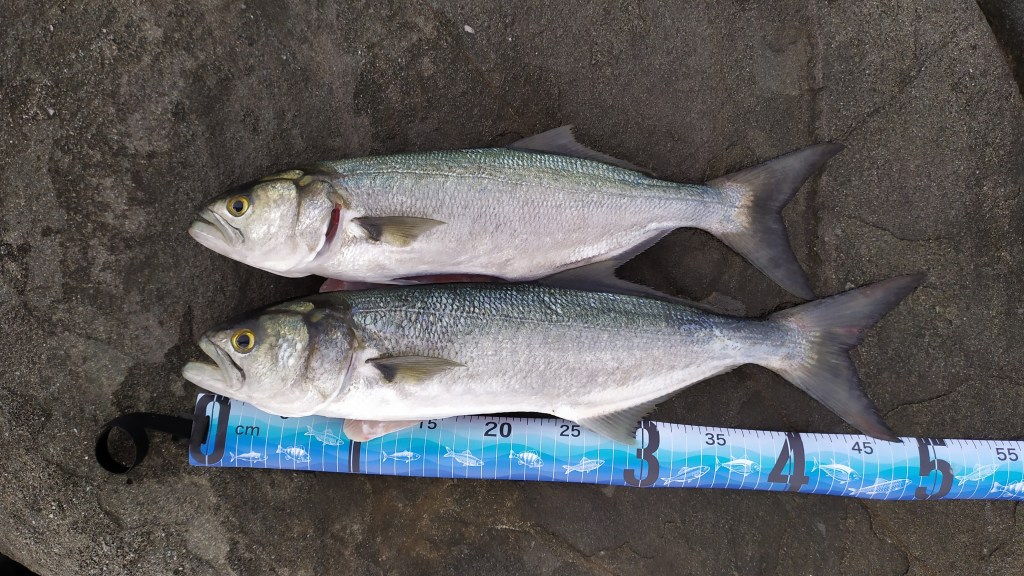
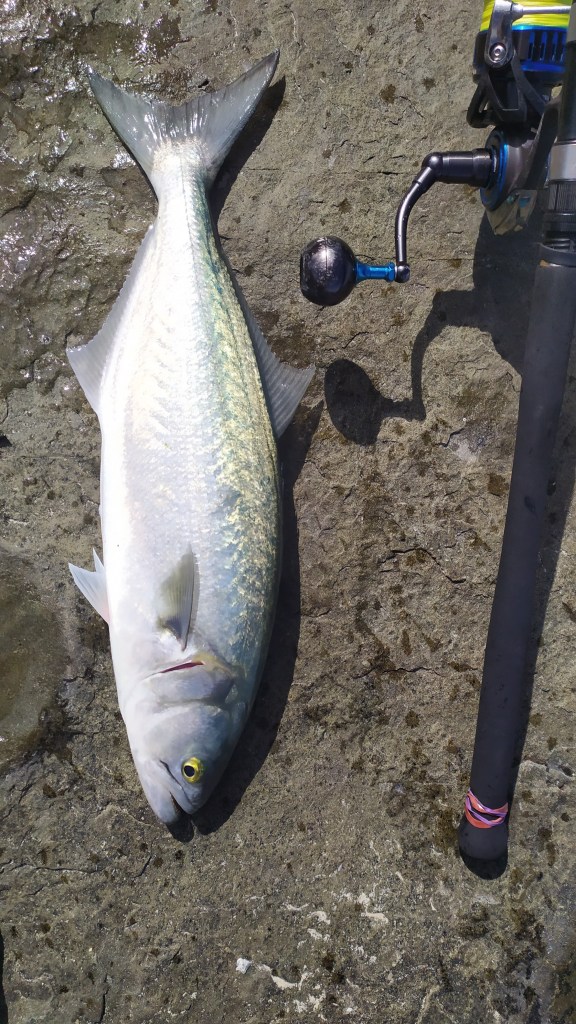
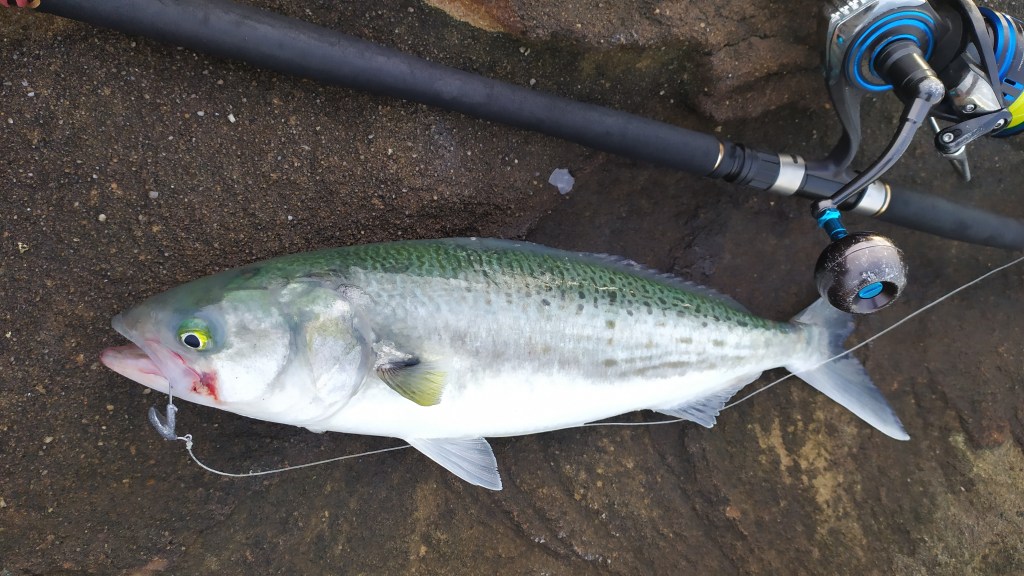
I caught plenty of tailor through the month. They would often destroy my soft plastic when I was trying to catch a jewfish. They were generally quite big, ranging between 45 cm and 60 cm. When I swapped my lure to a big surface popper or garfish shaped stickbait, I tended to catch bigger fish.

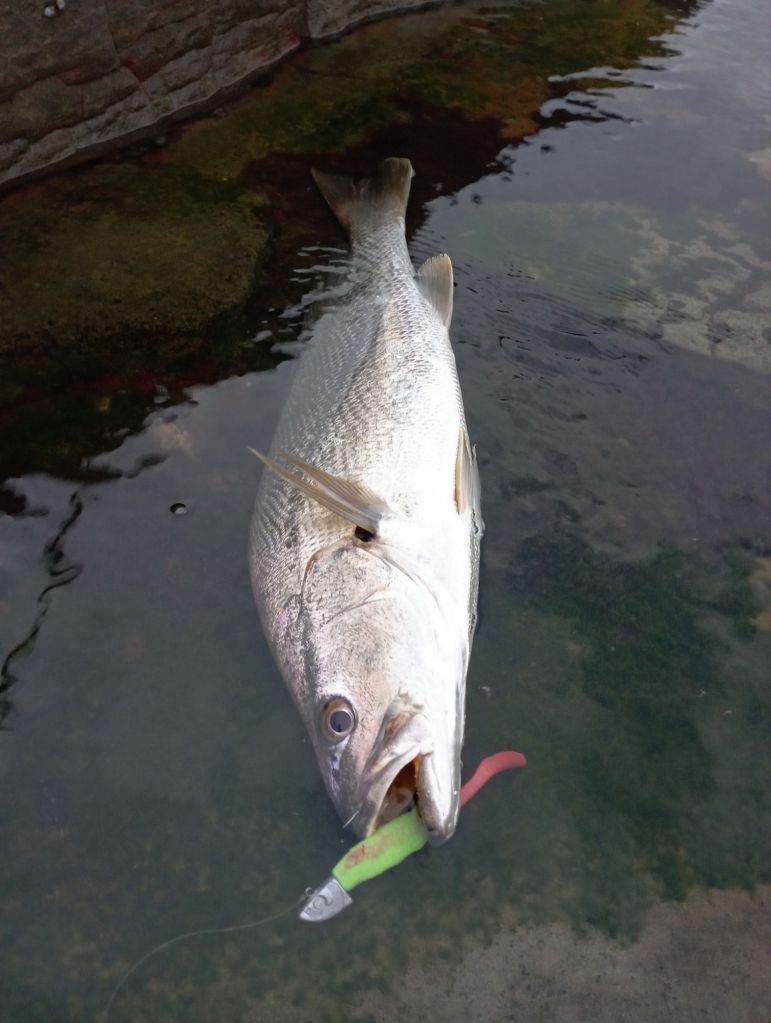
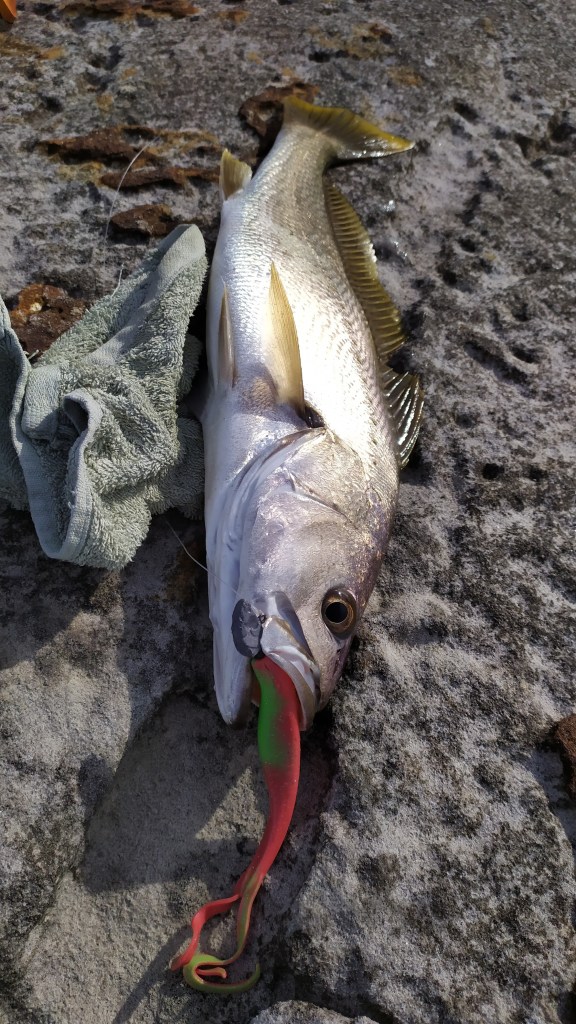
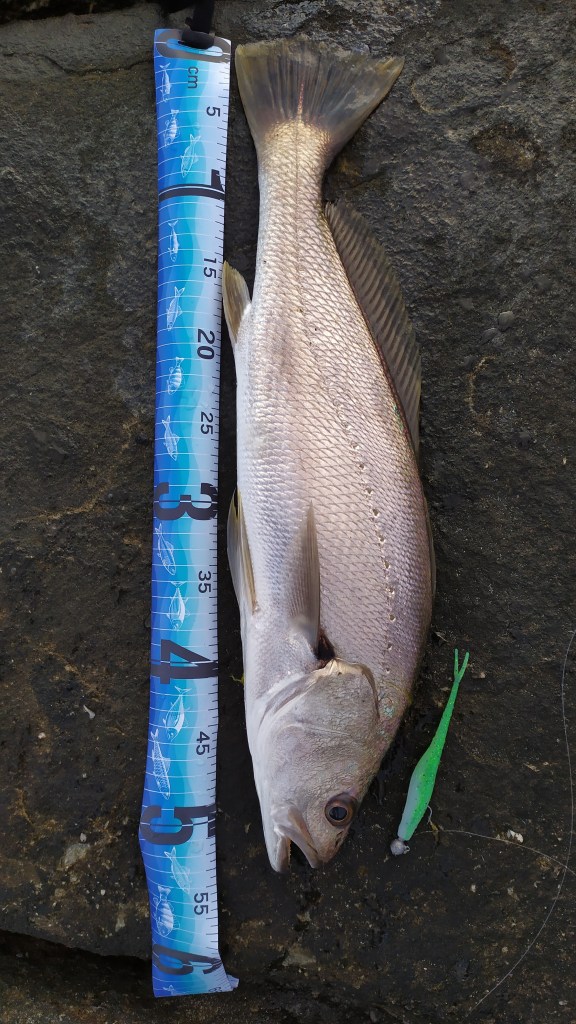
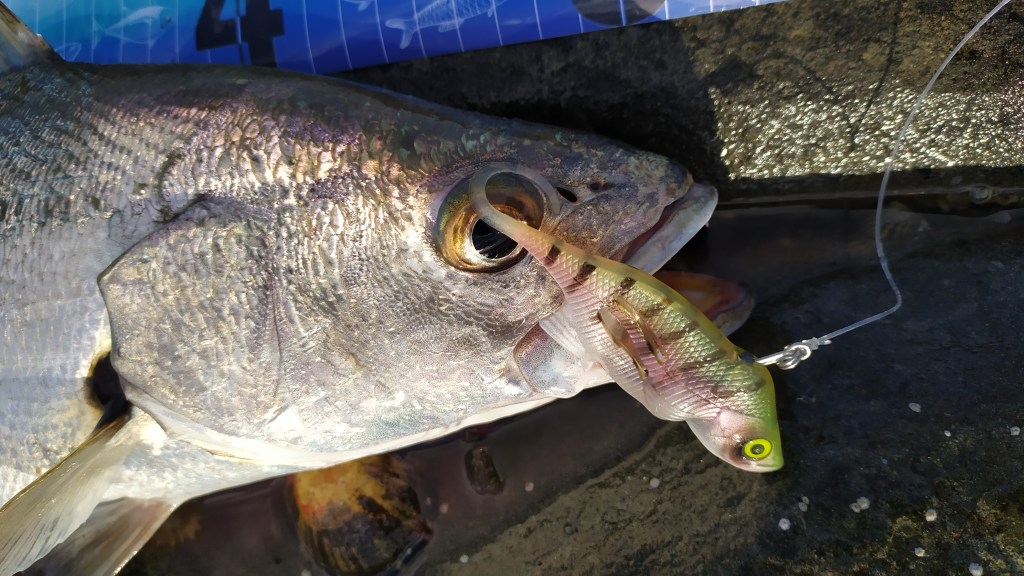
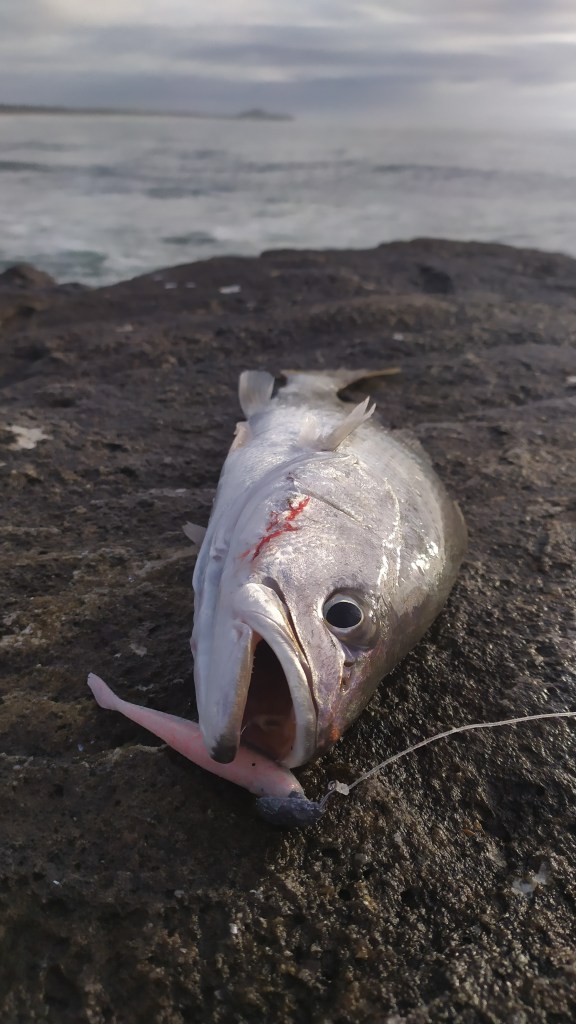
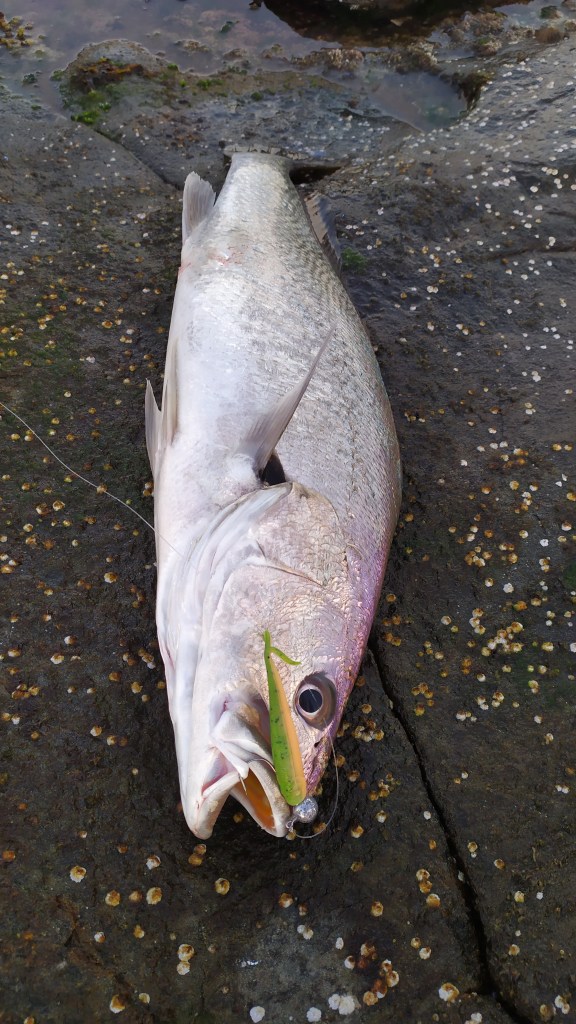
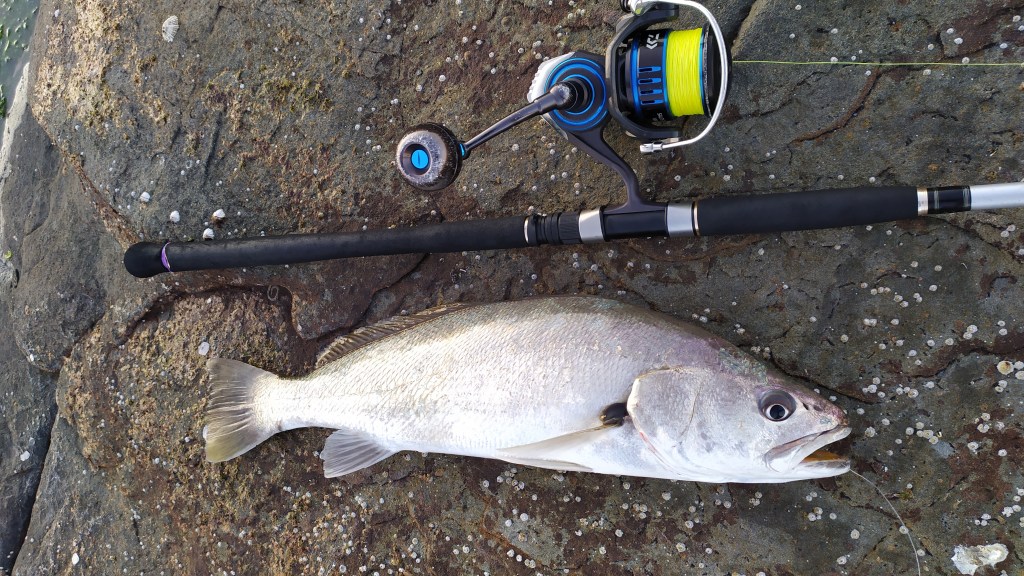
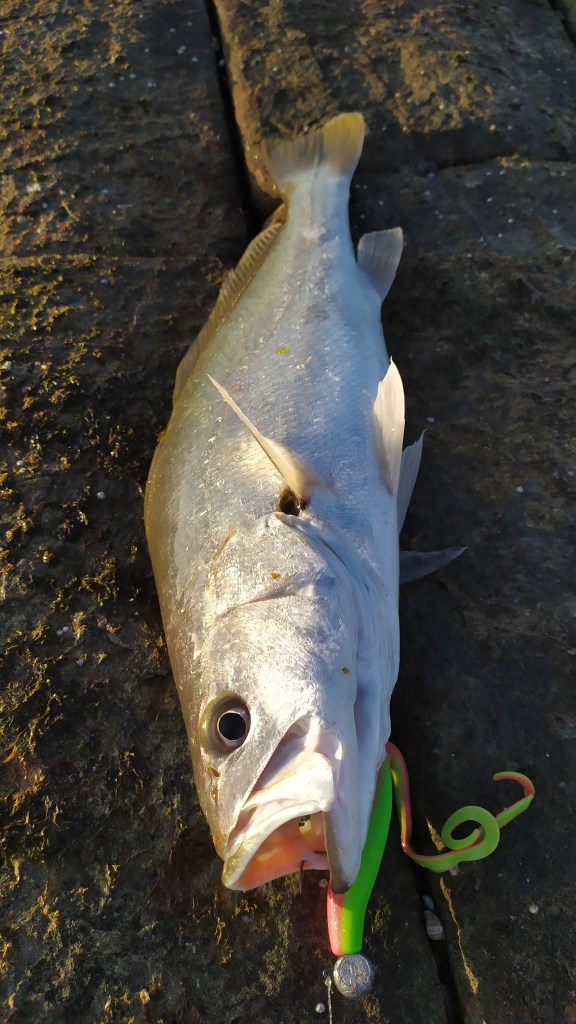
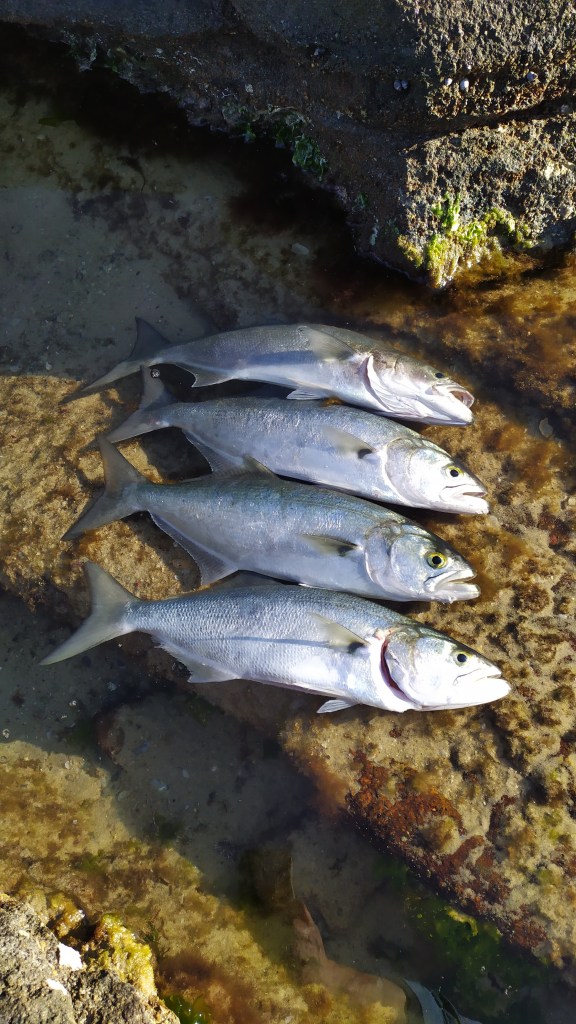
I also caught plenty of jewfish (approximately 35 over about six sessions on the headlands). I usually found them when I was fishing close in to the base of the rocks with big GULP soft plastics. I was set up with 50 lb fluorocarbon leader down to 1/2 ounce or 3/8th ounce jigheads, depending on the amount of swell. I used to favor using the lightest jigheads possible but I have recently been fishing heavier to make sure my soft plastics hit the bottom fairly quickly. When things are slow/tuff I often go lighter with both jigheads and leader, to get the strike.

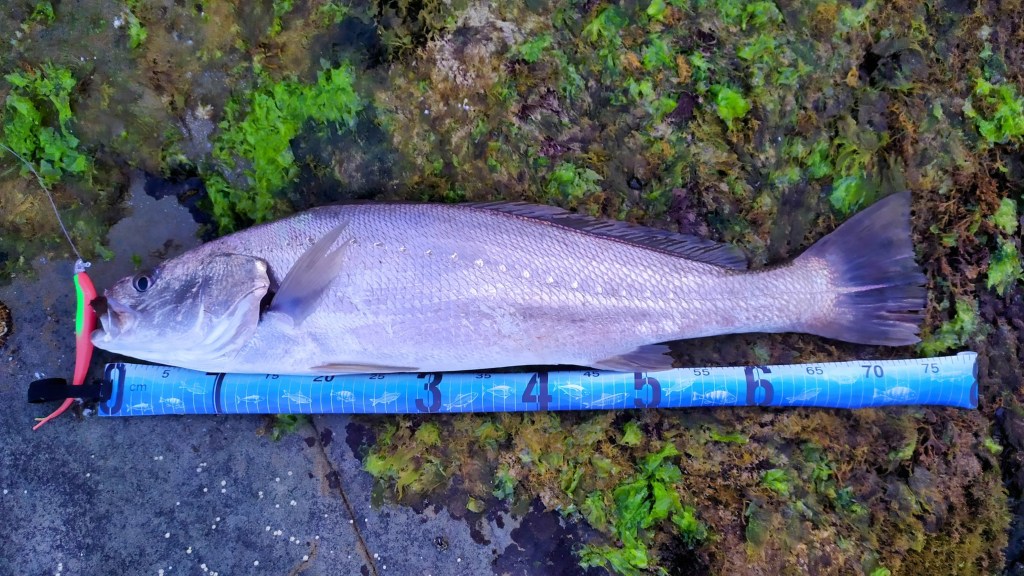
The best jewfish / mulloway fishing session was on the 5th, just a few days after the new moon. I caught three keeper size (all over 75 cm) and 5 smaller ones. I caught the two bigger fish in quick succession, about an hour after low tide.

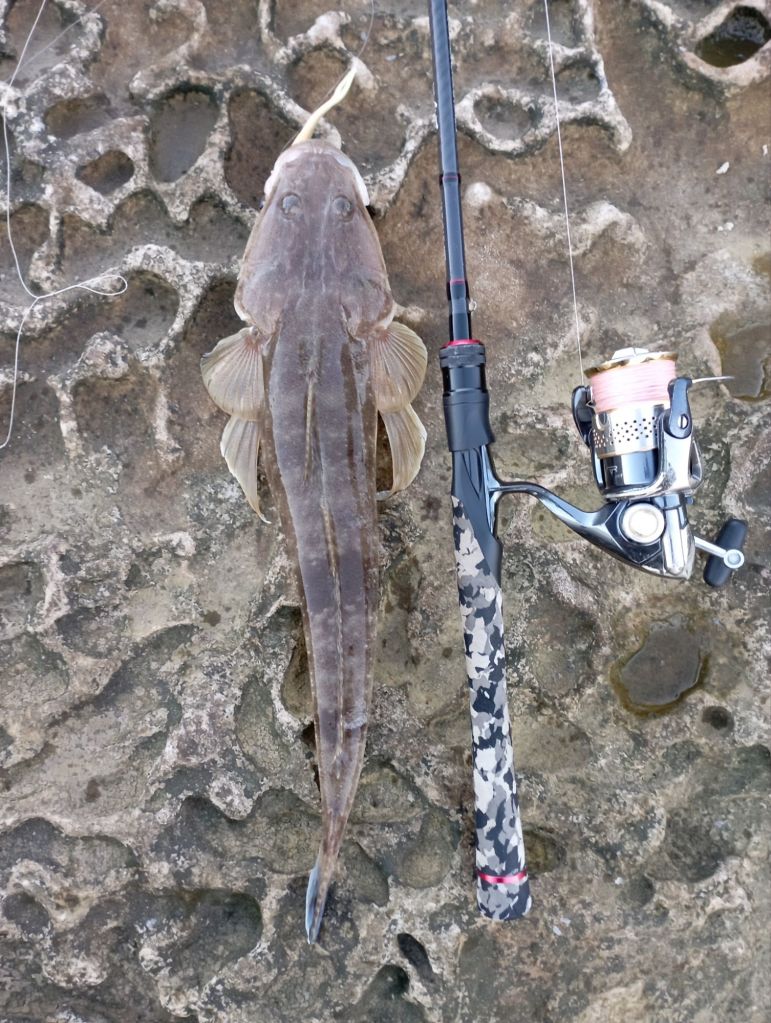
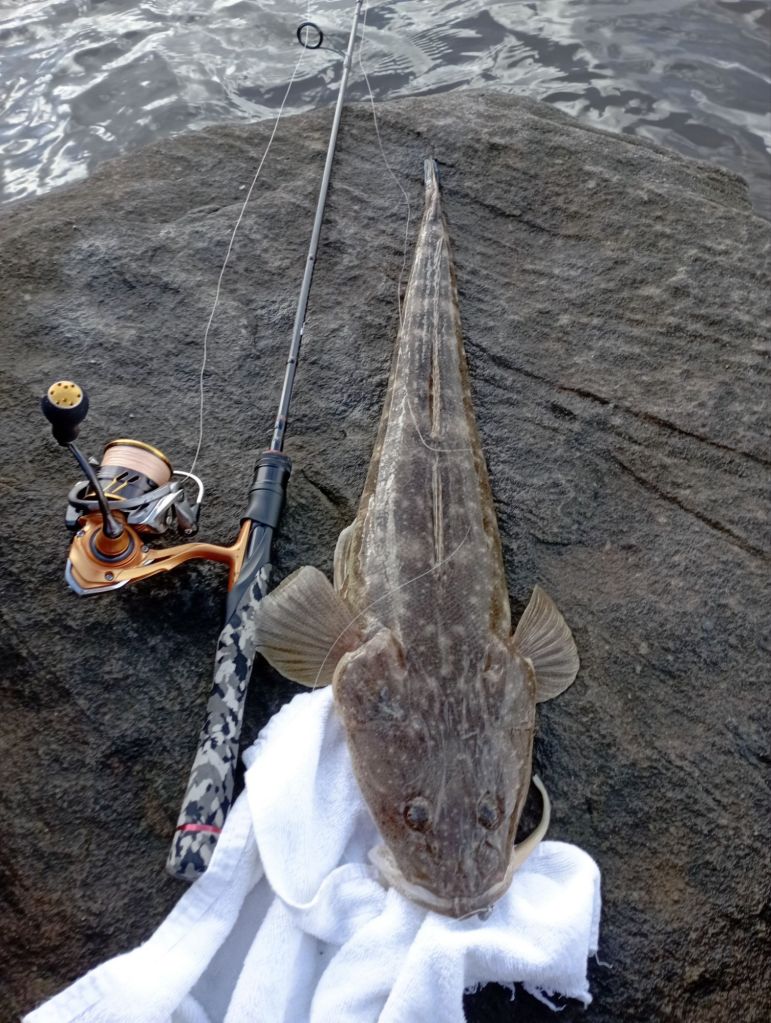
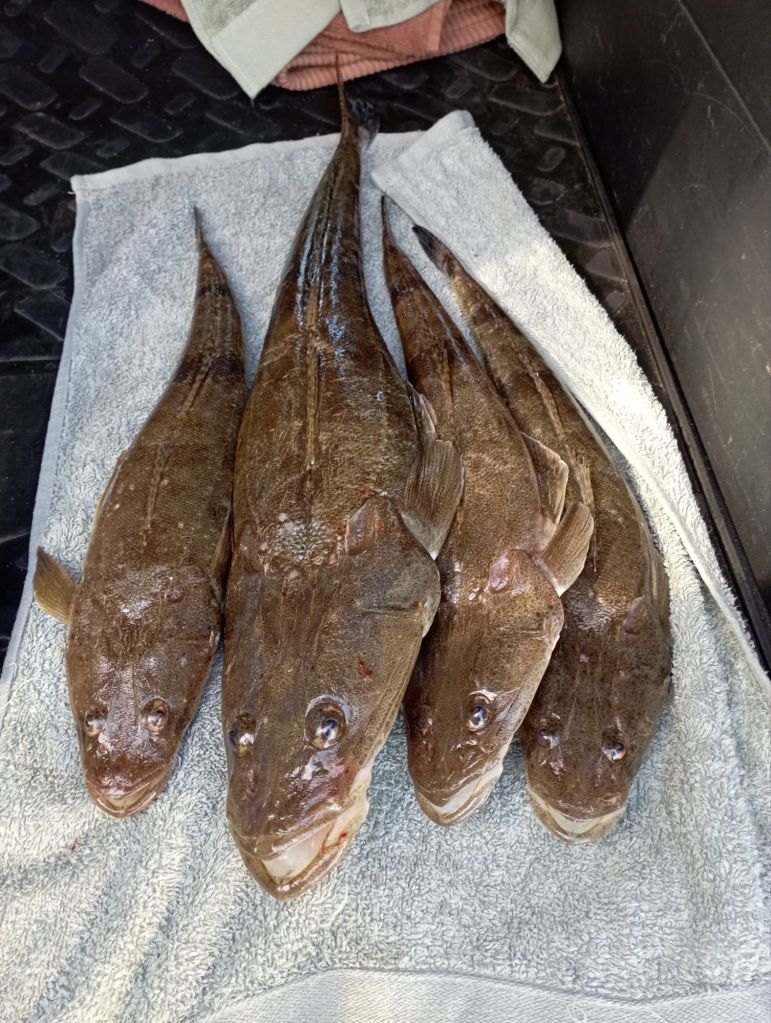
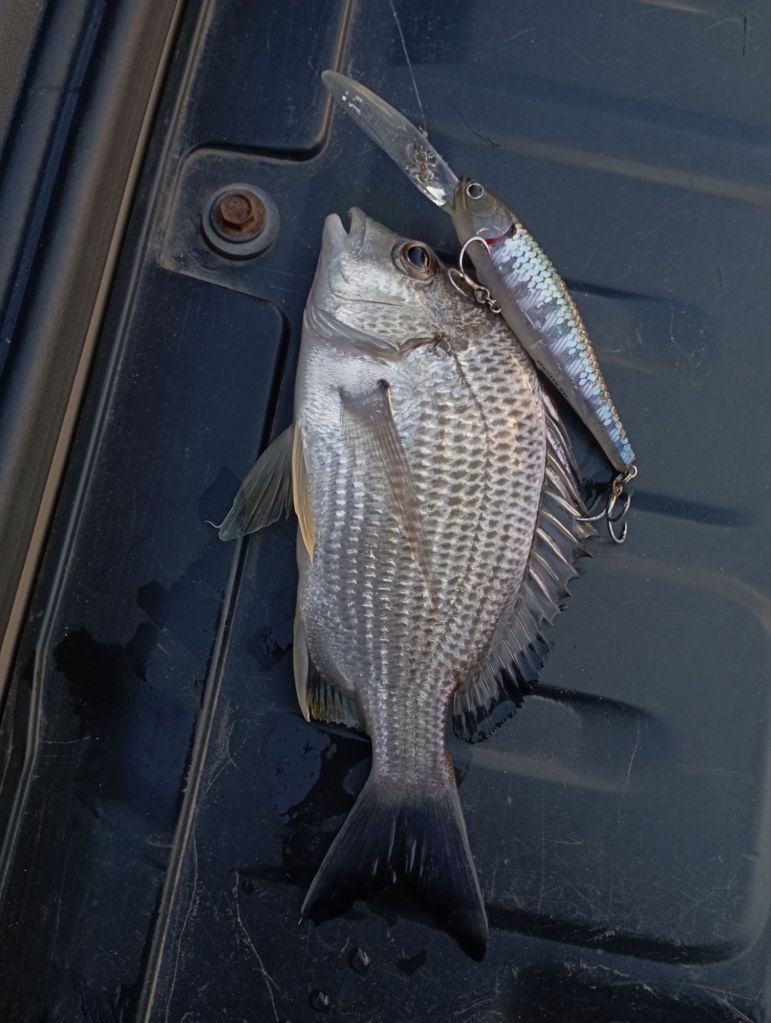
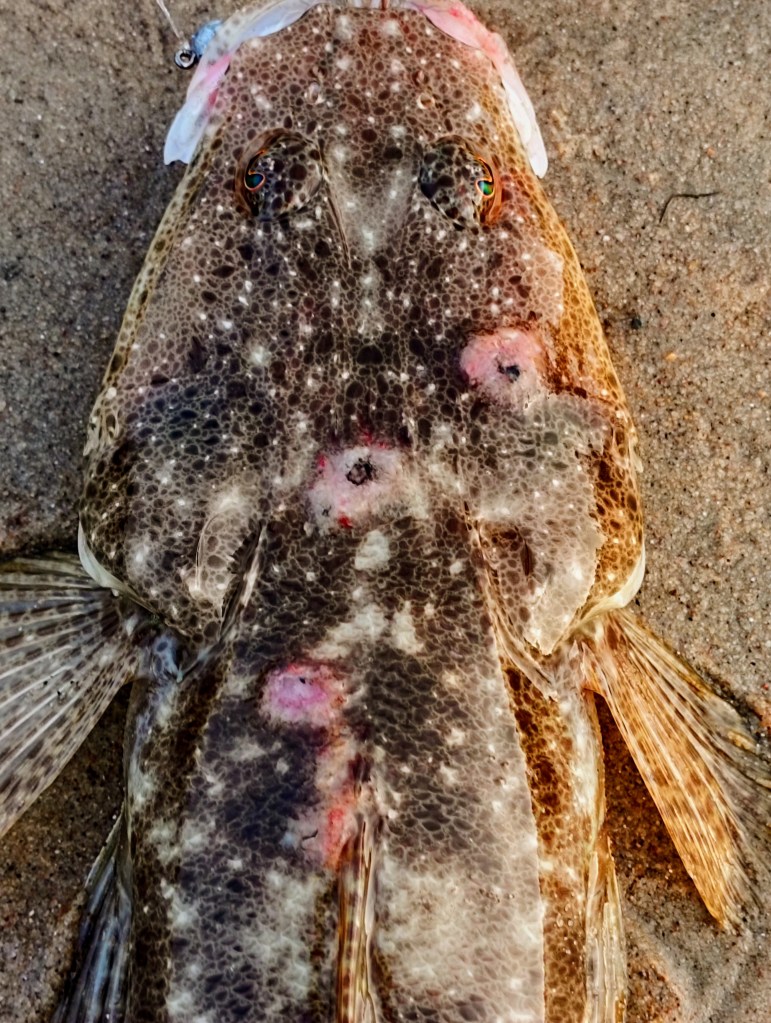
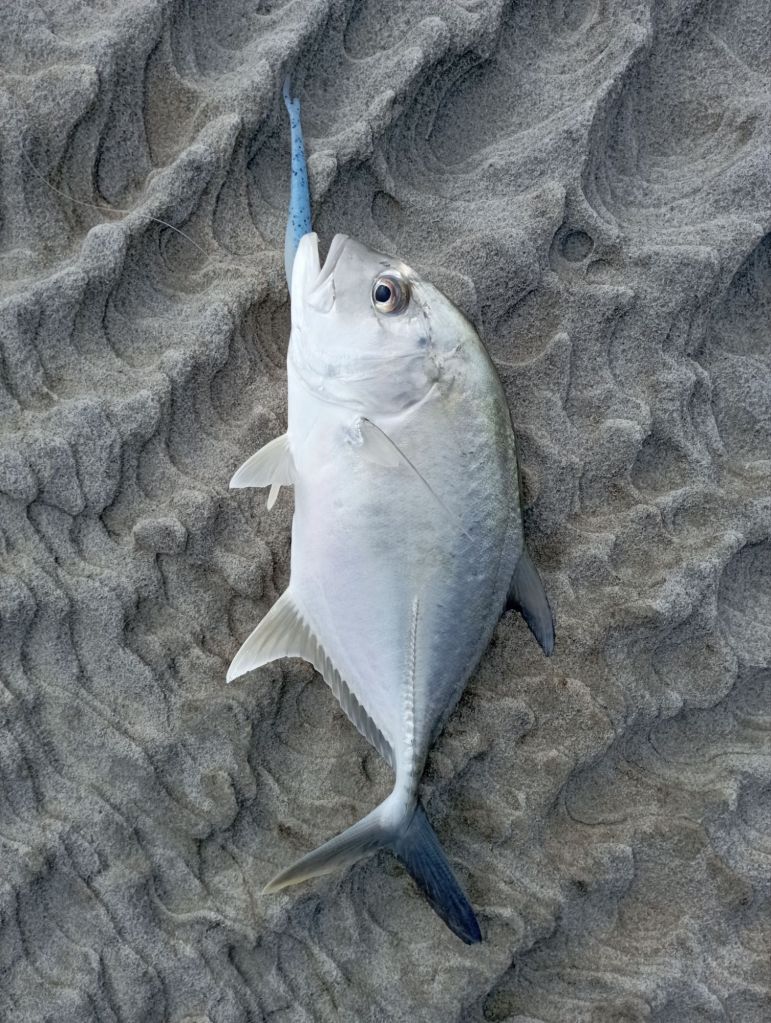
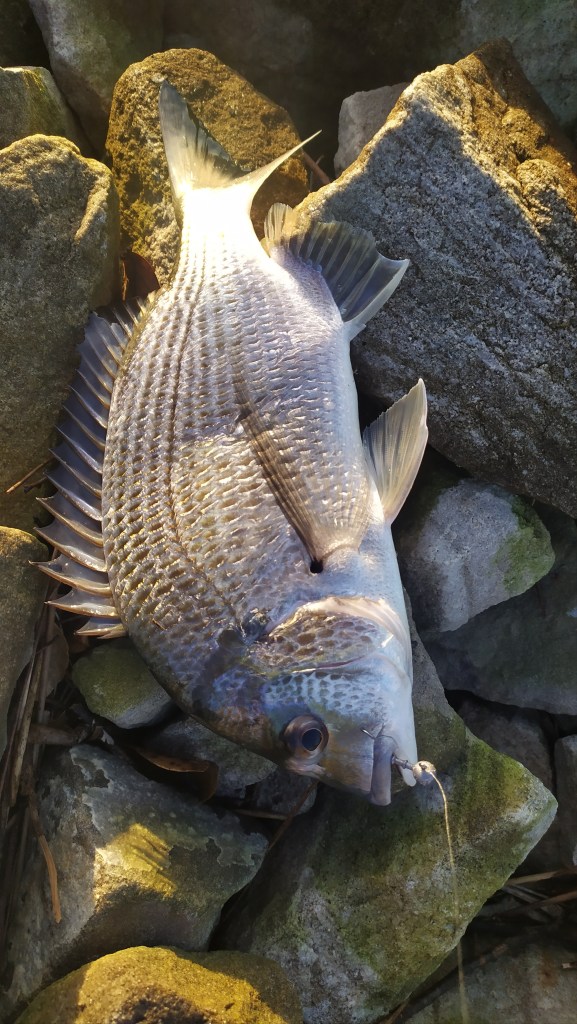
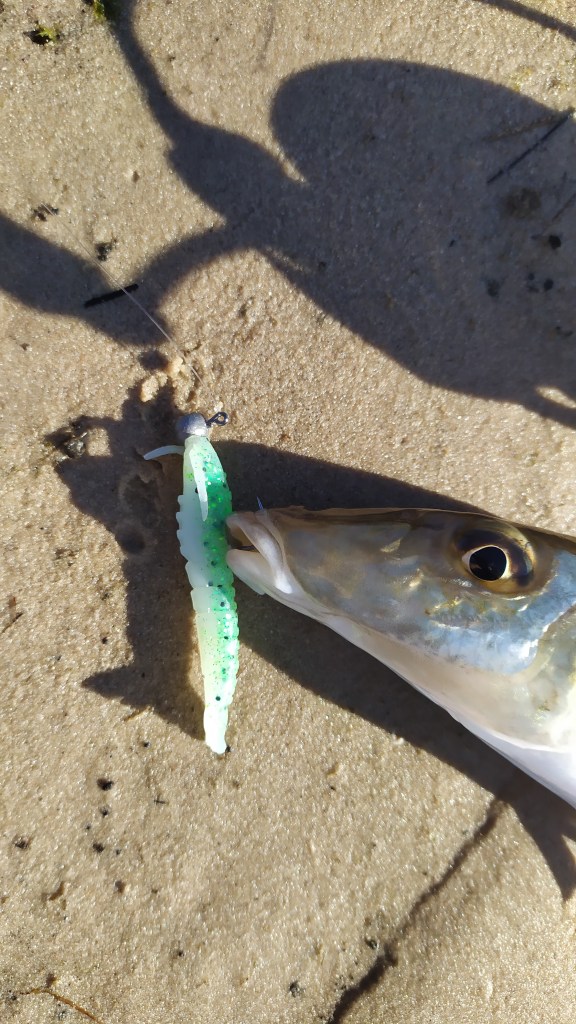
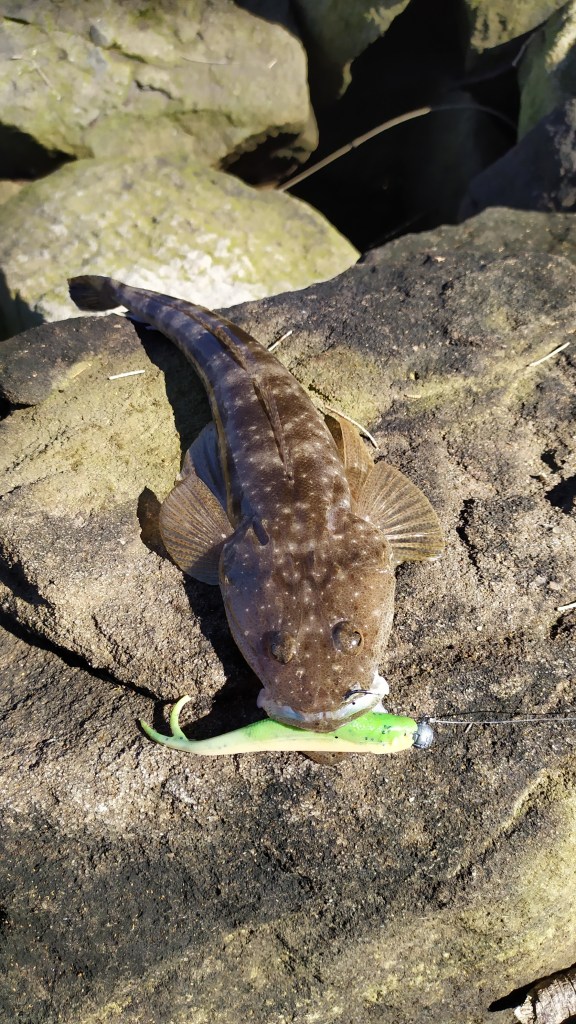
I caught a few smaller jewfish around the drop offs in the river. The trevally were also marauding around, particularly at dusk and dawn. As ever, I also caught flathead and bream too.

November had been another great fishing month on the Clarence River at Iluka.

Iluka – Jerusalem Creek mouth, the Bundjalung Headlands and the Clarence River – October 2024

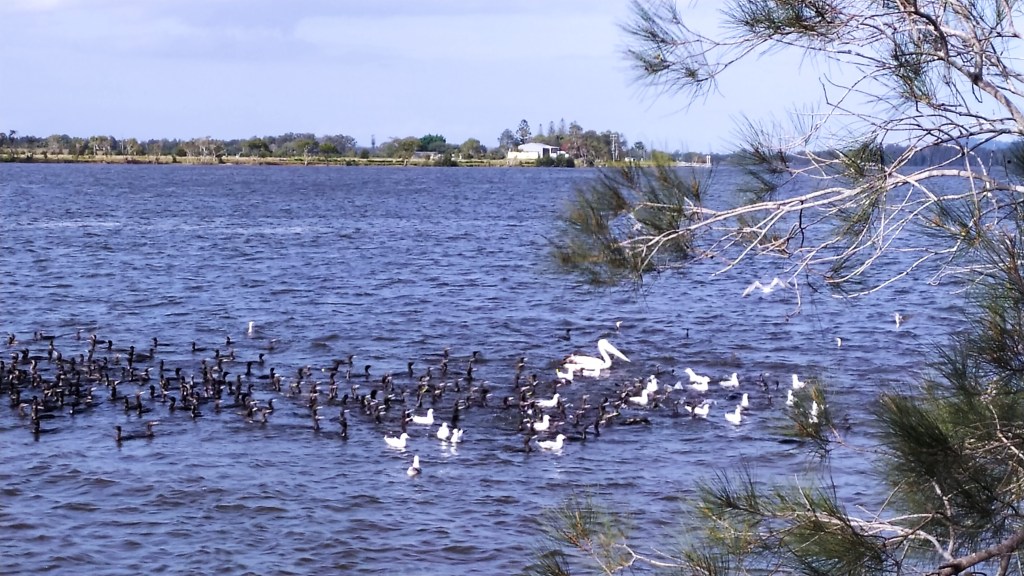
The weather in the Clarence Valley was great in October. Temperature and rainfall sat almost exactly on the 100 year average. Spring had definitely sprung. The river was clear and I caught flathead, bream, flounder, jewfish and a few trevally and small tailor. The bream were voracious, hitting all types of bait and lures. The flathead were harder to find and seemed to have followed the bait down into the deeper holes and channels. The big flock of black cormorants scoured the river every morning looking for the small bait or prawns.

When the swell was up I decided to go and explore some other fishing spots. I drove further to the north in the Bundjalung National Park and hiked out to the mouth of Jerusalem Creek. This is a shallow tidal creek system that runs out into the ocean a few kilometers north of the National Park run Black Rocks camping area. There is a well marked track that you can walk down to reach it. The track runs along the creek for almost it’s entire length and there are plenty of spots where you can walk along casting.

I fished with my ultra light spin combo which is currently a Daiwa Presso 22 562 ULRS trout rod matched with a Daiwa TD Sol LT III 2500 reel. I was using PE0.8 braided line down to a 10 lb fluorocarbon leader and 1/8th ounce, size 1/0 hook jighead. I love the super fast action of these trout rods have. You can feel every touch, bite, stone or even bump in the sand on the bottom.

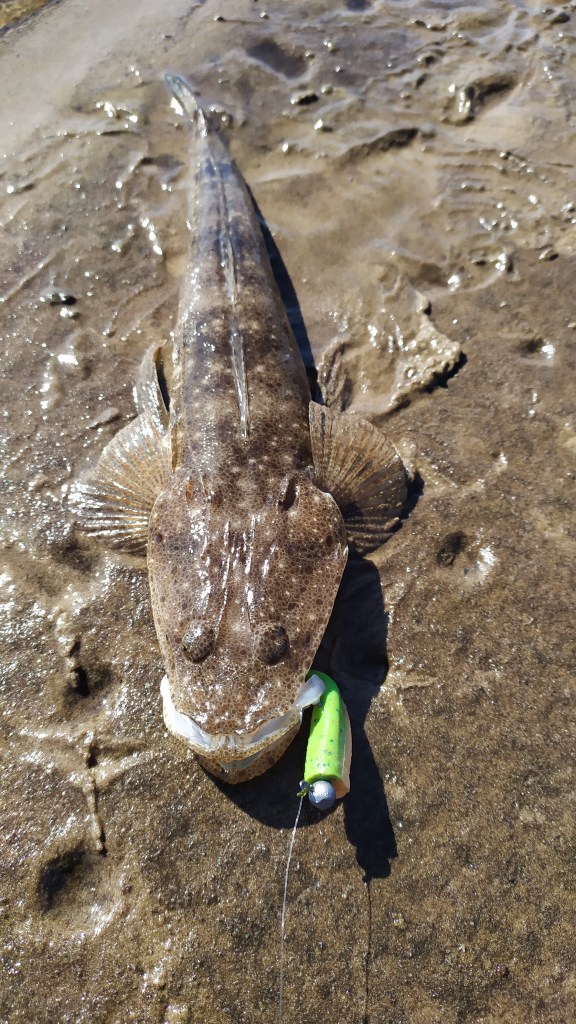
Jerusalem Creek starts off narrow and gradually gets wider and shallower as it winds it’s way out to the ocean. I found a few fish in the wide expanses, on the edge of the channels. I couldn’t find any keepers but I saw plenty of good sized flathead lies, especially at the mouth of the creek. I also caught a few whiting in the shallows.

Fishing out on the rocky headlands of the Bundjalung National Park was excellent. The tailor were consistently turning up at Iluka Bluff, Woody Head and Fraser’s Reef at dawn and dusk. They were particularly active around the full moon. On one morning I was surprised to see my lure attacked by an Australian Salmon.

There were plenty of junior jewfish schooling up in the caves and sheltered corners. Even the occasional group of long tail tuna were still swimming by. In October the vast majority of the 50 or so jewfish that I caught were between 50 cm and 60 cm long. The biggest was just over 80 cm and I caught a total of five jewfish that were over 70 cm long.

Another great month of fishing in the Clarence Valley.

Iluka – The Clarence River and the Bundjalung Headlands – August 2024

I was away for most of July and some of August. This meant I missed the coldest time of the year which is traditionally very good for flathead and bream in the Clarence River. Unlike 2023, the bream were on the bite with local anglers catching plenty in the river and off the headlands. I got a few while fishing big soft plastics for jewfish.

I eased back into fishing with a couple of sessions on the Iluka rock wall. This is a great place to try when there is a moderate swell on the rocky headlands. Just behind the wave break on the ocean side, I caugh plenty of tailor, school jewfish and a surprise Australian salmon. The challenge here is not so much hooking the fish, but landing them. There are a few spots where you can get quite close to the water but everything is slippery. If you hook something big you need a gaff. Be careful, remember rock fishing can be deadly.

As the month progressed and the swell eased, I fished a few tide change sessions at Iluka Bluff and caught plenty of tailor and the odd school jewfish there, as well.

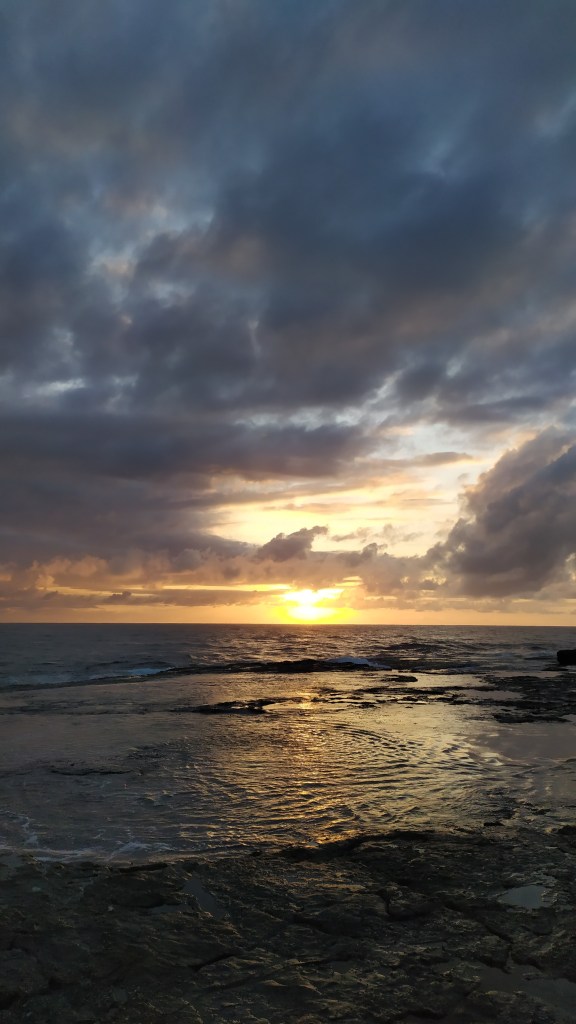
Towards the end of the month, I had a dawn session with a waning crescent moon (20% full) in light north westerly wind and very light swell at Woody Head. I caught fish from the first cast, before first light, but they were all 45 cm to 55 cm small jewfish. I worked through a few different soft plastics but kept only getting the juniors. In the end it was the Gulp 4 inch minnow soft plastic in the lime tiger colour that caught a keeper. It had destroyed the lure so I put on a fresh Gulp squid vicious soft plastic in the nuclear chicken colour and cast it out. A fish smashed it as soon as it hit the bottom and tried to take me under the ledge. I wrangled it out and had another keeper, this time a bit bigger. Fortunately the first fish was still alive in the recovery pool. As the second fish was bleeding from the gills, I released the recovered fish and dispatched the bleeding one.

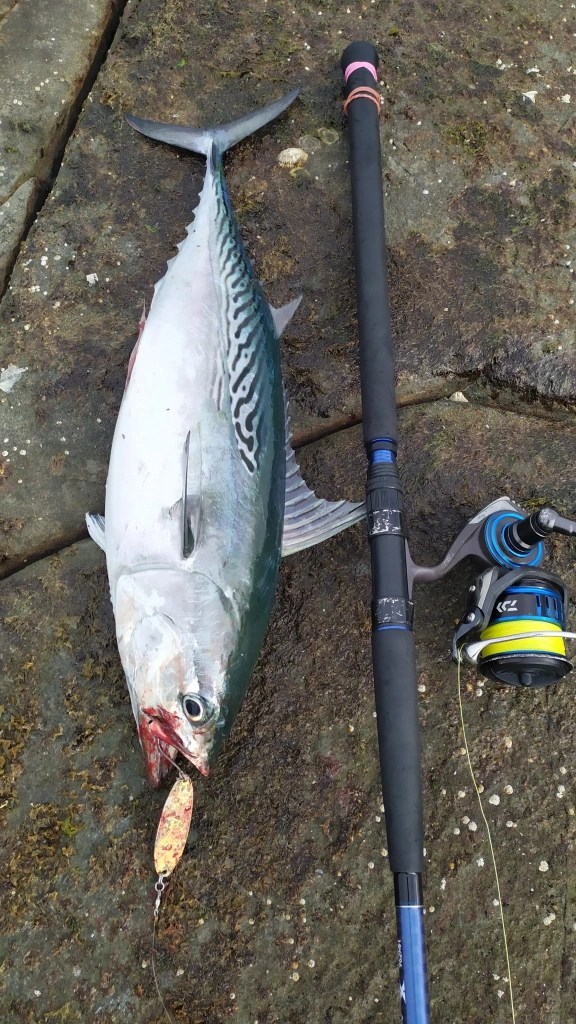
It was now well past dawn and just after low tide. I thought I saw a few bait sprays about 40 metres offshore. I swapped to a 5 inch Gulp jerkshad in the orange tiger colour, rigged on 40 lb fluorocarbon leader and a 10 gram jighead and cast out in that direction. The lure fluttered down and I lifted it off the bottom a couple of times, then line started peeling. The fish ran hard, out to sea. I could tell from the tail beats it was a tuna of some kind. After a couple of good runs and a few arcs back and forth in front of me, I landed it. It was a small mac tuna. I killed the fish and bled it and left it in a rock pool, planning on using it for sashimi.

I then swapped back to soft plastics to try for another jewfish. I found a few more little ones. Then I noticed the tuna jumping around again. I tied on a 50 gram no name metal slug and cast it out as far as I could and wound like hell. After about 5 seconds a fished smashed the lure. It was a bigger mac tuna this time and was considerably harder to subdue. I took my time and managed to turn it way from hazardous rocks a couple of times and then landed it.

It was bleeding from the mouth so I quickly unhooked it and speared it back into the water. It looked like it swam away ok. I put my gear down and walked about 25 metres to the rockpool where I had left the first tuna. As I approached I saw the eagle tucking in. The fish was too heavy to fly off with so it had decided to tuck in, in situ. It had helped itself to most of of the fishes belly for breakfast whilst I was catching the bigger one.

Some great fishing but as always, I got a reminder that everyone likes a meal at my expense!

Iluka -The Clarence River and the Bundjalung Headlands – July 2023

July brought more cool mornings but quite consistent south westerly and south easterly winds. These usually turned northerly in the afternoons. The month started off with sea temperatures a degree or so cooler than usual at around 18.0 C.  We had a few quite misty starts. We started the month with a full moon and a pretty wet week.

The tuna were still visible, jumping around out beyond casting distance. The pro fisherman thought they were hanging around because there was a huge school of pilchards in the area. I have hooked a few but never stopped one.

When the swell and wind was light enough I had some great rock fishing sessions, particularly in the lead up to the full moon at the end of the month. I caught tailor and mulloway. The mulloway took soft plastics and the tailor ate anything I threw at them.

The small tailor were everywhere in the Clarence River and the trevally were marauding around. There were still plenty of flathead in close to the banks, feeding on tiny jelly prawns.

Bribie Island – White Patch & Bongaree – 10 September 2012

Monday

I promised to take a friend fishing and introduce him to soft plastics on Monday. Unfortunately the weather was far from perfect and we arrived at Bribie to find the wind blowing from the south-east at about 15 Knots.

I decided to start at White Patch, as it is sometimes just a little less exposed to the elements. I showed my mate the basic plastics rig and set him to work with a 3” Minnow in the Smelt colour. I started with the same.

Why is it always so bloody hard to catch a fish when you need to? I tried all the usual spots and swapped through a load of different soft plastics. I don’t think I managed to prove it was worth getting him up at 4.00 am by catching one small Pike in 3 hours.

The wind did drop off a little, so we moved down to Bongaree to fish around the Seaside Museum drain until low tide. This was a bit more exciting as after about 20 minutes there was a big swirl and splash in between us, as something slammed into the bait just in front of the drop off. This process was repeated every few minutes, as whatever it was moved up the edge, heading north. The angler a bit further north, thought it was a small group of Tuna – difficult to say, as I did not get a look.

Whilst it made interesting viewing I still had not caught anything and nor had my mate. I was about to give up when I felt the solid ‘thud’ of a Flathead. In the end he had grabbed the lure I had started the day with – the GULP 3” Minnow in the Smelt colour. It was a decent fish – approximately 50cm long and it was immediately donated to my patient, but cold, fishing guest.

Finally a fish

At about 10.30 am we gave up – I take my hat off to fishing guides everywhere – and will not be calling myself a ‘Gillie’ any time soon.

Fingal Head – Tailor, Bream, Dart, Dolphins – 5 September 2012

Wednesday

A duck on Monday, but I was having fun and close encounters with fish are better than no encounters with fish. So on Tuesday night I could not sleep and I was up at 3.30 am, Wednesday and back in the car, driving down to Fingal Head.

I arrived about 4.45 am, loaded up and walked out, onto the rocks to the usual fantastic view. The wind was a north westerly, as forecast. It was less than 10 knots when I arrived and stayed very light through the sunrise, as it often does. The horizon was bright orange by 5.10 am and there was plenty of light to rig up in. I had my usual heavy spinning rig; 9’6” Daiwa Demonblood rod, Shimano Stradic 8000 FJ reel, 30lb braid and 30lb fluorocarbon leader. The tide had just turned and was running in. It would be high just after 11.00 am.

There was to be no messing about with the poppers this morning – we needed a fish for dinner. I decided to stick with what had been working – the DUO Beachwalker MD 120 hard bodied, shallow diving minnow. I have lost a few of these recently and only have two more in the box, so I tied it on very carefully.

I moved round to the eastern edge of the platform and cast out towards the south east. The water was foamy but clear. The sun was not yet over the horizon. I put in about 30 casts with no result. I moved around the platform, casting in every direction. Finally, just as the sun was breaking the horizon, I was back where I started. I threw out another long cast. I retrieved it slowly, with 5 second pauses between jerks of the rod. About 3 metres out, I felt the solid tug of a fish and then line was peeling. After a few runs the fish jumped and I could see it was a Tailor, I brought it to the foot of the eastern side of the rocks and grabbed the leader. I had changed all my split rings for tougher models and there was no problem lifting the fish up the rocks. It was a fat 48cm Tailor – dinner was secure.

I carried on with the same lure for another hour with no luck. The dolphins arrived in a pod of 10 and did a bit of surfing but then just sat about 40 metres off the rocks – ready to intercept any unlucky fish that passed by. I saw another small school of Tailor swim by – perhaps 10 or 12 fish, but I was re rigging at the time so did not get near them. I tried slugs and big and small soft plastics but I could not get any more interest.

I decided to move a little further to the south side of the Fingal headland. The sun was now high in the sky and it was just after 9.00 am. The wind was now blowing about 20 knots from the north but this side of the headland was fairly sheltered. I swapped over to my Shimano Catana Coastline Light 3.2m 3-5kg rod to which I attach a Stradic 3000 reel. This is a great rod for casting lighter lures – particularly from the beach. The water was crystal clear and the swell was crashing against the barnacle covered rocks. With each surge I could see plenty of bait, close in to the rocky edge.

I decided to try one of my smaller DUO lures; the Spearhead Ryuki 45S. This is another perfectly crafted small sinking lure for bream, bass, trout, etc. It is ideally suited to Australian estuary fishing. It has quite a thick, solid shape and a very tight action. It weighs just 4.0g and is 45 mm long. Like all the DUO lures it casts very well. It is just about robust enough to throw around with the lighter Shimano Catana rod.

I cast it out parallel with the shoreline, counted to ten, to let it sink. The water was clear enough to see a steady procession of bait fish following behind it, on each retrieve. After about five minutes the line pulled tight and there was lunge. I had caught a small Bream – and yet another DUO lure had scored for Landangler. I caught two more using a similar technique but they were all around 25cm, so I let them go. I made a mental note to try the Spearhead Ryuki 45 out on the Flathead and moved further along the rocks.

There was a big group of birds working about 800 metres off shore – they were very slowly moving towards me but they never got close enough to cast at. The Dolphins took up residence between me and the birds, just to make sure I had no chance.

I swapped to a small GULP soft plastic 3” Minnow and threw it around in the wash, on a 1/8th 1/0 jighead. I lost the tail after a few casts and put on another. A fish grabbed the new plastic almost as soon as it hit the water and took off. It was not big but it was fast. After a few pulls it settled down and I pulled a 35cm Dart out of the water.

By 11.00 am it was time to get the Tailor on ice, so I packed up. It had been an interesting morning and once more the DUO range had delivered. Northerly winds rarely leave me with a great fishing experience but this morning had been ok. It would appear that the real bite is only between about 5.00 am and 7.00 am, at the moment – so if you want to catch them, get used to no sleep!!